Battery Chargers
Battery charger vs maintainer
Modern units do both, which is why the distinction confuses people. The amp rating tells you what the unit is actually built for.
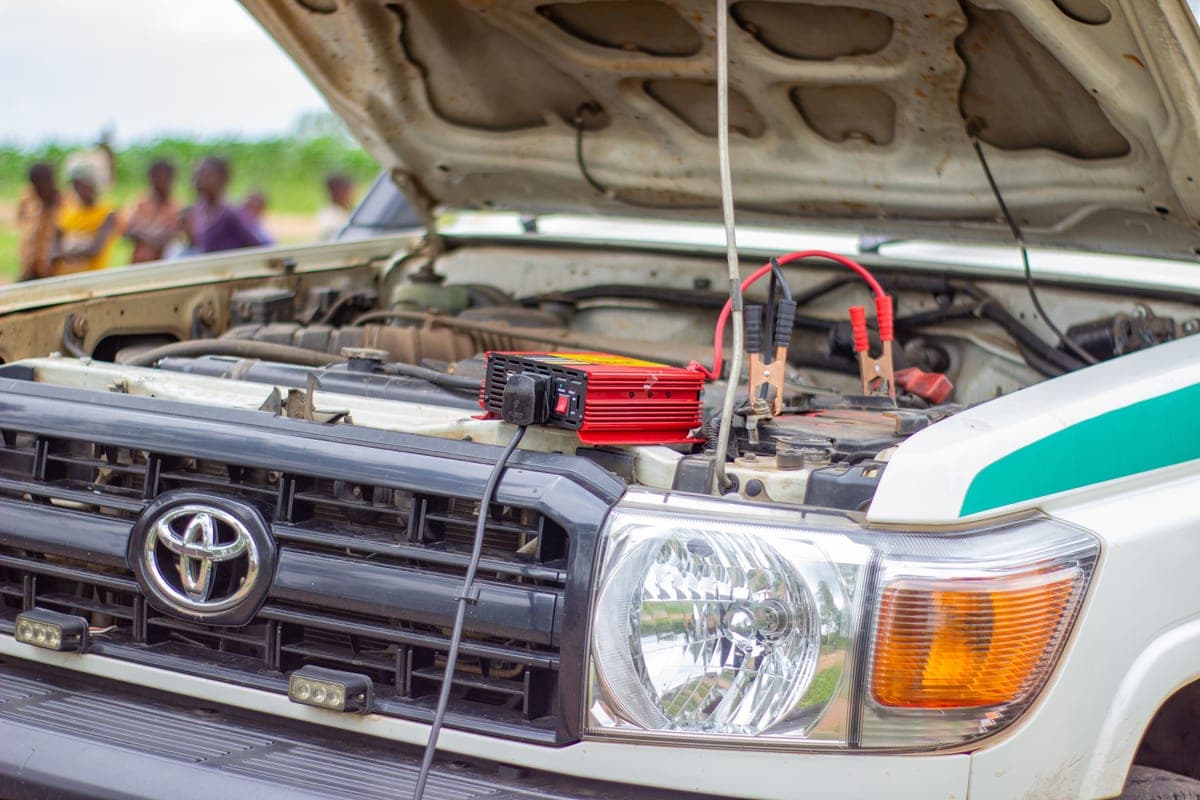
Disclosure: we earn a commission if you buy through the Amazon links on this page, at no extra cost to you. Commission never decides a verdict or a ranking position — read our editorial policy and affiliate disclosure.
How we assessed these: figures here are either published manufacturer specifications, cited inline, or arithmetic shown in full so you can check it. Nothing is asserted from memory.
Short answer
A charger puts meaningful current into a battery to refill it — 5 to 10 amps or more. A maintainer supplies a very small current indefinitely to hold a full battery against parasitic drain. Modern units do both; the amp rating tells you which job the unit is really sized for.
| Charger | Maintainer | |
|---|---|---|
| Typical current | 5-10 A, sometimes far more | 1-2 A |
| Primary job | Refill a discharged battery | Hold a full battery at full |
| Time to recover a flat car battery | Hours | Days |
| Safe to leave connected for months | Yes, if multi-stage | Yes — that is the design |
| Right for a car in daily use | Yes, when it goes flat | Only as prevention |
| Right for a car in storage | Overkill, but harmless | Yes |
| Right for a motorcycle battery | No — too much current | Yes |
| Example | NOCO GENIUS5 (5 A, 120 Ah) | Battery Tender Plus (1.25 A, 80 Ah) |
Why the amp rating is the giveaway
Both product types now use the same multi-stage logic: bulk charge at full current, taper as the battery fills, then hold at a float voltage. That shared behavior is why the marketing blurs together. What does not blur is the current, and current is what determines how long recovery takes.
So: a 1.25 A Battery Tender Plus is a maintainer that can eventually charge. A 10 A GENIUS10 is a charger that can also maintain. A 5 A GENIUS5 sits at the point where it does both usefully, which is why it is the default recommendation for one car.
The mistake in each direction
Buying a maintainer to solve an emergency. The car is dead in the driveway this morning; a 1.25 A tender will not have it running before lunch. That is a 5 A job, or a jump pack.
Buying a big charger for a small battery. 10 A into a 12 Ah motorcycle battery is roughly the whole battery per hour and more current than it is designed to take. A 2 A unit is correct there.
What about "trickle charger"?
The term is used two ways and only one is safe. A modern low-current maintainer with a float stage — what people usually mean — can stay connected indefinitely. A genuinely old unregulated trickle charger pushes a fixed current regardless of state of charge, and over weeks it will boil off electrolyte and damage the battery. If your unit has no indicator lights and no stated float mode, treat it as the second kind. How long can you leave a maintainer on has the detail.
Which to buy
- One car in daily use — a 5 A charger. It recovers a flat battery overnight and maintains it after, so one unit is enough.
- A second car, bike or boat that sits — a 1-2 A maintainer, left connected through the off-season.
- Several vehicles, or a deep-cycle bank — a 10 A charger, rotated between them, plus maintainers on whatever sits longest.
- A flat battery you need back today — a high-current charger with engine-start assist, or a jump pack to get moving and a 5 A charger overnight.
The picks
1. Best charger that also maintains
NOCO GENIUS5
NOCO · Best for one car, charging and maintaining
The single most useful charger for one vehicle: 5 amps, 6 V and 12 V, batteries up to 120 Ah, and it can be left connected indefinitely.
Published specifications
What works
- 5 A recharges a car battery overnight and then holds it — one unit does both jobs
- Rated down to -4 °F, so it works in an unheated garage
- The 77-inch cable reaches from a wall outlet to most engine bays without an extension
- 3-year warranty, against 1 year on the jump-starter line
What does not
- 5 A is slow for a deeply discharged large battery — a 100 Ah battery is an all-nighter
- The 120 Ah ceiling rules out larger deep-cycle banks
Skip it if
Not enough charger if you are reviving deep-cycle RV or marine batteries. Step up to the GENIUS10 and its 230 Ah range.
#ad Affiliate link · We show no price here; Amazon shows the current one
Raw specifications: NOCO’s own page for the NOCO GENIUS5.

2. Best maintainer
Battery Tender Plus 12V 1.25A
Battery Tender · Best for long-term storage on a car battery
The storage-maintainer benchmark: 1.25 amps, automotive batteries up to 80 Ah, a four-step program and a 10-year warranty behind it.
Published specifications
What works
- A 10-year warranty is the longest in this category by a wide margin
- 1.25 A is low enough to leave connected through a winter without heat build-up
- Covers flooded, AGM and gel without a chemistry switch to get wrong
What does not
- 1.25 A is a maintainer current — it will not revive a deeply flat battery quickly
- The 80 Ah ceiling rules out large truck and deep-cycle batteries
- No 6 V mode on the standard Plus; that is a different model in the line
Skip it if
Not the unit for recovering a flat battery on a deadline. Buy it for the car that sits, not the car that stranded you this morning.
#ad Affiliate link · We show no price here; Amazon shows the current one
Raw specifications: Battery Tender’s own page for the Battery Tender Plus 12V 1.25A.

3. Best charger for big batteries
NOCO GENIUS10
NOCO · Best for several vehicles or a deep-cycle bank
Twice the current of the GENIUS5 and nearly twice the capacity range — 10 amps up to 230 Ah, which is where RV, marine and multi-vehicle households land.
Published specifications
What works
- 10 A halves the charge time on a flat car battery against a 5 A unit
- The 230 Ah range covers deep-cycle RV and marine batteries the GENIUS5 cannot
- Same -4 °F cold rating and 3-year warranty as the smaller GENIUS units
What does not
- 10 A into a small motorcycle battery is more current than it wants — use a 1 A or 2 A unit there
- Heavier and pricier than a GENIUS5 for a household with one car
Skip it if
Not the right charger for a single motorcycle, ATV or lawn-tractor battery. Small batteries want small current.
#ad Affiliate link · We show no price here; Amazon shows the current one
Raw specifications: NOCO’s own page for the NOCO GENIUS10.
Key takeaways
- Current is the difference: 1-2 A is a maintainer, 5-10 A is a charger.
- Modern units share the same multi-stage logic, which is why the terms blur.
- A maintainer will not rescue you this morning.
- A car-sized charger will cook a motorcycle battery.
- "Trickle charger" means two different things — only the regulated kind is safe to leave on.
How we sourced this
Every figure on this page came from one of the following. Where a manufacturer or regulator does not publish a number, we say so rather than estimate it.
Common questions
- What is the difference between a battery charger and a maintainer?
- A charger supplies enough current to refill a discharged battery, typically 5 to 10 amps. A maintainer supplies 1-2 amps indefinitely to hold an already-full battery against parasitic drain. Modern units do both, and the amp rating tells you which job the unit is sized for.
- Can a battery maintainer charge a dead battery?
- Eventually, but not usefully. At 1.25 amps, a significantly discharged car battery takes days, and some maintainers will not engage below a minimum voltage at all. Recover with a 5-amp charger and maintain afterwards.
- Do I need both a charger and a maintainer?
- Usually not. A 5-amp multi-stage charger does both jobs for a single car. You would want both if you have one car in daily use and another vehicle that sits for months, so the maintainer can stay connected while the charger stays available.
- Is a trickle charger safe to leave on?
- A modern regulated maintainer with a float stage, yes — that is what it is for. An old unregulated trickle charger with no float mode, no: it keeps pushing current regardless and will boil off electrolyte over weeks.
More in Battery Chargers
A jump pack gets you moving. A charger is how you stop needing one. This is the home half of the problem.
Read next
Best Battery Maintainers
Best Maintainers
Low-current maintainers for seasonal and stored vehicles, including the solar option for anything parked away from an outlet.
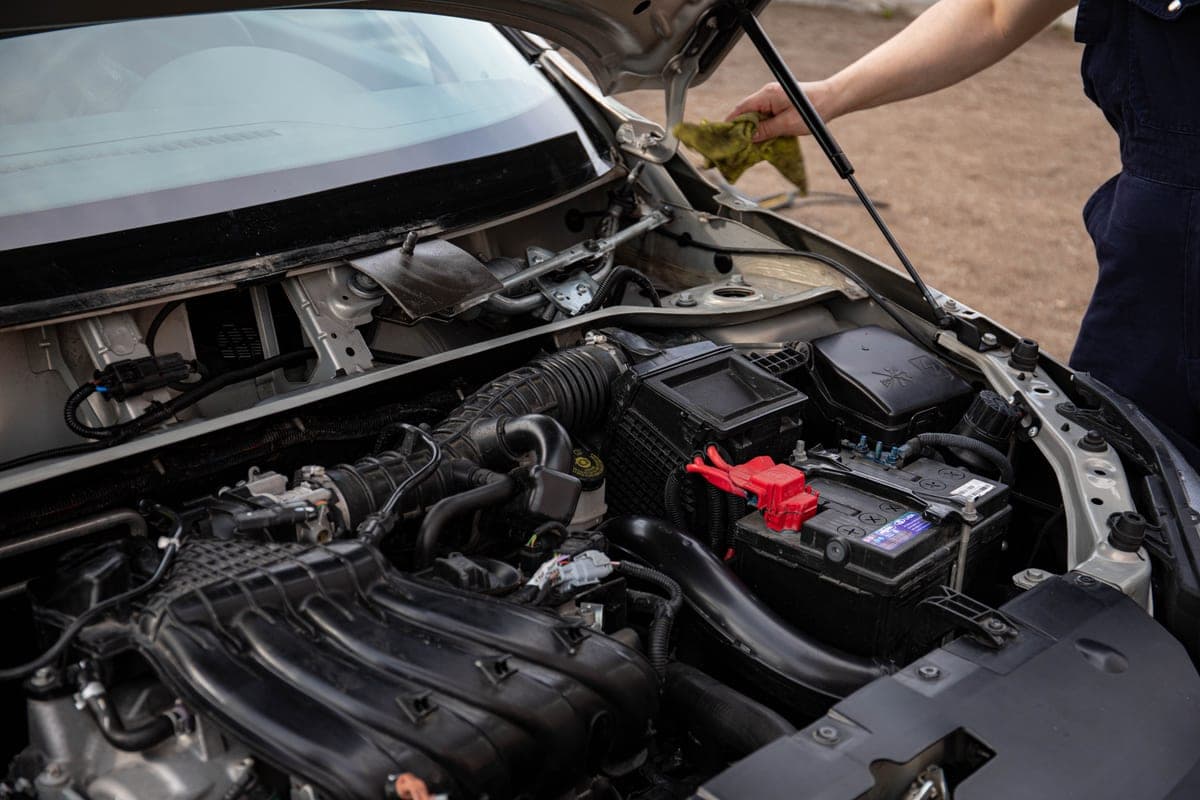
Guide
What Amp Do I Need?
Charge current sizing by battery capacity, with the 10% guideline shown in full and manufacturer capacity ranges to verify against.
Guide
How Long Can You Leave It On?
Why modern maintainers are designed for permanent connection, what to check occasionally anyway, and the one kind of unit to never leave unattended.
Best Car Battery Chargers
Best Car Battery Chargers
Our main charger roundup: 1 A to 10 A units matched to battery capacity, with published cold ratings and warranties.
Found something out of date, or a figure you can source better than we did? Tell us — corrections get read first. Our methodology explains how picks are made, and contact is one click away.