Skip to content
Clamp & Crank

Clamp & Crank

Portable tire inflators

The cheapest tool that prevents the second-most-common roadside stop. Here is which type fits your tires, and the two specs that actually matter.

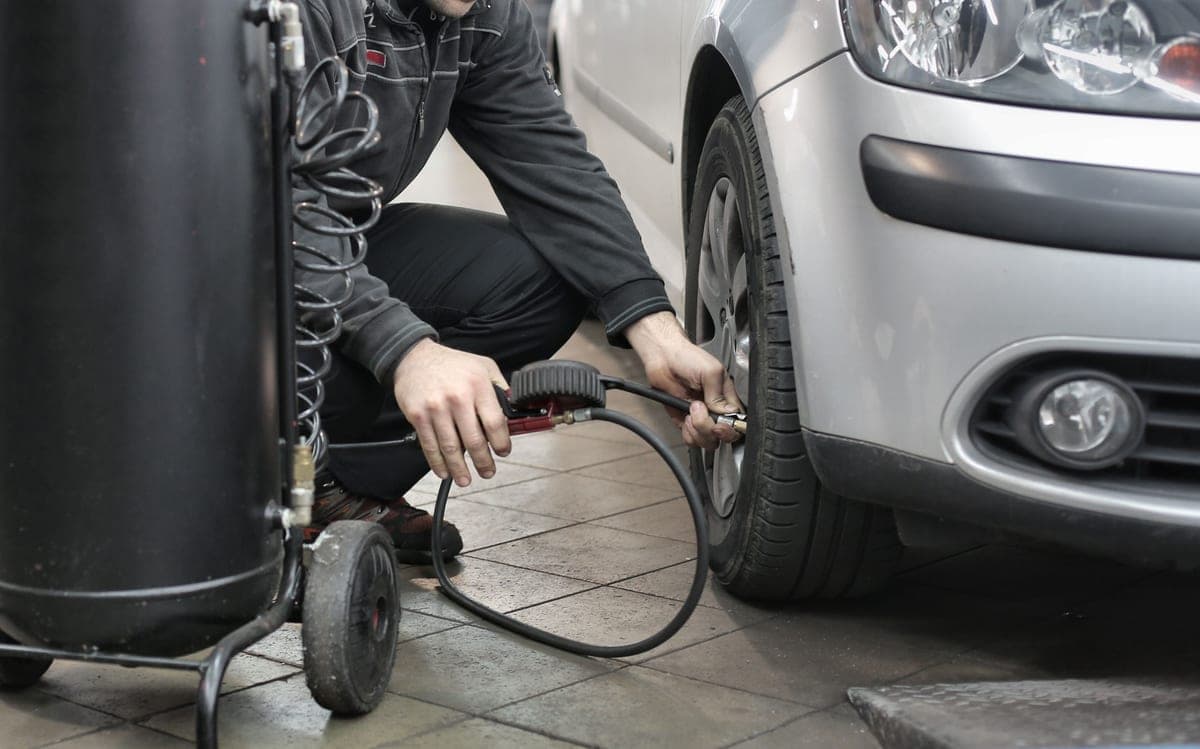
A person crouched at a car wheel inflating a tire

Most tires do not go flat. They go low — a couple of PSI a month through the valve and the rubber, plus roughly a pound for every 10 °F the temperature drops. That slow loss is what wears tires unevenly, costs fuel, and eventually turns into a sidewall failure on a highway. A portable inflator exists to fix that in three minutes in your own driveway, and to buy you enough air to reach a shop when something punctures.

It is a less glamorous purchase than a jump starter and it gets used ten times as often.

The three types, and who each is for

  • 12 V socket inflators. Plug into the cigarette-lighter socket. Nothing to charge, so they are never flat when the tire is — that reliability is the whole argument. The cord is the limitation. Start here if you drive a car and want one tool that always works.
  • Cordless inflators. Self-contained battery, no cord to the car, small enough for a door pocket. The most convenient option, and the one most likely to be in the vehicle when you need it. You are trading a maintenance task (keeping it charged) for freedom of movement. See the cordless roundup.
  • Battery-clamp compressors. Connect to the battery terminals rather than the socket, so they are not capped by the socket fuse. Built for light-truck, SUV and off-road tires, where socket units stop to cool down. The truck and SUV roundup covers these.

If you already own a cordless tool platform, there is a fourth answer: a tool-battery inflator like the DEWALT DCC020IB, which runs off a 20V MAX pack, a 12 V socket or a wall outlet. That three-way flexibility is genuinely useful, because a dead tool battery does not strand you.

The two specs that decide everything

Duty cycle is how long the unit can run before it needs to cool. It is the single most predictive spec for whether an inflator will handle your tires, and it is the one least often published. A small motor filling a 35-inch truck tire from flat will get hot and shut down long before it gets to 60 PSI; the same unit tops a sedan tire up by 4 PSI without complaint. Duty cycle, explained covers what to do when the manufacturer does not publish a figure.

Gauge accuracy is the other one. An inflator that reads 3 PSI high is worse than no inflator, because it leaves you confidently underinflated. Accuracy varies unit to unit within the same model, so the practical habit is to verify against a separate stick or dial gauge once, learn your unit's offset, and account for it. We do not publish per-model deviation figures because we do not measure them — gauge accuracy explains what we can and cannot tell you there.

What decides price

Motor size and thermal design, mostly — that is what duty cycle is buying. After that: the chuck (a threaded chuck that screws onto the valve stem seals properly; a clamp-on chuck hisses), the hose (rubber over molded plastic), the gauge, and whether there is a preset auto-shutoff so you can set a target and walk away. Cordless units also charge you for the battery and the charge circuitry, which is why a cordless unit and a socket unit at the same price are not the same quality of compressor.

The mistake buyers make

Inflating to the number on the tire sidewall. That number is the tire's maximum cold pressure, not your vehicle's recommended pressure, and it is often 15-20 PSI higher. The correct figure is on the placard in the driver's door jamb, and it is the vehicle manufacturer's spec for the tire size the car shipped with. Getting this wrong makes the ride harsh, wears the center of the tread, and reduces the contact patch. What PSI should my tires be is the fix, and it is the most useful two minutes on this hub.

The second mistake is buying a pocket inflator for light-truck tires because the listing said "150 PSI max". Max pressure is a rating, not a throughput. The question is how much air the unit can move before it overheats, and on a 35-inch tire the honest answer for most small units is: not enough.

One more, worth naming because it comes up on the roadside: a puncture is not always an inflator problem. If the tire will not hold air at all, you need a plug, a sealant or a spare — and sealant and inflators interact in ways worth knowing before you are kneeling in gravel. Inflator vs sealant covers that.
Buying guides

Ranked picks with a comparison table, per-pick reasoning, and an honest note on who each one is wrong for.

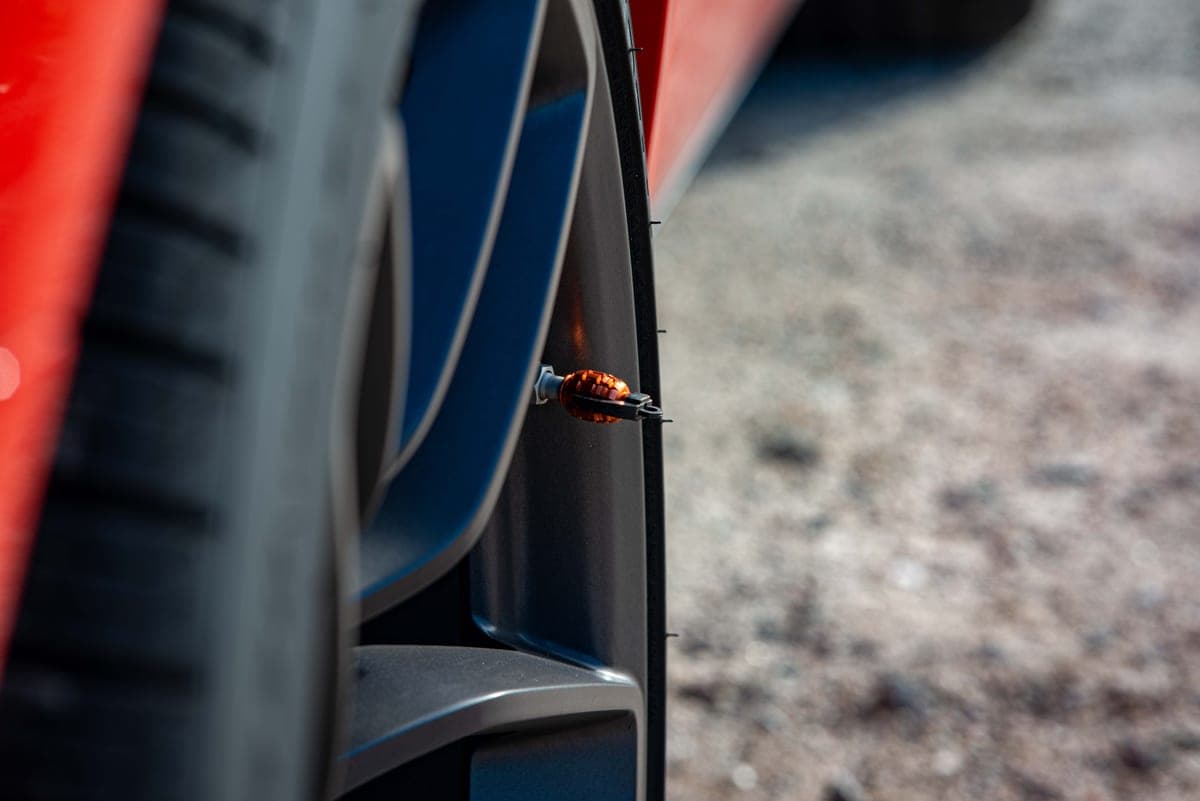
Close-up of a tire valve stem on an alloy wheel

Best Cordless Inflators

Best Cordless

Cordless picks for glovebox convenience, and a clear account of what the internal battery costs you in cold weather and on big tires.

Top pick: Fanttik X8 Apex

Check price on Amazon

#ad Affiliate link · We show no price here; Amazon shows the current one

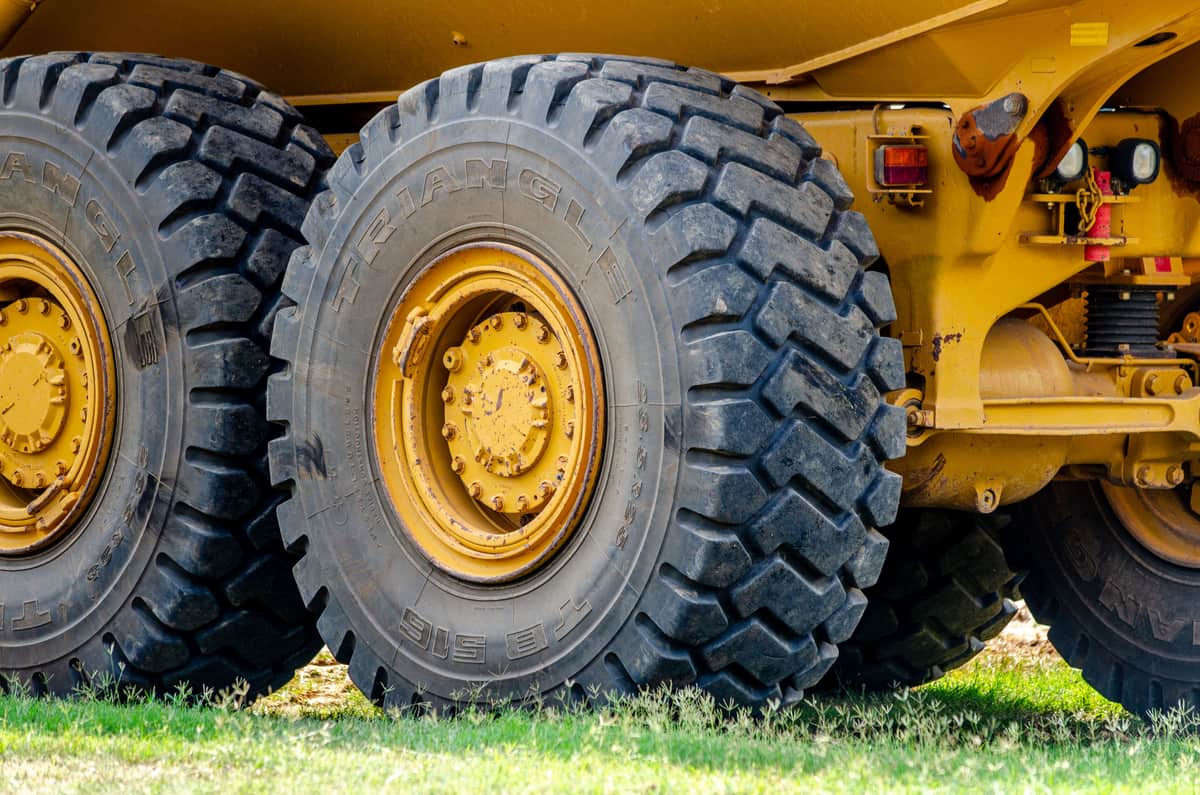
Close-up of large truck tires on a heavy vehicle

Best for Trucks & SUVs

For Trucks & SUVs

Battery-clamp compressors and heavy-duty units for light-truck and off-road tires, with the duty-cycle reasoning spelled out.

Top pick: VIAIR 88P Portable Compressor

Check price on Amazon

#ad Affiliate link · We show no price here; Amazon shows the current one

Model reviews

Single products, assessed against the manufacturer's own published specifications.

A person crouched at a car wheel inflating a tire

Review

DEWALT DCC020IB Review

Runs off a 20V MAX pack, a 12 V socket or a wall outlet, with a threaded chuck and auto-shutoff. Sold bare, which is the catch.

Read it

Head to head

Direct comparisons, including the ones where the honest answer is "neither".

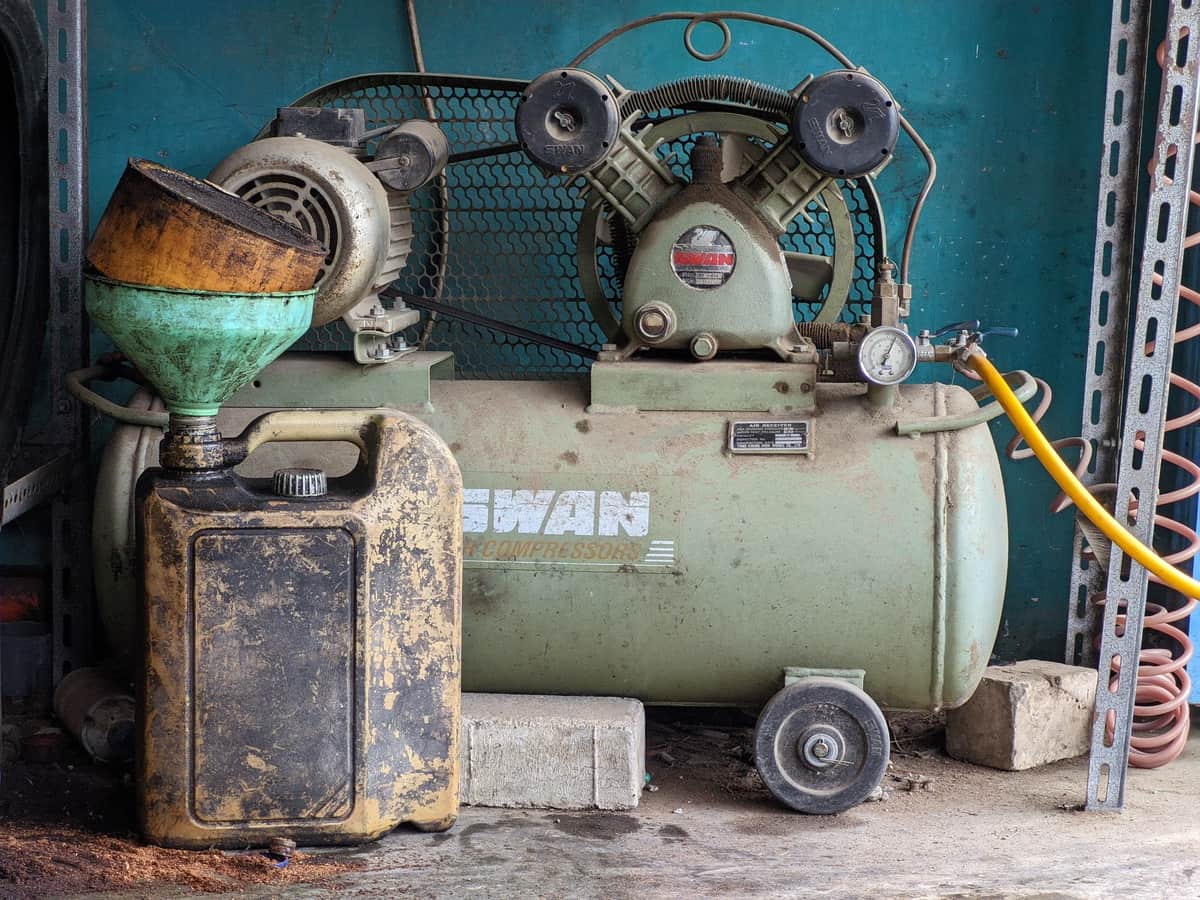
A compressor and oil can on a workshop bench

Head to head

Inflator vs Air Compressor

The tank is the dividing line: continuous small-volume work versus stored air for tools. Which one belongs in your trunk and which in your garage.

Read it

Close-up of a tire valve stem on an alloy wheel

Head to head

12V vs Cordless

Socket power versus an internal battery, compared on reliability, convenience, cold-weather output and what happens when the car battery is also dead.

Read it

A car with a flat tire at the roadside

Head to head

Inflator vs Sealant

When air is enough, when you need sealant, what sealant does to a TPMS sensor and a future repair, and why most drivers should carry both.

Read it

Guides and how-tos

Sizing, specs, procedures and troubleshooting — the decision content behind the picks.

A compressor and oil can on a workshop bench

Guide

Duty Cycle Explained

What duty cycle means, why it decides whether an inflator can handle large tires, and what to infer when the manufacturer stays silent.

Read it

A pressure gauge being used to check a tire

Guide

Gauge Accuracy

Why built-in gauges drift, how to check yours against a reference, and why we will not publish per-model deviation numbers we have not measured.

Read it

A person crouched at a car wheel inflating a tire

How to

How to Use One

The full sequence, including the chuck technique that stops air escaping and what to do if the tire drops straight back down.

Read it

Common questions

What PSI should my tires be?
Use the figure on the placard in the driver's door jamb, not the number molded into the tire sidewall. The sidewall number is the tire's maximum cold pressure; the placard is your vehicle manufacturer's recommendation for the tire size it shipped with, and it is usually 15-20 PSI lower. Check when the tires are cold, because driving heats them and raises the reading.
How long does a portable tire inflator take?
Topping a car tire up by 4-5 PSI takes roughly a minute on most units. Filling a fully flat car tire takes several minutes, and a light-truck tire can take long enough that a small inflator will need cooling breaks. The variable is the compressor's air throughput, not its advertised maximum pressure.
What is tire inflator duty cycle?
Duty cycle is how long an inflator can run continuously before it has to stop and cool down, usually expressed as a percentage of a period — 50% at 10 minutes means five minutes on, five off. It is the spec that predicts whether a unit can handle large tires, and it is the one manufacturers in the consumer tier most often leave unpublished.
Are portable tire inflator gauges accurate?
Accurate enough for routine top-ups, but not to be trusted blindly. Deviation varies unit to unit even within one model, so check your inflator once against a separate stick or dial gauge, note the offset, and work around it. If you want a trustworthy reading, a good standalone gauge costs very little and settles the question.