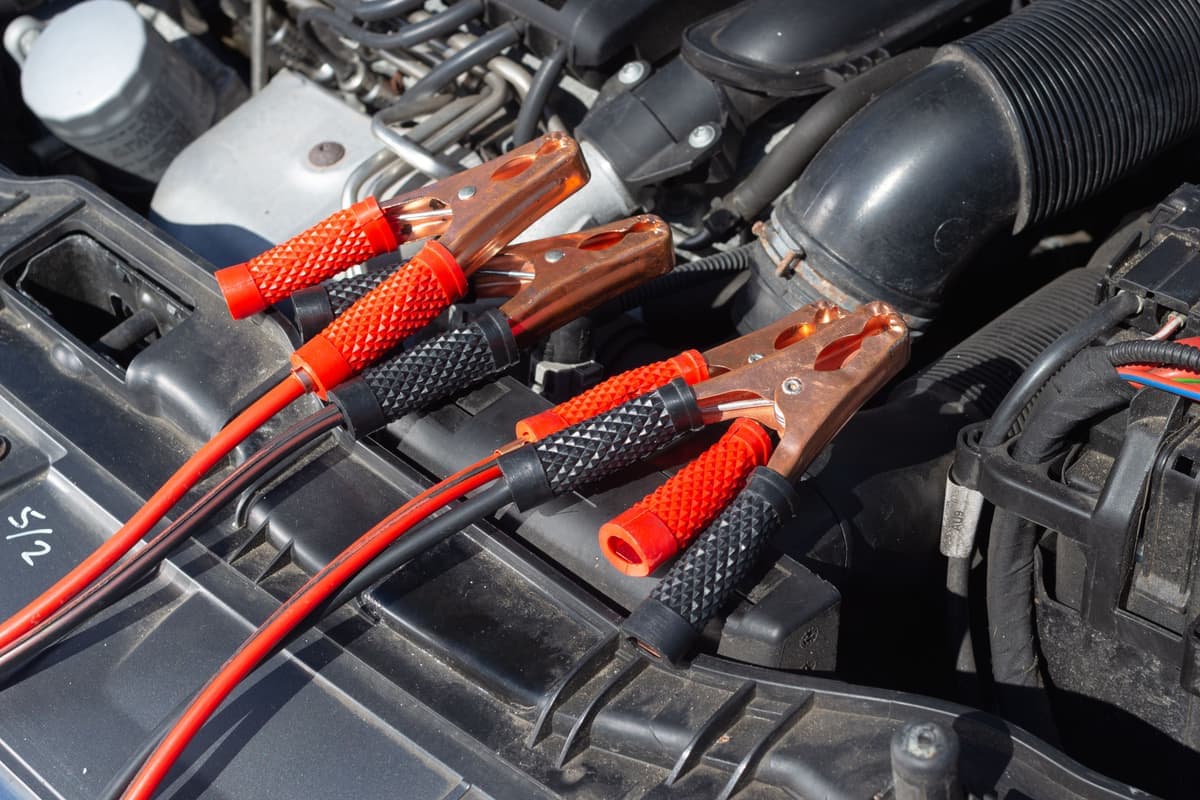
It won't start
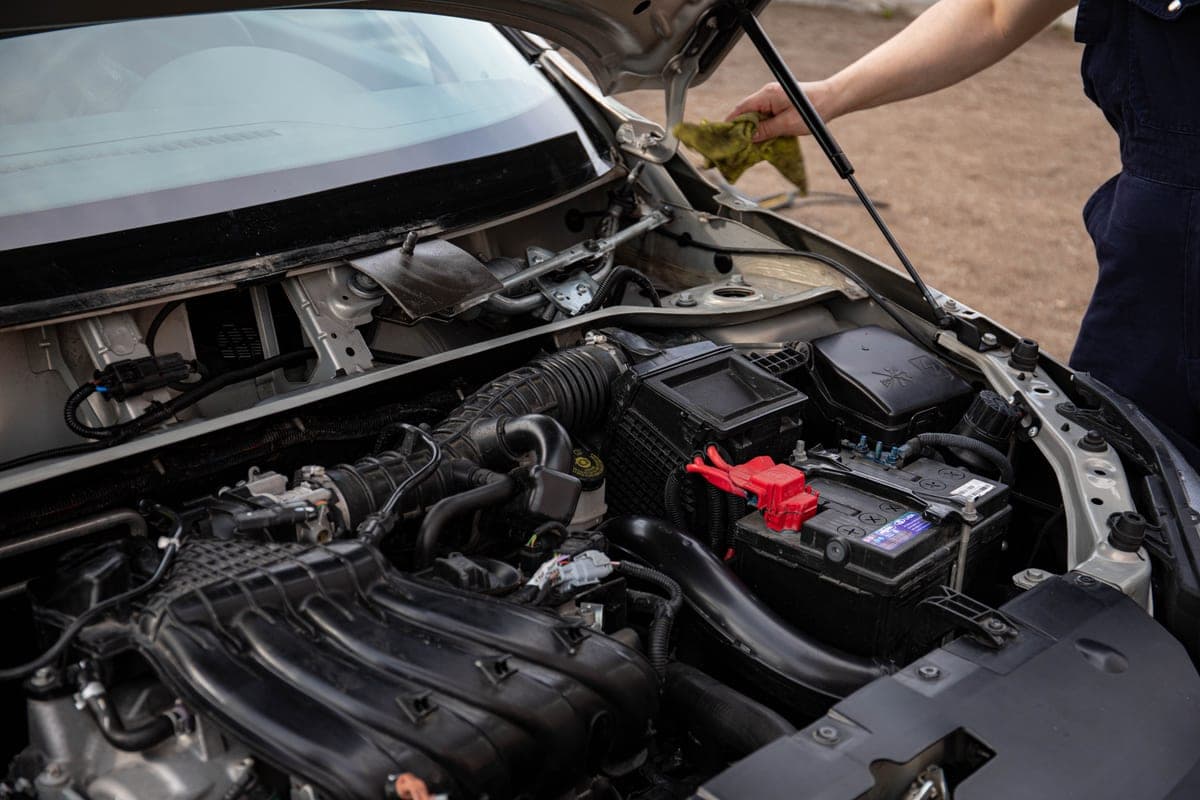
A battery that will not crank is the most common reason a car does not move. A jump pack fixes it in two minutes, with no second vehicle.
Jump starters · Tire inflators · Battery chargers
Trusted picks for portable jump starters, tire inflators and battery chargers — sized by engine, climate, and how far from home you will be. Every spec on this site is read off the manufacturer’s own page and linked.

Start here
Three failures account for nearly every car that will not move. Pick the one you have.
A battery that will not crank is the most common reason a car does not move. A jump pack fixes it in two minutes, with no second vehicle.

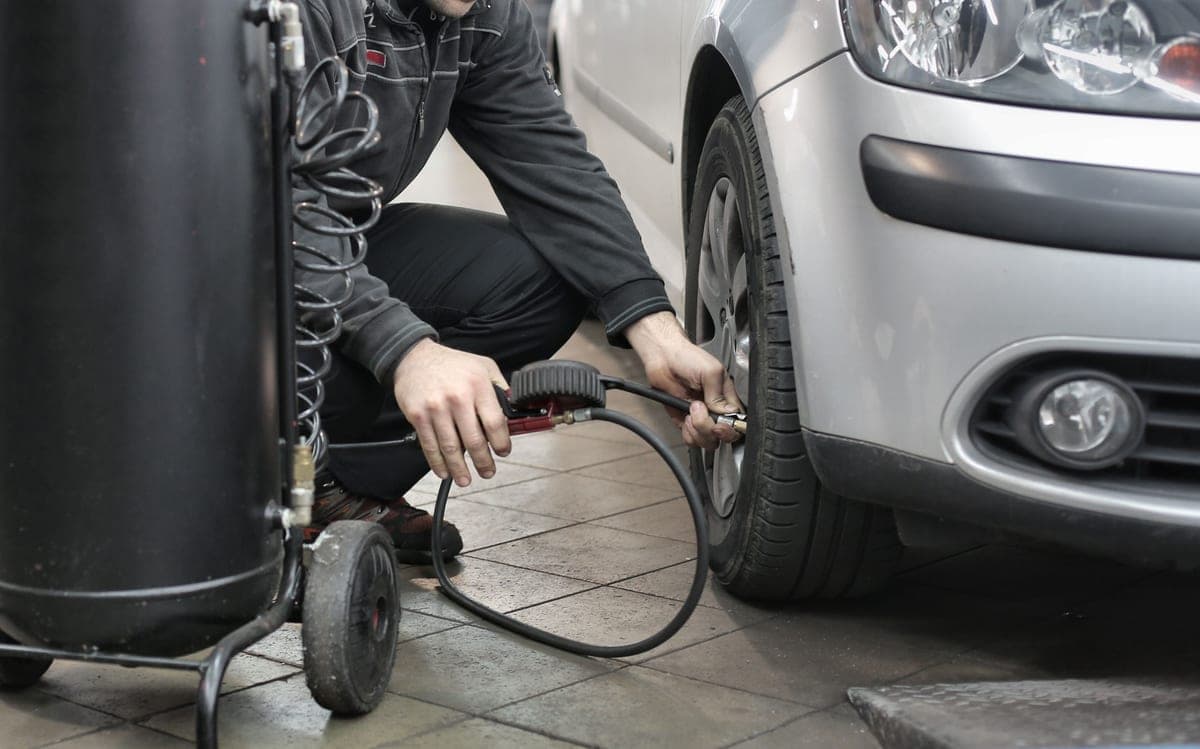
Tires lose a couple of PSI a month, plus a pound for every 10 °F the temperature drops. An inflator is the tool you use most often.
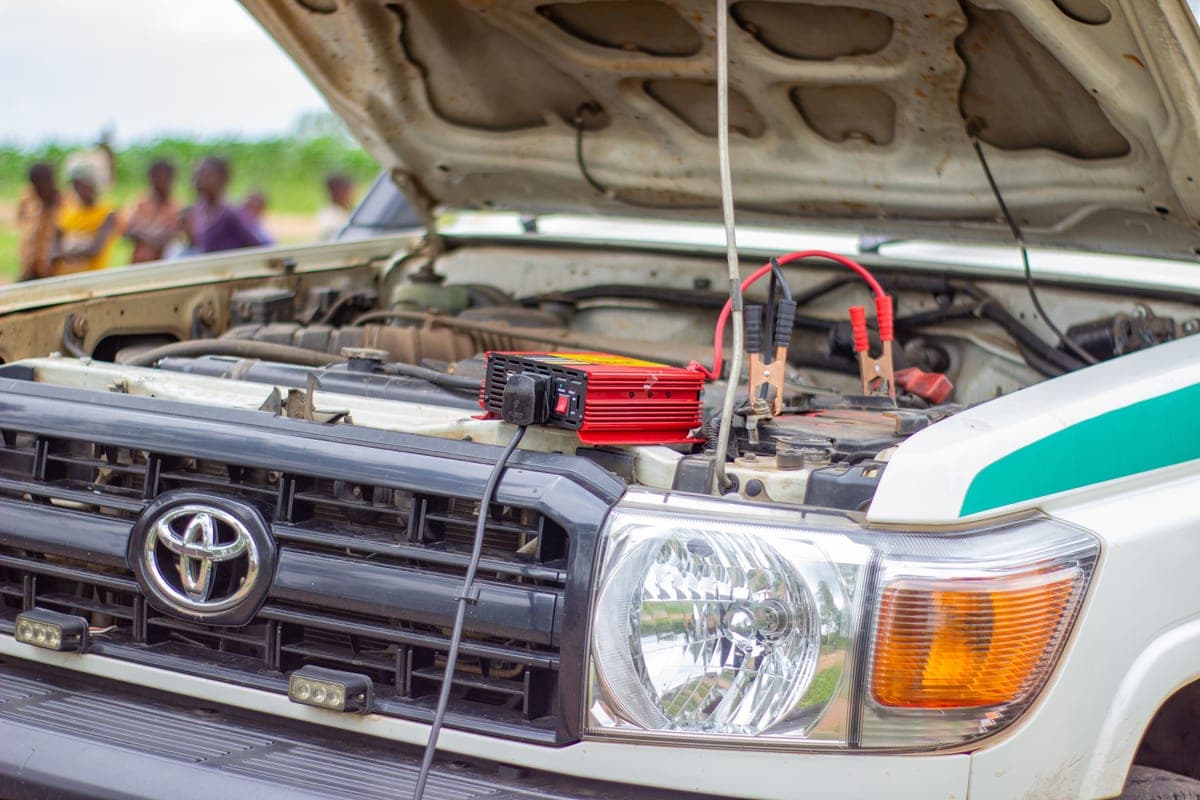
If you have jumped the car twice this year, the pack is the symptom. A charger or maintainer is what actually fixes it.
Top picks
The number-one pick from each of our buying guides, with the specs that decided it. We publish no prices — every link goes to Amazon, where the current price is shown.
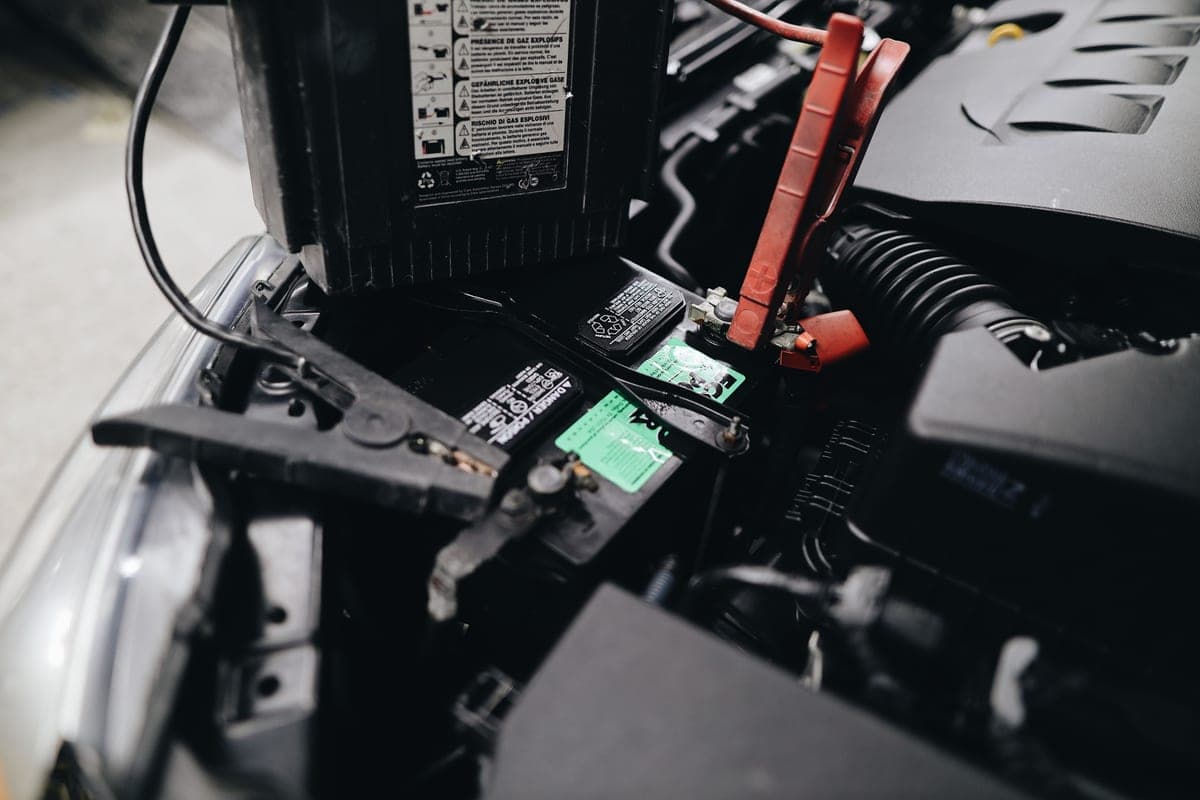
Best Portable Jump Starters
The default answer if your engine is under 6.0 L gas.
#ad Affiliate link · We show no price here; Amazon shows the current one
Best Jump-and-Inflate Combo
Jumps, inflates and has an AC outlet — and it is heavy.
#ad Affiliate link · We show no price here; Amazon shows the current one

Best for Diesel Trucks
6.0 L diesel rating covers the common truck engines.
#ad Affiliate link · We show no price here; Amazon shows the current one
Best for SUVs & Trucks
7.0 L gas rating clears a 6.2 L with margin.
#ad Affiliate link · We show no price here; Amazon shows the current one
Best for Cold Weather
The margin you want when it is below freezing.
#ad Affiliate link · We show no price here; Amazon shows the current one
Best Portable Tire Inflators
Three power sources means it always works.
#ad Affiliate link · We show no price here; Amazon shows the current one
Sections
A jump pack is the one trunk tool that turns a tow truck into a five-minute inconvenience. This is how to size one, and which ones are worth the space.
The cheapest tool that prevents the second-most-common roadside stop. Here is which type fits your tires, and the two specs that actually matter.
A jump pack gets you moving. A charger is how you stop needing one. This is the home half of the problem.
What actually lives in the trunk, in the order it earns its space — and the pre-built kits that are a starting point rather than an answer.

What changes when the nearest parts store is four hours away, the pack has to survive a hot trunk, and the airline has an opinion about your lithium battery.
Built for away from home
At home a dead battery is an inconvenience with a workshop at the end of it. Away from home it is the difference between continuing your trip and not. The tools do not change — the margins do, and so do a couple of rules nobody publishes clearly.

Sizing
Three tables that answer the only questions that actually matter before you buy anything.
By engine displacement and fuel type, using ratings manufacturers publish.
The 10% rule, worked, with published capacity ranges to check it.
The door-jamb placard, not the tire sidewall. They differ by 15-20 PSI.
Read these first

Guide
The sizing table by engine displacement and fuel type, using ratings manufacturers publish and warrant rather than peak-amp marketing.

Guide
The FAA and TSA thresholds quoted from source, where every mainstream pack sits against them, and the rules airlines add on top.

Guide
The single most common tire mistake, fixed in two minutes: placard versus sidewall, checking cold, and what cold weather does to the reading.
Head to head
The difference in one table, why the amp rating is the giveaway, and which one solves the problem you actually have.
Latest
How this site works
Figures come from the manufacturer's own specification page or a regulator's publication, linked on the page. Where a figure is not published, we say so rather than estimate it.
We run no instrumented testing, so we publish no measured fill times, gauge deviations or star ratings. Our picks are reasoning from sourced specifications, and we say which is which.
We have no live price feed, and a stale price is worse than none. Every buy link goes to the retailer, where the current price is shown.
We earn a commission on qualifying purchases through our links. It does not decide a verdict or a position, and every pick carries a plain statement of who it is wrong for.
Clamp & Crank is written by Ryder M., the hands-on owner behind Magoo Media Group. The site exists because the three tools that get a stranded driver moving are covered separately everywhere else, and nobody covers what changes when you are away from home.
We make no claim to credentials we do not have. What we do claim is that every number on this site can be traced to its source.