Jump Starters
The best portable jump starters
Five packs that cover the whole range from a four-cylinder commuter to a diesel pickup, chosen on published engine ratings rather than marketing amp figures.
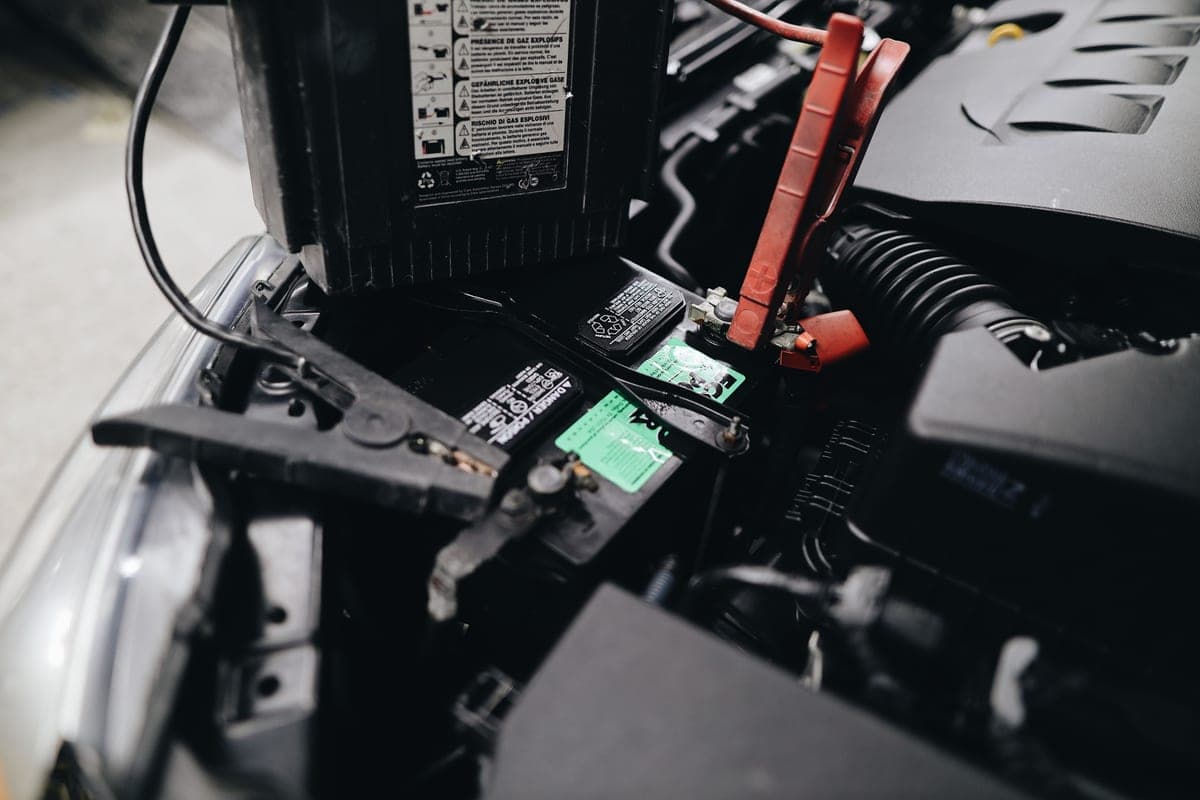
Disclosure: we earn a commission if you buy through the Amazon links on this page, at no extra cost to you. Commission never decides a verdict or a ranking position — read our editorial policy and affiliate disclosure.
How we assessed these: picks are selected from manufacturer specifications, current retailer listings and published owner feedback — not from hands-on testing of every unit. Where a figure is not published by the manufacturer, we say so rather than estimate it.
Short answer
For most cars, a 1,000-peak-amp pack rated to 6.0 L gas is enough — the NOCO GB40 is the reference point. Diesel pickups and big V8s want 2,000 peak amps and a 6.0 L diesel rating, which is the GB70. Size on the published engine rating, not the amp figure on the front of the box.
A jump starter is the highest-value item you can put in a trunk, because the failure it fixes is the most common reason a car will not move. The category is also full of numbers that do not mean what they appear to mean, so this roundup is built on one thing: the engine rating in liters that the manufacturer publishes and warrants, because that figure already folds in the arithmetic that peak amps leaves to you.
Quick picks
Tap any row to jump to the full write-up. Scoring criteria are published in full on our methodology page.
| # | Product | Best for | Our read | Price |
|---|---|---|---|---|
| 1 | NOCO Boost Plus GB40 Best overall for most cars | Most cars and small SUVs | The default answer if your engine is under 6.0 L gas | Check price on Amazon #ad Affiliate link · We show no price here; Amazon shows the current one |
| 2 | 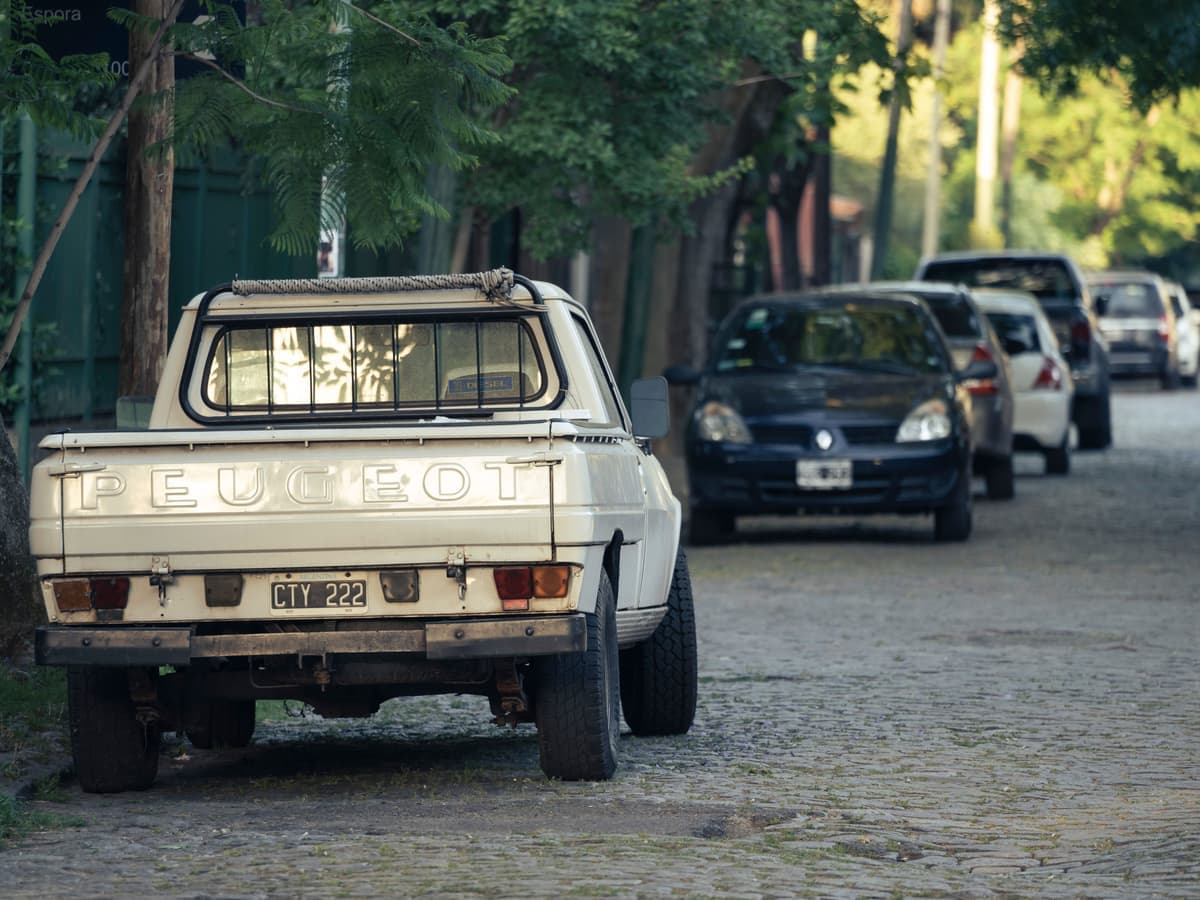 NOCO Boost HD GB70 Best for diesel and big V8 | Diesel pickups and big V8s | The smallest pack with real margin on a cold diesel | Check price on Amazon #ad Affiliate link · We show no price here; Amazon shows the current one |
| 3 | 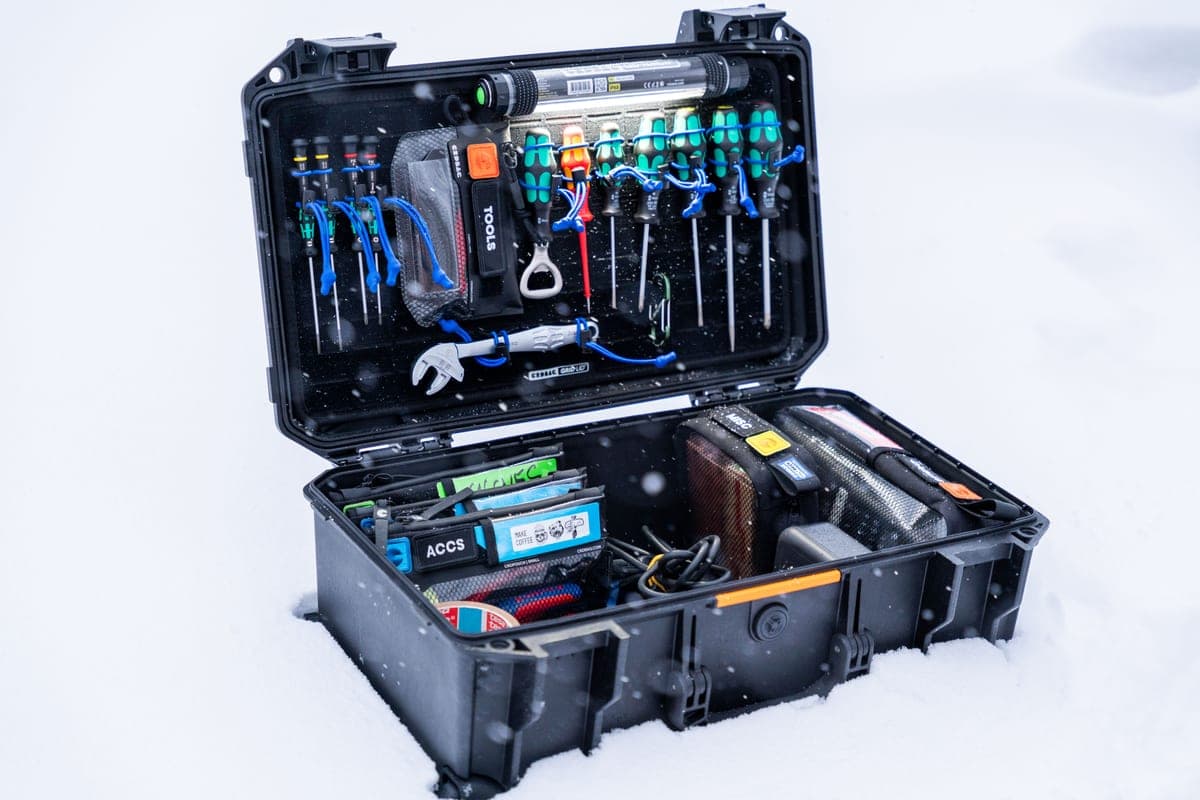 NOCO Boost X GBX45 Best for travel | Travel and carry-on use | Lightest pack here, and USB-C both directions | Check price on Amazon #ad Affiliate link · We show no price here; Amazon shows the current one |
| 4 | 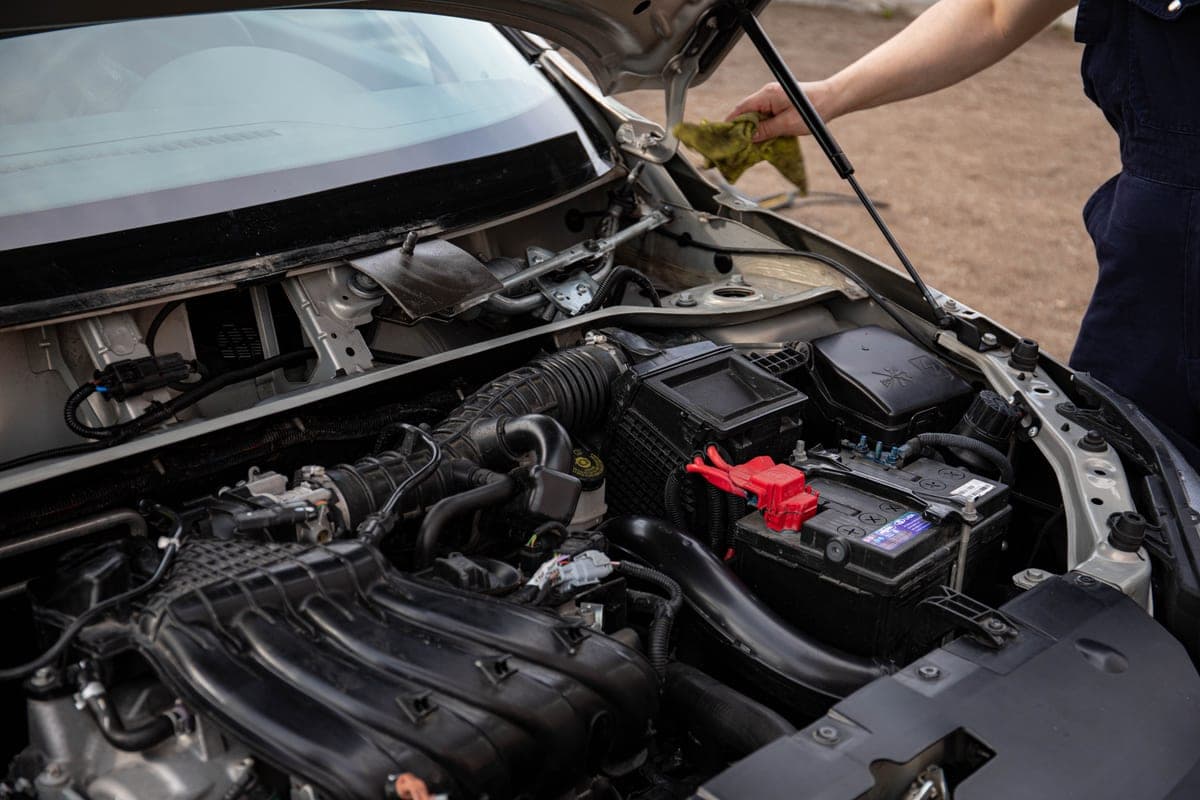 NOCO Boost Plus GB50 Best middle ground | V6 and small V8 gas engines | A liter more headroom for a quarter-pound | Check price on Amazon #ad Affiliate link · We show no price here; Amazon shows the current one |
| 5 |  GOOLOO GT4000S Cheapest large-engine rating | Maximum claimed amps per dollar | Big claimed numbers, softer claim language | Check price on Amazon #ad Affiliate link · We show no price here; Amazon shows the current one |
How we chose these
Four criteria, applied in order. Published engine rating first — a pack that clears your engine with margin, not one that just meets it. Watt-hours second, because that number decides both how many starts you get and whether the pack can fly (see flying with a jump starter). Weight and packed size third, because the tool that is genuinely small is the tool still in the vehicle a year later — and this site's reader is the one who needs it away from home. Protection and build last: an IP rating, reverse-polarity protection, and clamps with real copper in them.
What we did not use: peak-amp claims compared across brands, mAh figures, and star ratings. Peak-amp claims are not defined identically from one tier to the next, mAh without a voltage is not a capacity, and we publish no ratings of our own because we run no test lab. The full rubric is on our methodology page.
Sizing, in one table
| Model | Peak amps | Capacity | Gas rating | Diesel rating | Weight |
|---|---|---|---|---|---|
| GB40 | 1,000 A | 24 Wh | Up to 6.0 L | Up to 3.0 L | 2.45 lb |
| GBX45 | 1,250 A | 31 Wh | Up to 6.5 L | Up to 4.0 L | 2.16 lb |
| GB50 | 1,500 A | 35 Wh | Up to 7.0 L | Up to 4.5 L | 2.71 lb |
| GB70 | 2,000 A | 56 Wh | Up to 8.0 L | Up to 6.0 L | 4.18 lb |
| GB150 | 3,000 A | 88 Wh | Up to 9.0 L | Up to 7.0 L | 6.39 lb |
All figures from NOCO's published specification pages, linked in the sources block below. Note how much lower every diesel rating is than the gas rating at the same capacity — diesels crank against far higher compression.
Read your engine's displacement off the owner's manual or the badge, find the row that clears it, and then go one row up if you live somewhere cold or your battery is more than three years old. That is the entire sizing exercise. What size jump starter do I need has the same table broken out by vehicle type.
The picks
1. Best overall for most cars
NOCO Boost Plus GB40
NOCO · Best for most cars and small suvs
The default answer for a four- or six-cylinder car: 1,000 peak amps, 24 watt-hours, and light enough that it actually stays in the trunk.
Published specifications
What works
- 24 Wh sits far under the 100 Wh carry-on threshold, so flying with it needs no airline approval
- 2.45 lb and pocketable — the size that decides whether a tool is still in the trunk six months later
- IP65 enclosure, so a wet shoulder in the rain is not a problem
- Reverse-polarity protection means a backwards clamp does not spark
What does not
- 1,000 peak amps runs out of headroom above a 6.0 L gas engine
- The 3.0 L diesel ceiling rules out most modern diesel pickups
- 24 Wh is a small reserve — it is a jump starter, not a power bank substitute
Skip it if
Not the one to buy if you drive a diesel pickup or a big V8. You would be at the edge of its rating on a cold morning, which is exactly when you want margin.
#ad Affiliate link · We show no price here; Amazon shows the current one
Raw specifications: NOCO’s own page for the NOCO Boost Plus GB40.
2. Best for diesel and big V8
NOCO Boost HD GB70
NOCO · Best for diesel pickups and big v8s
The one to buy if you drive a diesel: 2,000 peak amps, a 6.0-liter diesel rating and 56 watt-hours, which is the smallest pack with real margin on a cold diesel.
Published specifications
What works
- The 6.0 L diesel rating covers the common 3.0 L and 6.7 L light-truck diesels with margin
- 56 Wh is still comfortably under the 100 Wh carry-on threshold, so it flies as hand luggage
- 12 V 15 A accessory output, and a 400-lumen light that is genuinely usable roadside
- 12 V / 3 A fast charge brings it back in about three hours
What does not
- 4.18 lb — noticeably heavier than the compact packs, and it wants a dedicated spot
- Overkill for a commuter four-cylinder; you are paying for headroom you will not use
Skip it if
Not the one to buy if you only ever start a four-cylinder commuter. Buy diesel headroom when you have a diesel.
#ad Affiliate link · We show no price here; Amazon shows the current one
Raw specifications: NOCO’s own page for the NOCO Boost HD GB70.
3. Best for travel
NOCO Boost X GBX45
NOCO · Best for travel and carry-on use
The travel pick: 1,250 peak amps at 2.16 lb with USB-C Power Delivery in and out, so it recharges from the same brick as your laptop.
Published specifications
- Peak amps
- 1,250 A source
- Internal battery
- 31 Wh lithium-ion source
- Gas engine rating
- Up to 6.5 liters source
- Diesel engine rating
- Up to 4.0 liters source
- Weight
- 2.16 lb (0.98 kg) source
- USB-C output
- Up to 20 V / 3 A Power Delivery source
- Water resistance
- IP65 with ports closed source
- Warranty
- 1-year hassle-free source
What works
- Lightest pack in the range at 2.16 lb, and 31 Wh means no airline paperwork
- USB-C Power Delivery both directions — one cable covers the pack, phone and laptop
- More gas headroom than the GB40 (6.5 L against 6.0 L) in a lighter body
What does not
- The IP65 rating only holds with the port covers closed — worth remembering in the rain
- The 4.0 L diesel ceiling is not enough for a full-size diesel pickup
Skip it if
Not the right pack for a diesel truck, and not the cheapest way to cover a small commuter — its premium buys packability, not amps.
#ad Affiliate link · We show no price here; Amazon shows the current one
Raw specifications: NOCO’s own page for the NOCO Boost X GBX45.
4. Best middle ground
NOCO Boost Plus GB50
NOCO · Best for v6 and small v8 gas engines
The middle rung: 1,500 peak amps and 35 watt-hours for a quarter-pound more than the GB40, which is the cheapest headroom in the range.
Published specifications
What works
- A full liter more gas headroom than the GB40 for 0.26 lb more weight
- 35 Wh still clears the 100 Wh carry-on limit with room to spare
- Doubles the flashlight output over the GB40 at 200 lumens
What does not
- Overlaps awkwardly with the GBX45, which is lighter and charges over USB-C
- Still short of the 6.0 L diesel rating a modern diesel pickup wants
Skip it if
Skip it if convenience matters more than amps — the GBX45 is lighter and takes USB-C Power Delivery, and the GB50's edge is raw current.
#ad Affiliate link · We show no price here; Amazon shows the current one
Raw specifications: NOCO’s own page for the NOCO Boost Plus GB50.
5. Cheapest large-engine rating
GOOLOO GT4000S
GOOLOO · Best for maximum claimed amps per dollar
A high-claimed-amp budget pack. Worth a look on price, but read the rating language closely — peak-amp claims in this tier are not stated the way the majors state them.
This manufacturer does not publish a full specification table for this model on its own site. Rather than repeat figures we cannot source, the assessment below is limited to what the product category and the retailer listing genuinely establish.
What works
- One of the cheapest routes to a large-engine rating
- Usually ships with a case, cables and a wall adapter in the box
What does not
- Budget-tier peak-amp claims are not directly comparable to a major brand's published rating
- Support and warranty handling is the usual weak point against NOCO or DEWALT
- Capacity is often quoted in mAh rather than watt-hours, which obscures airline legality
Skip it if
Not the pick if the pack is your only plan for a remote breakdown. For that, pay for a published rating and a warranty you can actually use.
#ad Affiliate link · We show no price here; Amazon shows the current one
What we deliberately left out
Combo units with built-in compressors. They are a legitimate choice and they have their own roundup — the best jump starters with an air compressor — but on pure jump-starting merit a combo unit is always a compromise against a dedicated pack of the same size.
Power stations with a jump-start function. Different product, different job. A power station is a camping battery that can sometimes start a car; a jump pack is a starting tool that can sometimes charge a phone. Jump starter vs power station is the honest comparison, and the watt-hour difference between them also has real airline consequences.
Anything advertising only mAh. A capacity in mAh with no stated voltage is not a capacity, and on a pack that might need to fly it actively obscures the number that decides legality. mAh vs watt-hours shows the conversion.
Before you buy: three things worth knowing
A pack does not fix a battery. If you jump the car twice in a month, the battery or the charging system is the fault, and the answer is a charger or maintainer rather than a bigger pack.
Cold changes the maths in both directions at once. A cold battery delivers less and a cold engine demands more, which is why failures cluster in January. That is the case for margin, and it is covered in the cold-weather roundup.
Heat is what kills the pack itself. Sustained high temperature permanently reduces lithium capacity, so a pack that spent a summer in a hot trunk may no longer have the margin you bought. Storage and heat is the most under-covered question in this category.
Key takeaways
- Size on the published engine rating in liters, not on peak amps.
- Diesel ratings are roughly half the gas rating at the same capacity — check the right column.
- Buy margin if you live somewhere cold or your battery is over three years old.
- Every pack here is under 100 Wh, so all of them can fly in carry-on baggage.
- If you are jumping the car repeatedly, buy a charger, not a bigger pack.
How we sourced this
Every figure on this page came from one of the following. Where a manufacturer or regulator does not publish a number, we say so rather than estimate it.
Common questions
- What is the best portable jump starter for most cars?
- For a four- or six-cylinder car, a pack rated around 1,000 peak amps with a published 6.0 L gas rating covers it with margin — the NOCO GB40 is the reference point at 24 Wh and 2.45 lb. Step up only if you drive a diesel, a large V8, or you live somewhere genuinely cold.
- Are more peak amps always better?
- No. Past the point where the pack clears your engine's published rating with margin, extra peak amps buy weight and cost rather than reliability. A pack rated to 9.0 L gas is not more likely to start a 2.0 L four-cylinder than one rated to 6.0 L — it is just heavier and more expensive.
- How many times can a jump starter start a car?
- It depends on capacity and on how hard each start is. NOCO publishes an up-to figure for its compact packs, and the real-world number falls with cold weather, engine size and battery condition. Treat the advertised count as a best case and recharge after any use.
- Do I need a lithium pack or a lead-acid jump station?
- Lithium for almost everyone: far lighter, far smaller, and it holds charge better between uses. Lead-acid still wins on one specific point, which is that it is largely indifferent to living in a hot trunk, where sustained heat permanently costs a lithium pack capacity. See our lithium vs lead-acid comparison for the full trade.
More in Jump Starters
A jump pack is the one trunk tool that turns a tow truck into a five-minute inconvenience. This is how to size one, and which ones are worth the space.
Read next
Guide
What Size Do I Need?
The sizing table by engine displacement and fuel type, using ratings manufacturers publish and warrant rather than peak-amp marketing.
Review
NOCO GB40 Review
1,000 peak amps, 24 Wh, 2.45 lb. The default answer for a four- or six-cylinder car — and wrong for a diesel.
Best for Diesel Trucks
For Diesel Trucks
Packs with a published diesel rating that actually covers a 3.0 L to 6.7 L light-truck engine, with margin for a cold morning.

Guide
Flying With a Jump Starter
The FAA and TSA thresholds quoted from source, where every mainstream pack sits against them, and the rules airlines add on top.
Found something out of date, or a figure you can source better than we did? Tell us — corrections get read first. Our methodology explains how picks are made, and contact is one click away.