Jump Starters
The best jump starters for hybrid cars
Hybrids strand people surprisingly often, and always for the same reason: the small 12-volt battery, not the big orange one.
Disclosure: we earn a commission if you buy through the Amazon links on this page, at no extra cost to you. Commission never decides a verdict or a ranking position — read our editorial policy and affiliate disclosure.
How we assessed these: picks are selected from manufacturer specifications, current retailer listings and published owner feedback — not from hands-on testing of every unit. Where a manufacturer does not publish a figure, it is left out rather than estimated.
Short answer
A hybrid needs a modest pack, not a large one. You are not starting an engine with it — you are waking the 12-volt system that boots the car's computers, and a 1,000-peak-amp pack rated to 6.0 liters is already generous. Never connect anything to the high-voltage pack.
Hybrids come up in roadside conversation far more than their share of the road would suggest, and the reason is structural rather than a fault: the 12-volt auxiliary battery in a hybrid does a different job from a conventional car's, and it is usually smaller.
Quick picks
Tap any row to jump to the full write-up. Scoring criteria are published in full on our methodology page.
| # | Product | Best for | Our read | Price |
|---|---|---|---|---|
| 1 | 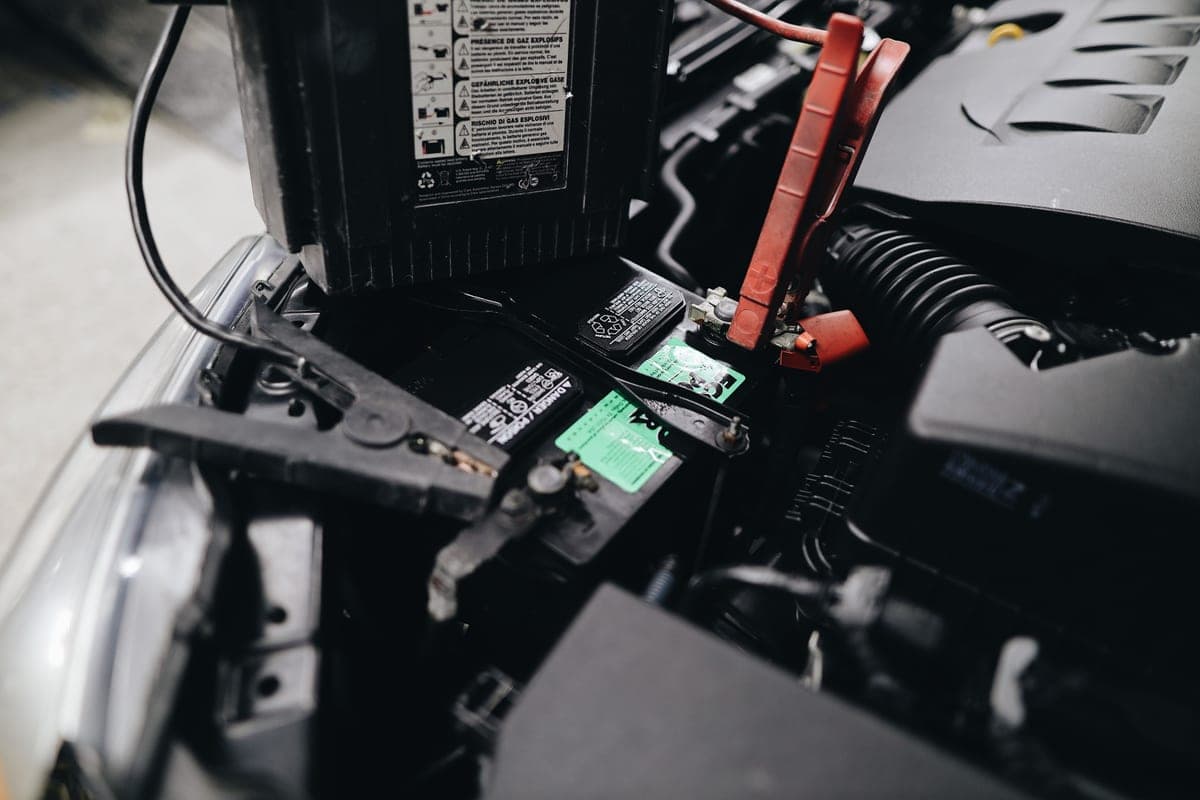 NOCO Boost Plus GB40 Best overall for a hybrid | Most cars and small SUVs | More than enough for a 12 V auxiliary battery | Check price on Amazon #ad Affiliate link · We show no price here; Amazon shows the current one |
| 2 | 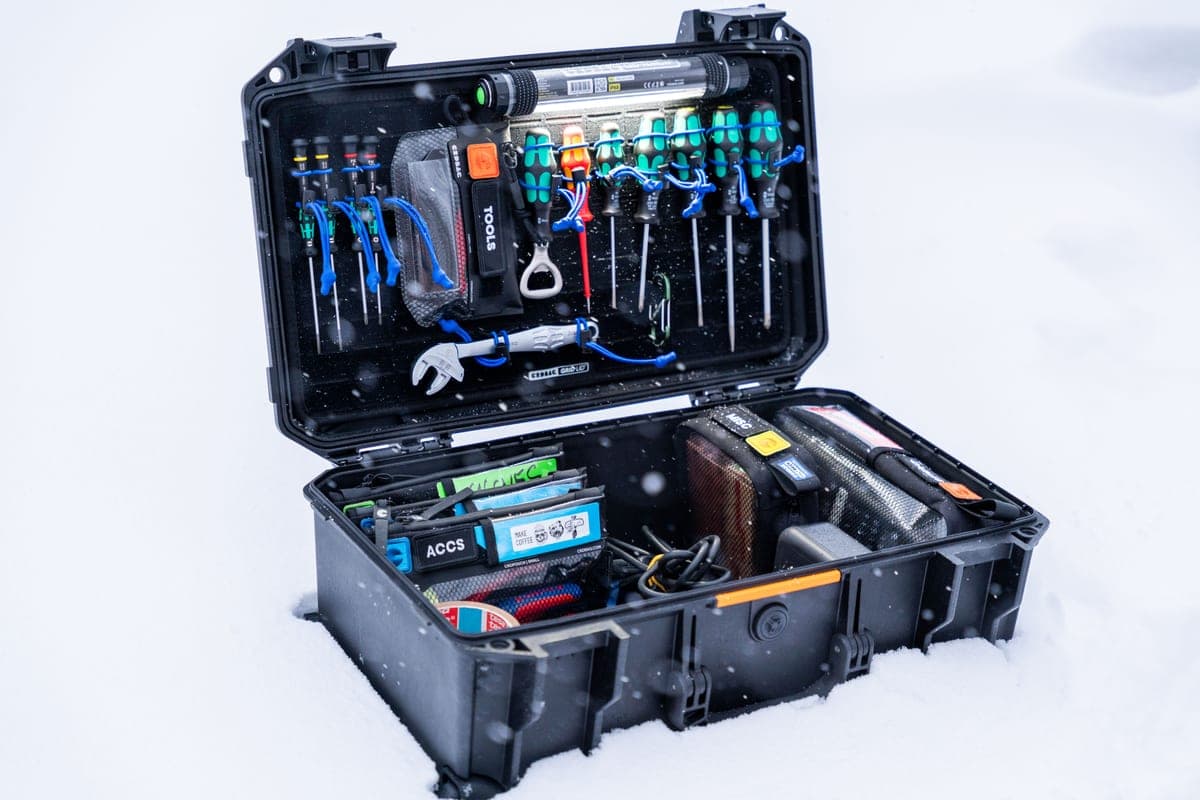 NOCO Boost X GBX45 Best compact option | Travel and carry-on use | 2.16 lb, USB-C, fits a small trunk | Check price on Amazon #ad Affiliate link · We show no price here; Amazon shows the current one |
| 3 |  NOCO GENIUS5 The fix for the recurring case | One car, charging and maintaining | Maintains the 12 V battery that keeps dying | Check price on Amazon #ad Affiliate link · We show no price here; Amazon shows the current one |
Two batteries, and only one of them is yours to touch
| 12-volt auxiliary battery | High-voltage traction pack | |
|---|---|---|
| Job | Boots the computers, runs accessories | Drives the wheels |
| Typical size | Small, often smaller than a conventional car's | Large, hundreds of volts |
| Where | Under the hood, in the trunk, or under a seat | Under the floor or behind the seats |
| Can you jump it | Yes — this is the one | Never. Not a DIY item at any voltage |
| Color cue | Ordinary | Orange cabling — do not touch |
Orange cabling on any electrified vehicle marks the high-voltage system. It is not a jump-starting surface and never will be.
Why the 12-volt battery fails so often
- It is small. It only has to run electronics, not crank an engine, so manufacturers fit a modest battery with correspondingly little margin.
- Short trips punish it. The car's DC-DC converter recharges it while the system is ready, and brief journeys may not replace what booting consumed.
- Sitting punishes it more. A hybrid parked for weeks keeps drawing small currents, and a small battery reaches a no-start state sooner than a big one would.
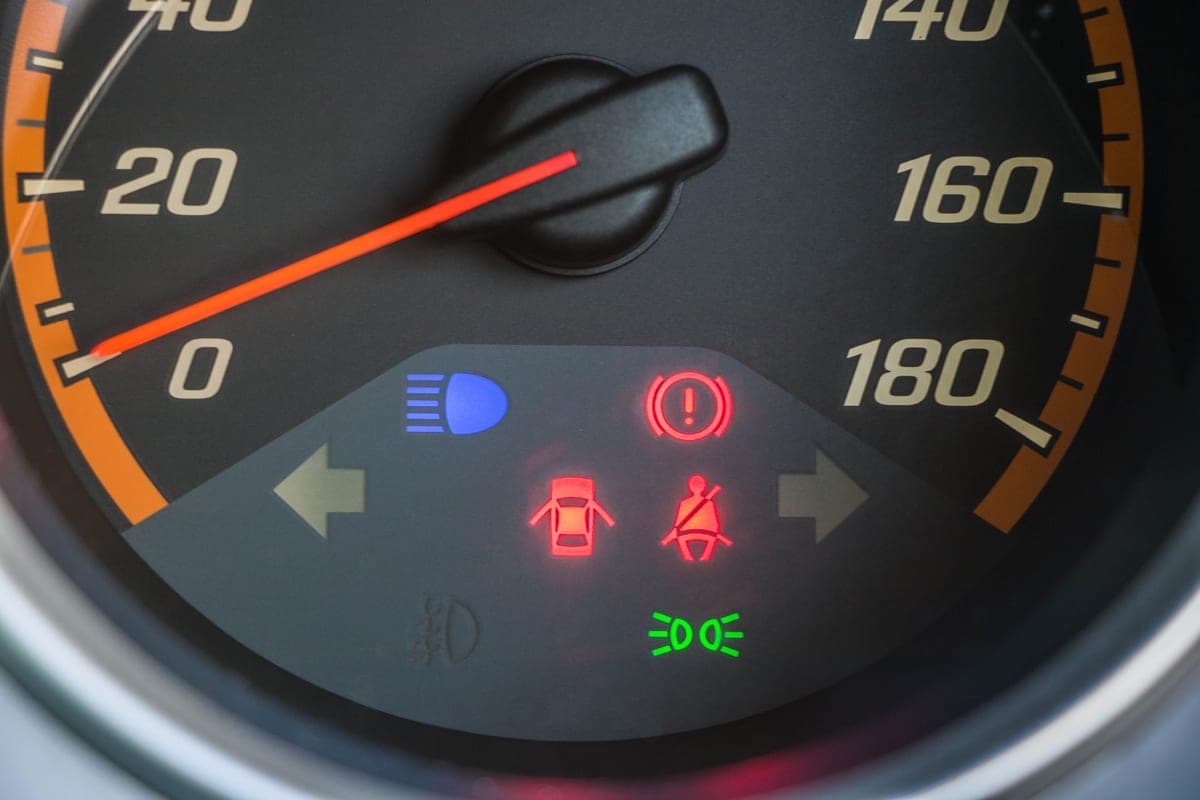
- A no-start looks dramatic. With low 12 volts you can get a dashboard full of warnings and a car that will not enter ready mode at all — which looks like a major fault and is usually just a flat auxiliary battery.
Which is why the real answer is often a maintainer
If your hybrid has left you stranded once, it will likely do it again, because the cause is usually usage pattern rather than a defective battery. A maintainer or 5 A charger on the 12-volt battery addresses the cause; the pack addresses the symptom.
Check the chemistry before you buy a charger — some hybrids use AGM auxiliary batteries, which want a different charge profile. AGM chargers covers what changes.
The picks
1. Best overall for a hybrid
NOCO Boost Plus GB40
NOCO · Best for most cars and small suvs
The default answer for a four- or six-cylinder car: 1,000 peak amps, 24 watt-hours, and light enough that it actually stays in the trunk.
Published specifications
What works
- 24 Wh sits far under the 100 Wh carry-on threshold, so flying with it needs no airline approval
- 2.45 lb and pocketable — the size that decides whether a tool is still in the trunk six months later
- IP65 enclosure, so a wet shoulder in the rain is not a problem
- Reverse-polarity protection means a backwards clamp does not spark
What does not
- 1,000 peak amps runs out of headroom above a 6.0 L gas engine
- The 3.0 L diesel ceiling rules out most modern diesel pickups
- 24 Wh is a small reserve — it is a jump starter, not a power bank substitute
Skip it if
Not the one to buy if you drive a diesel pickup or a big V8. You would be at the edge of its rating on a cold morning, which is exactly when you want margin.
#ad Affiliate link · We show no price here; Amazon shows the current one
Raw specifications: NOCO’s own page for the NOCO Boost Plus GB40.
2. Best compact option
NOCO Boost X GBX45
NOCO · Best for travel and carry-on use
The travel pick: 1,250 peak amps at 2.16 lb with USB-C Power Delivery in and out, so it recharges from the same brick as your laptop.
Published specifications
- Peak amps
- 1,250 A source
- Internal battery
- 31 Wh lithium-ion source
- Gas engine rating
- Up to 6.5 liters source
- Diesel engine rating
- Up to 4.0 liters source
- Weight
- 2.16 lb (0.98 kg) source
- USB-C output
- Up to 20 V / 3 A Power Delivery source
- Water resistance
- IP65 with ports closed source
- Warranty
- 1-year hassle-free source
What works
- Lightest pack in the range at 2.16 lb, and 31 Wh means no airline paperwork
- USB-C Power Delivery both directions — one cable covers the pack, phone and laptop
- More gas headroom than the GB40 (6.5 L against 6.0 L) in a lighter body
What does not
- The IP65 rating only holds with the port covers closed — worth remembering in the rain
- The 4.0 L diesel ceiling is not enough for a full-size diesel pickup
Skip it if
Not the right pack for a diesel truck, and not the cheapest way to cover a small commuter — its premium buys packability, not amps.
#ad Affiliate link · We show no price here; Amazon shows the current one
Raw specifications: NOCO’s own page for the NOCO Boost X GBX45.
3. The fix for the recurring case
NOCO GENIUS5
NOCO · Best for one car, charging and maintaining
The single most useful charger for one vehicle: 5 amps, 6 V and 12 V, batteries up to 120 Ah, and it can be left connected indefinitely.
Published specifications
What works
- 5 A recharges a car battery overnight and then holds it — one unit does both jobs
- Rated down to -4 °F, so it works in an unheated garage
- The 77-inch cable reaches from a wall outlet to most engine bays without an extension
- 3-year warranty, against 1 year on the jump-starter line
What does not
- 5 A is slow for a deeply discharged large battery — a 100 Ah battery is an all-nighter
- The 120 Ah ceiling rules out larger deep-cycle banks
Skip it if
Not enough charger if you are reviving deep-cycle RV or marine batteries. Step up to the GENIUS10 and its 230 Ah range.
#ad Affiliate link · We show no price here; Amazon shows the current one
Raw specifications: NOCO’s own page for the NOCO GENIUS5.
Key takeaways
- You jump the 12-volt auxiliary battery, never the high-voltage pack.
- Orange cabling marks high voltage — it is not a DIY surface.
- Use the manufacturer's designated jump points; the battery is often in the trunk.
- A modest pack is ample — you are booting electronics, not cranking an engine.
- Repeat failures are a usage pattern, so a maintainer beats a bigger pack.
How we sourced this
Every figure on this page came from one of the following. Where a manufacturer or regulator does not publish a number, we say so rather than estimate it.
Common questions
- Can you jump start a hybrid car?
- Yes — you jump the 12-volt auxiliary battery, which boots the car's computers, exactly as on a conventional car. You never connect anything to the high-voltage traction pack. Use the manufacturer's designated jump points, which on many hybrids are remote terminals under the hood.
- What size jump starter do I need for a hybrid?
- A modest one. You are not cranking an engine, only waking the 12-volt system, so a pack rated around 1,000 peak amps and 6.0 liters of gas engine is already generous. Buy for compactness and reliability rather than for maximum amps.
- Why does my hybrid's 12 volt battery keep dying?
- Because it is small and its job is to run electronics rather than crank an engine, so it has little margin. Short trips may not replace what booting the car consumed, and a hybrid left parked keeps drawing small currents. A maintainer on the 12-volt battery addresses the cause.
- Can a jump starter damage a hybrid?
- A correctly connected pack with reverse-polarity protection, used at the manufacturer's designated jump points, is very unlikely to. The real risk on any electrified vehicle is the high-voltage system, marked with orange cabling, which is not a jump-starting surface under any circumstances.
More in Jump Starters
A jump pack is the one trunk tool that turns a tow truck into a five-minute inconvenience. This is how to size one, and which ones are worth the space.
Read next
Best Portable Jump Starters
Best Portable Jump Starters
Our main roundup: five packs from compact to heavy-duty, ranked on the engine rating the manufacturer will actually stand behind.

Best Battery Maintainers
Best Maintainers
Low-current maintainers for seasonal and stored vehicles, including the solar option for anything parked away from an outlet.

How to
How to Use One
The full sequence for a lithium jump pack, plus what to do when the first attempt does not work and when to stop trying.
Best AGM Chargers
Best AGM Chargers
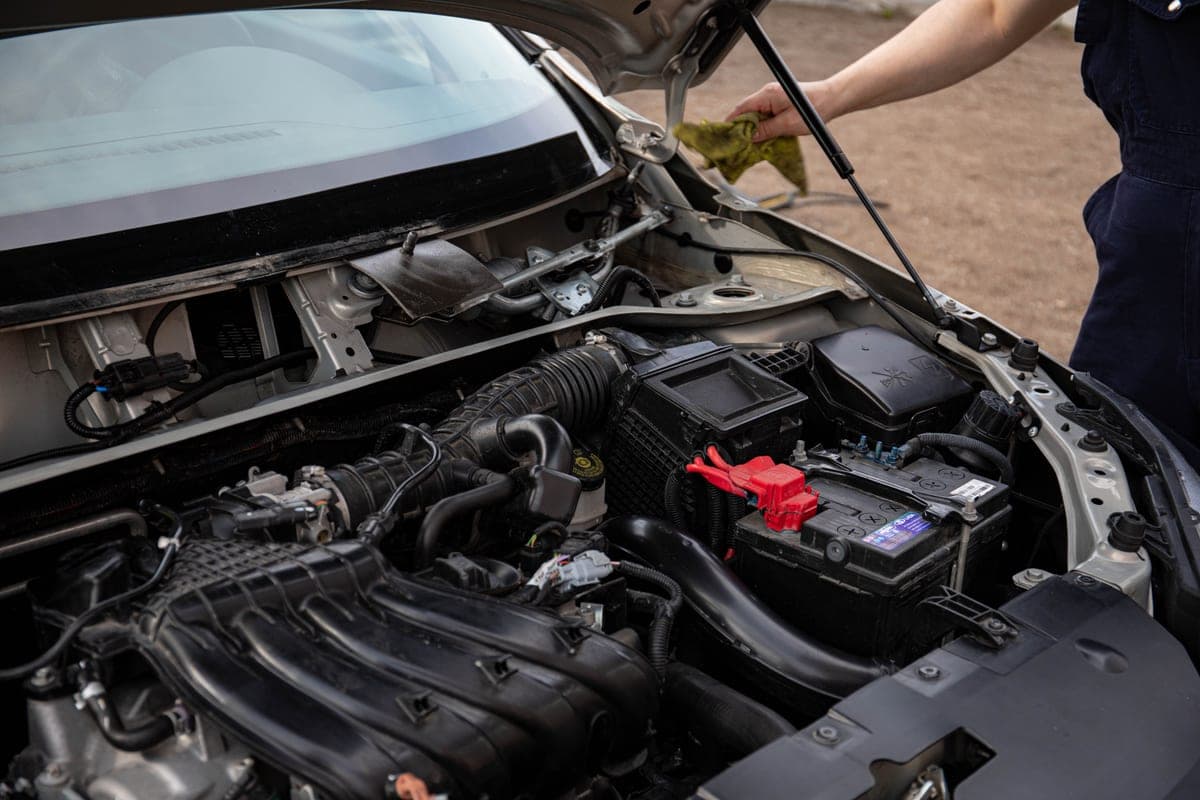
Chargers with a genuine AGM mode, what changes about the charge voltage, and how to tell which chemistry your car actually has.
Found something out of date, or a figure you can source better than we did? Tell us — corrections get read first. Our methodology explains how picks are made, and contact is one click away.