Jump Starters
What size jump starter do I need?
One table, read off your engine's displacement and fuel type. Everything else in this category is downstream of this answer.
Disclosure: we earn a commission if you buy through the Amazon links on this page, at no extra cost to you. Commission never decides a verdict or a ranking position — read our editorial policy and affiliate disclosure.
How we assessed these: the figures on this page come from manufacturer specification pages and regulator publications, cited inline. Nothing here is estimated or restated from memory.
Short answer
Match your engine's displacement and fuel type to the manufacturer's published engine rating, then buy one step up if you live somewhere cold or your battery is over three years old. Most gas cars need a 1,000-peak-amp pack; most diesel pickups need 2,000.
| Your engine | Peak amps | Example pack | Published rating |
|---|---|---|---|
| Gas up to 6.0 L (four-cylinder, V6, small V8) | 1,000 A | NOCO GB40 | Up to 6.0 L gas |
| Gas up to 6.5 L | 1,250 A | NOCO GBX45 | Up to 6.5 L gas |
| Gas up to 7.0 L | 1,500 A | NOCO GB50 | Up to 7.0 L gas |
| Gas up to 8.0 L | 2,000 A | NOCO GB70 | Up to 8.0 L gas |
| Diesel up to 3.0 L | 1,000 A | NOCO GB40 | Up to 3.0 L diesel |
| Diesel up to 4.0 L | 1,250 A | NOCO GBX45 | Up to 4.0 L diesel |
| Diesel up to 4.5 L | 1,500 A | NOCO GB50 | Up to 4.5 L diesel |
| Diesel up to 6.0 L | 2,000 A | NOCO GB70 | Up to 6.0 L diesel |
| Diesel up to 7.0 L | 3,000 A | NOCO GB150 | Up to 7.0 L diesel |
Every rating in the right-hand column is NOCO's own published figure, linked in the sources block. We use one manufacturer's range here because it publishes ratings consistently across every model — read your chosen brand's own rating rather than assuming these numbers transfer.
Why the rating is in liters and not amps
Because liters is the number you can actually look up. Converting an engine's displacement into a required cranking current depends on compression ratio, oil viscosity at temperature, starter motor efficiency and battery condition — none of which you know. The manufacturer has already done that work and published a rating it will honor under warranty. Use it.
This is also why comparing peak-amp numbers across brands is a trap. Peak amps is not defined identically from one tier of the market to the next, so a budget pack claiming 4,000 A and a major brand claiming 2,000 A are not telling you the same thing about the same test. Peak amps vs cranking amps explains what the numbers mean.
Diesel is roughly a two-to-one derating
Look at the table again and notice that every pack's diesel rating is about half its gas rating. The GB40 is 6.0 L gas and 3.0 L diesel; the GB70 is 8.0 L gas and 6.0 L diesel.
The reason is physical. A diesel has no spark plugs — it ignites fuel purely by compressing air until it is hot enough, which requires compression ratios far above a gas engine's. The starter turns the engine against that. On top of it, glow plugs or a grid heater draw substantial current before the starter even engages. So a 3.0 L diesel demands more of a jump pack than a 5.0 L gas V8 does. The diesel roundup covers the truck-specific detail.
How much margin to add
The table gives you the floor. Three situations justify going one step above it:
- Cold climate. A cold battery delivers less while a cold engine demands more, simultaneously. This is the single best reason to buy up — see the cold-weather roundup.
- A battery over three years old. A tired battery is doing less of the work, so the pack is doing more of it.
- A future vehicle. Packs outlast cars. If a diesel is plausibly next, buying the 2,000 A class now covers both.
What does not justify buying up: "bigger is safer." Past your engine's rating with margin, extra peak amps add weight and cost and change nothing about whether the car starts. A 6.39 lb pack for a 2.0 L four-cylinder is 4 lb of permanent dead weight.
Do not forget the watt-hours
Peak amps decide whether the pack can start your engine. Watt-hours decide how many attempts you get before it needs recharging — and whether you can take it on a plane. The FAA permits lithium-ion batteries up to 100 Wh in carry-on baggage without airline approval; 101-160 Wh needs approval and is capped at two spares.
Usefully, every pack in the table above is under 100 Wh — the heaviest, the GB150, is 88 Wh. If your candidate pack advertises mAh instead, convert it before you buy, because mAh without a stated voltage is not a capacity.
Which pack, once you know the size
1. Gas engines up to 6.0 L
NOCO Boost Plus GB40
NOCO · Best for most cars and small suvs
The default answer for a four- or six-cylinder car: 1,000 peak amps, 24 watt-hours, and light enough that it actually stays in the trunk.
Published specifications
What works
- 24 Wh sits far under the 100 Wh carry-on threshold, so flying with it needs no airline approval
- 2.45 lb and pocketable — the size that decides whether a tool is still in the trunk six months later
- IP65 enclosure, so a wet shoulder in the rain is not a problem
- Reverse-polarity protection means a backwards clamp does not spark
What does not
- 1,000 peak amps runs out of headroom above a 6.0 L gas engine
- The 3.0 L diesel ceiling rules out most modern diesel pickups
- 24 Wh is a small reserve — it is a jump starter, not a power bank substitute
Skip it if
Not the one to buy if you drive a diesel pickup or a big V8. You would be at the edge of its rating on a cold morning, which is exactly when you want margin.
#ad Affiliate link · We show no price here; Amazon shows the current one
Raw specifications: NOCO’s own page for the NOCO Boost Plus GB40.
2. Gas engines up to 7.0 L
NOCO Boost Plus GB50
NOCO · Best for v6 and small v8 gas engines
The middle rung: 1,500 peak amps and 35 watt-hours for a quarter-pound more than the GB40, which is the cheapest headroom in the range.
Published specifications
What works
- A full liter more gas headroom than the GB40 for 0.26 lb more weight
- 35 Wh still clears the 100 Wh carry-on limit with room to spare
- Doubles the flashlight output over the GB40 at 200 lumens
What does not
- Overlaps awkwardly with the GBX45, which is lighter and charges over USB-C
- Still short of the 6.0 L diesel rating a modern diesel pickup wants
Skip it if
Skip it if convenience matters more than amps — the GBX45 is lighter and takes USB-C Power Delivery, and the GB50's edge is raw current.
#ad Affiliate link · We show no price here; Amazon shows the current one
Raw specifications: NOCO’s own page for the NOCO Boost Plus GB50.
3. Diesel up to 6.0 L, gas up to 8.0 L
NOCO Boost HD GB70
NOCO · Best for diesel pickups and big v8s
The one to buy if you drive a diesel: 2,000 peak amps, a 6.0-liter diesel rating and 56 watt-hours, which is the smallest pack with real margin on a cold diesel.
Published specifications
What works
- The 6.0 L diesel rating covers the common 3.0 L and 6.7 L light-truck diesels with margin
- 56 Wh is still comfortably under the 100 Wh carry-on threshold, so it flies as hand luggage
- 12 V 15 A accessory output, and a 400-lumen light that is genuinely usable roadside
- 12 V / 3 A fast charge brings it back in about three hours
What does not
- 4.18 lb — noticeably heavier than the compact packs, and it wants a dedicated spot
- Overkill for a commuter four-cylinder; you are paying for headroom you will not use
Skip it if
Not the one to buy if you only ever start a four-cylinder commuter. Buy diesel headroom when you have a diesel.
#ad Affiliate link · We show no price here; Amazon shows the current one
Raw specifications: NOCO’s own page for the NOCO Boost HD GB70.
4. Diesel up to 7.0 L
NOCO Boost Pro GB150
NOCO · Best for heavy diesel, fleet and equipment
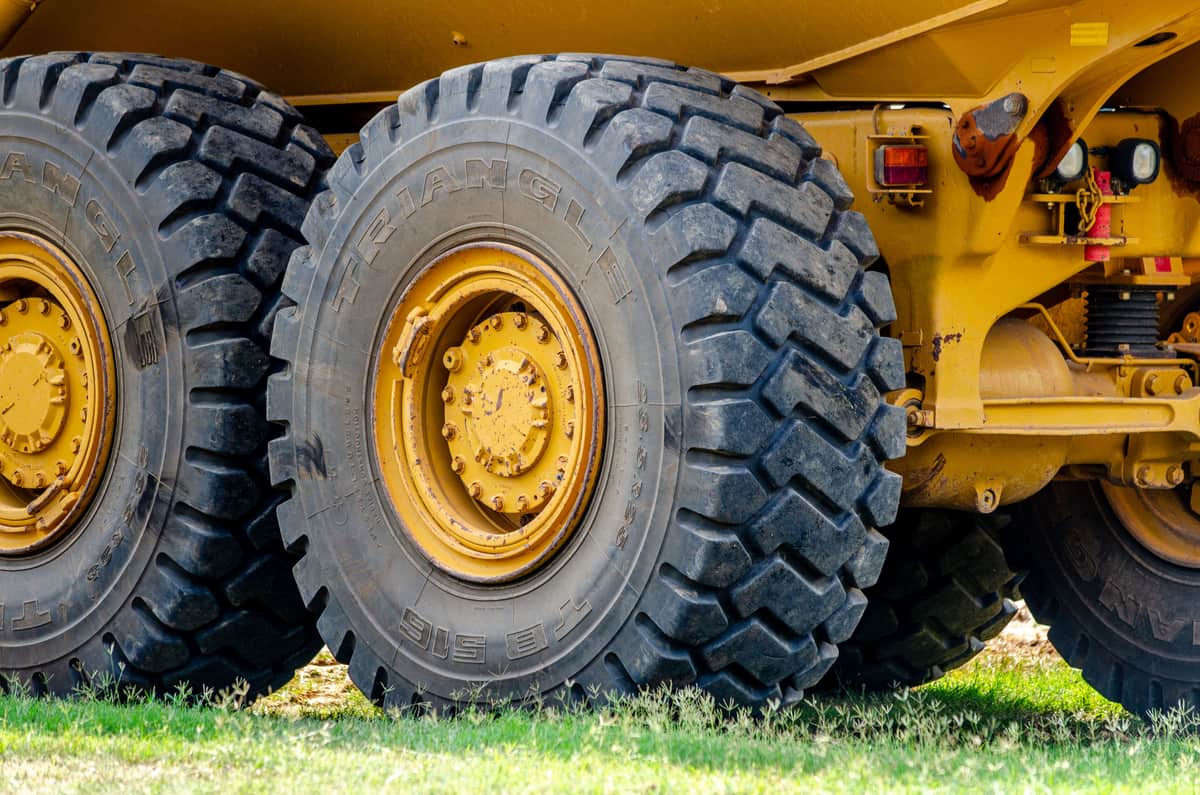
The heavy end: 3,000 peak amps, a 7.0-liter diesel rating and 88 watt-hours, for the engines the consumer packs cannot legitimately claim.
Published specifications
What works
- The 7.0 L diesel rating is the highest in NOCO's consumer line
- 88 Wh still sits under the 100 Wh carry-on threshold, which is unusual at this size
- Long, heavy-gauge cables reach awkward battery positions on trucks and equipment
What does not
- 6.39 lb and bulky — a dedicated trunk or toolbox item, not a glovebox one
- Far more capacity than any passenger car will ever draw
Skip it if
Wrong tool for a car or crossover. If your largest engine is a half-ton gas V8, the GB70 already has margin and costs and weighs less.
#ad Affiliate link · We show no price here; Amazon shows the current one
Raw specifications: NOCO’s own page for the NOCO Boost Pro GB150.
Key takeaways
- Size on the manufacturer's published engine rating in liters, not on peak amps.
- Diesel ratings run about half the gas rating for the same pack.
- Add one step up for cold climates or a battery over three years old.
- Do not buy above your rating for its own sake — that is weight without benefit.
- Check watt-hours too: under 100 Wh is what lets the pack fly.
How we sourced this
Every figure on this page came from one of the following. Where a manufacturer or regulator does not publish a number, we say so rather than estimate it.
Common questions
- How many amps do I need to jump start my car?
- Use the manufacturer's published engine rating rather than converting amps yourself. As a guide, a 1,000-peak-amp pack is rated to 6.0 liters of gas engine, which covers most four-cylinder and V6 cars. A 2,000-amp pack is rated to 8.0 liters gas or 6.0 liters diesel.
- What size jump starter do I need for a V8?
- For a gas V8 up to 6.0 liters, a 1,000-amp pack is within rating, though a 1,500-amp pack gives useful margin on a cold morning. For 6.2 liters and above, buy the 1,500-amp class at minimum, and the 2,000-amp class if you live somewhere with real winters.
- Is a bigger jump starter always better?
- No. Once the pack clears your engine's published rating with margin, extra peak amps add weight, bulk and cost without making the car any more likely to start. The right pack is the smallest one that covers your engine comfortably.
- How do I find my engine's displacement?
- It is in the owner's manual, usually on the engine badge or the tailgate, and often on a sticker under the hood. It is written in liters, like 2.5 L or 6.7 L. You also need to know whether it is gas or diesel, because the required pack roughly doubles for diesel.
More in Jump Starters
A jump pack is the one trunk tool that turns a tow truck into a five-minute inconvenience. This is how to size one, and which ones are worth the space.
Read next
Guide
Peak vs Cranking Amps
Peak amps is momentary and loosely defined; cranking amps is sustained. Why manufacturers publish engine ratings instead, and what to compare.
Best Portable Jump Starters
Best Portable Jump Starters
Our main roundup: five packs from compact to heavy-duty, ranked on the engine rating the manufacturer will actually stand behind.
Best for Diesel Trucks
For Diesel Trucks
Packs with a published diesel rating that actually covers a 3.0 L to 6.7 L light-truck engine, with margin for a cold morning.

Guide
mAh vs Watt-Hours
The conversion, worked through, plus why watt-hours is the only capacity figure that matters if the pack is ever going on a plane.
Found something out of date, or a figure you can source better than we did? Tell us — corrections get read first. Our methodology explains how picks are made, and contact is one click away.