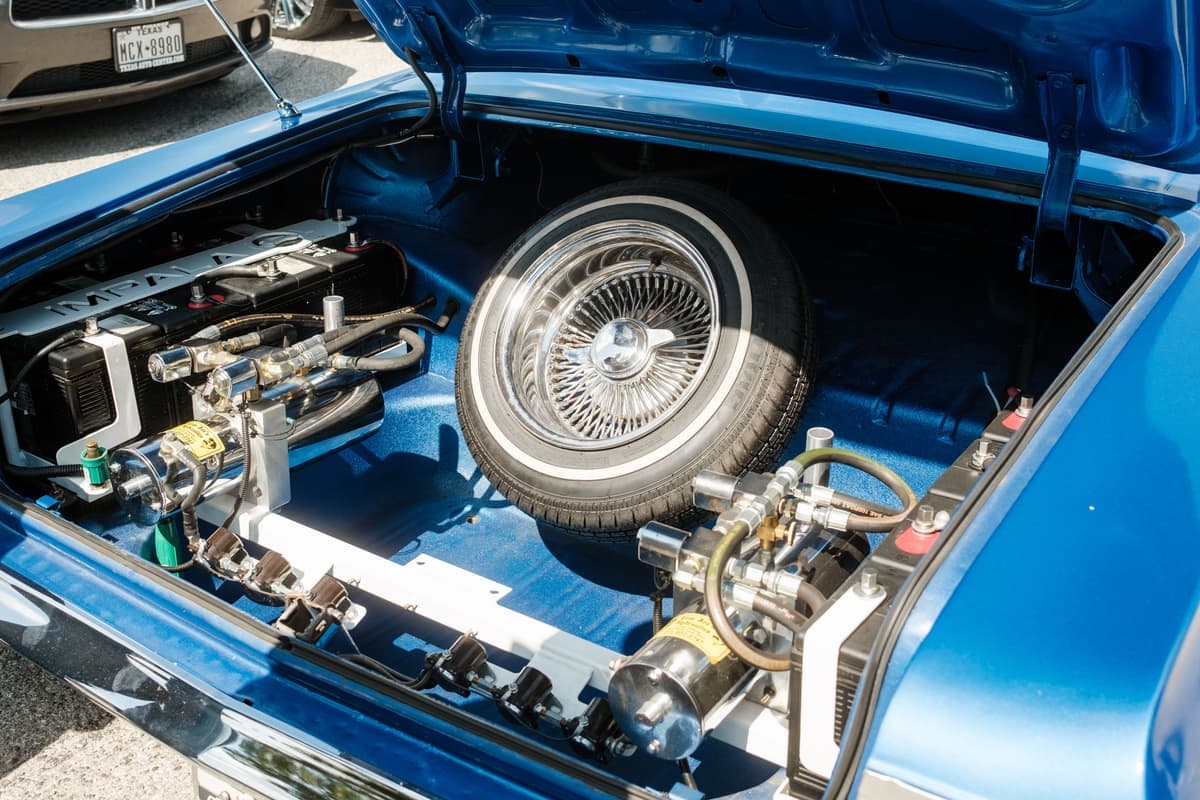
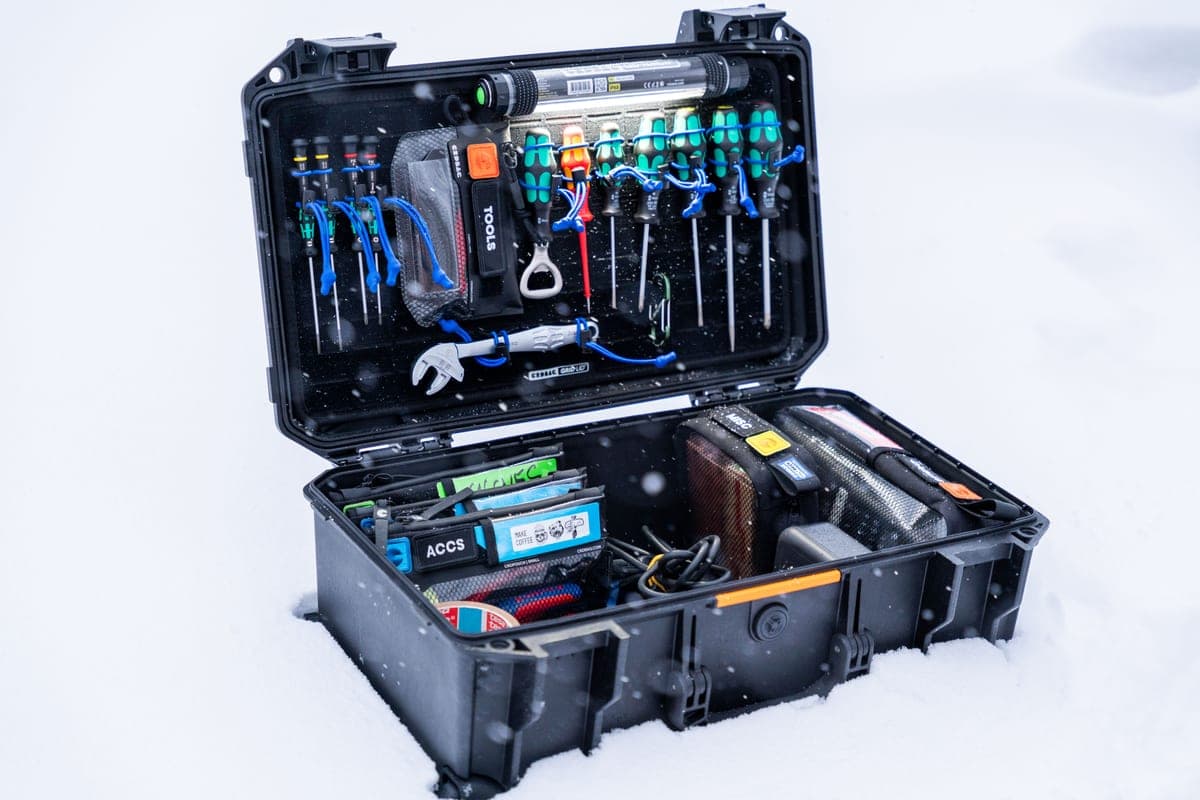
This hub is the assembly point for the rest of the site. The three tool categories — jump starters, tire inflators and battery chargers — each solve one failure. The trunk kit is the question of what you actually carry, in what order, given that trunk space is finite and every item you add is an item that has to still be there and still work in eighteen months.
That last constraint is why most advice on this topic is useless. A 94-item checklist assembled by someone who has never had to fit it around a stroller is a fantasy. The list that survives contact with real life is short, and ordered by how likely each item is to be the thing that gets you home.
- 1Be seen. Reflective triangles or flares. Cheap, batteryless, flat-packing, and the only item on this list that addresses the actual danger of a roadside stop rather than the inconvenience.
- 2Restore cranking. A jump pack sized to your engine. The most common single failure, and the fastest to fix yourself.
- 3Restore air. An inflator. The second most common, and the one that recurs monthly as a slow leak rather than an emergency.
- 4See what you are doing. A real flashlight with fresh cells, not the one that came in the kit.
- 5Hands and warmth. Gloves, a blanket, a jacket you would not mind ruining.
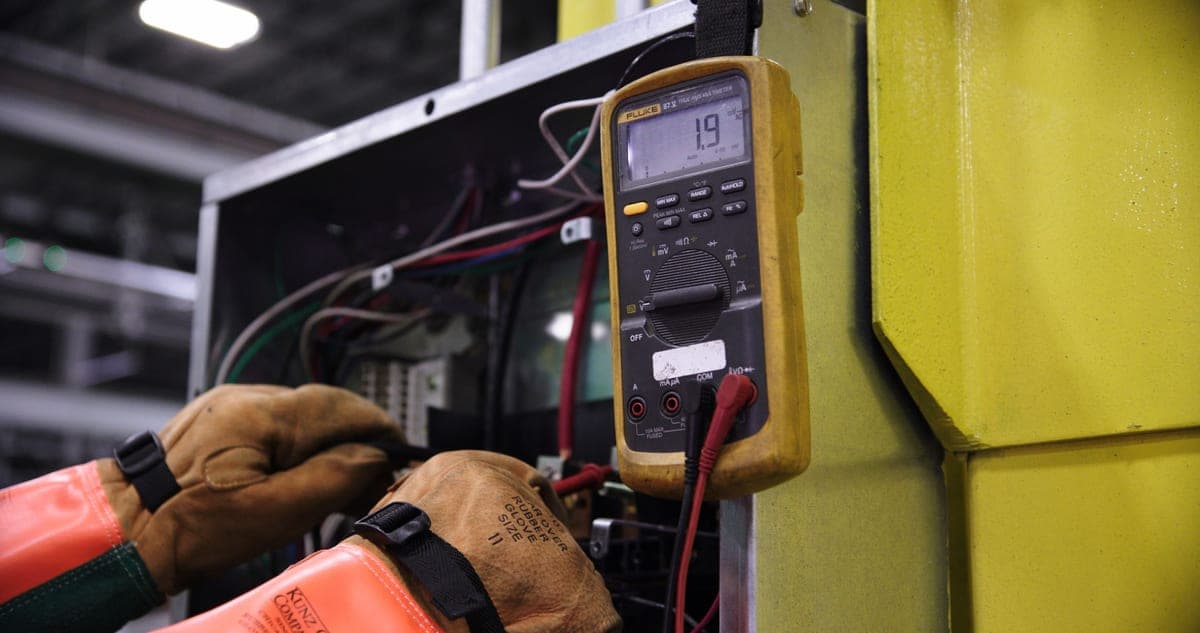
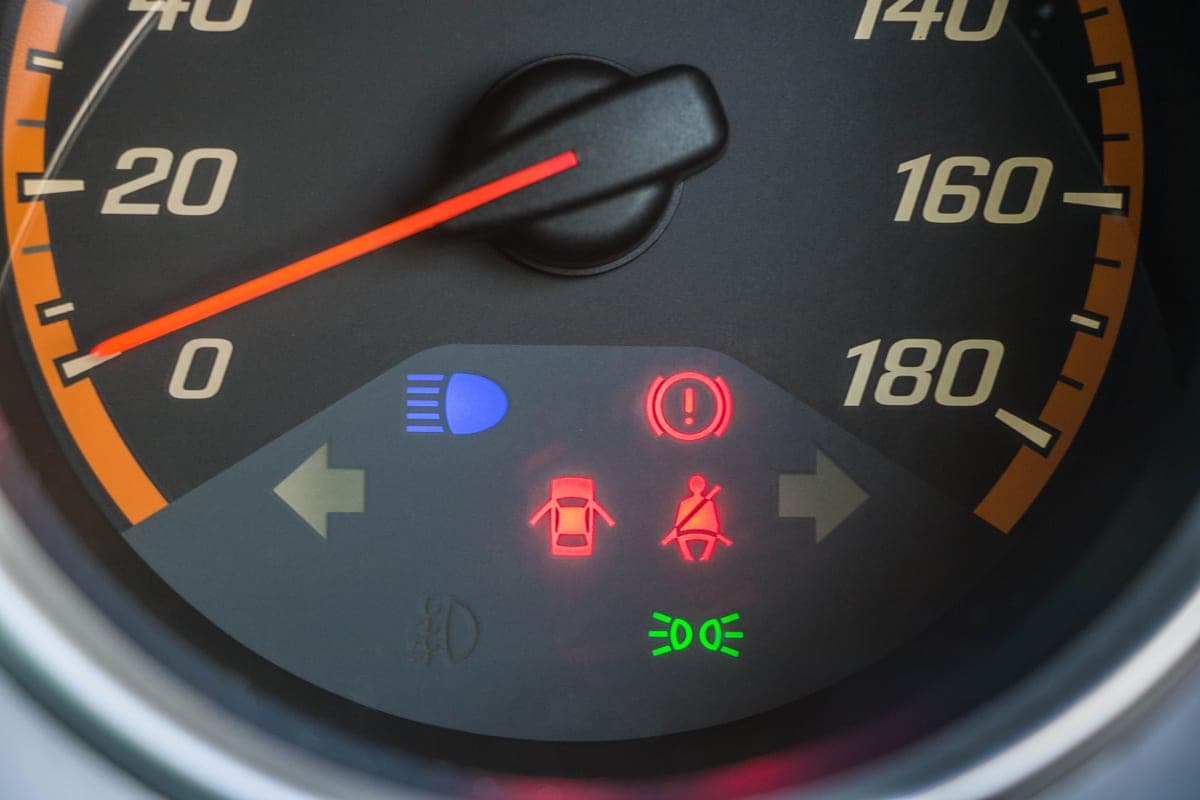
- 6Know what is wrong. A multimeter for electrical faults, an OBD2 reader for warning lights.
The full list, with the items most guides include that we think you can skip, is in the roadside emergency kit checklist.
Buy a pre-built kit if you currently have nothing. The honest case for them is not quality — it is that one purchase ends the procrastination, and the bag and the small consumables (ties, tape, gloves, a basic first-aid set) are things almost nobody buys individually. Then treat it as a base: the jumper cables and the flashlight in a pre-built kit are the first two things worth replacing, and no kit at this price point includes a jump starter or an inflator, which are the two items that actually get you moving. The kit roundup is explicit about what is and is not in the box.
Be skeptical of advertised item counts. A kit marketed as "110 pieces" is usually counting individual adhesive bandages.
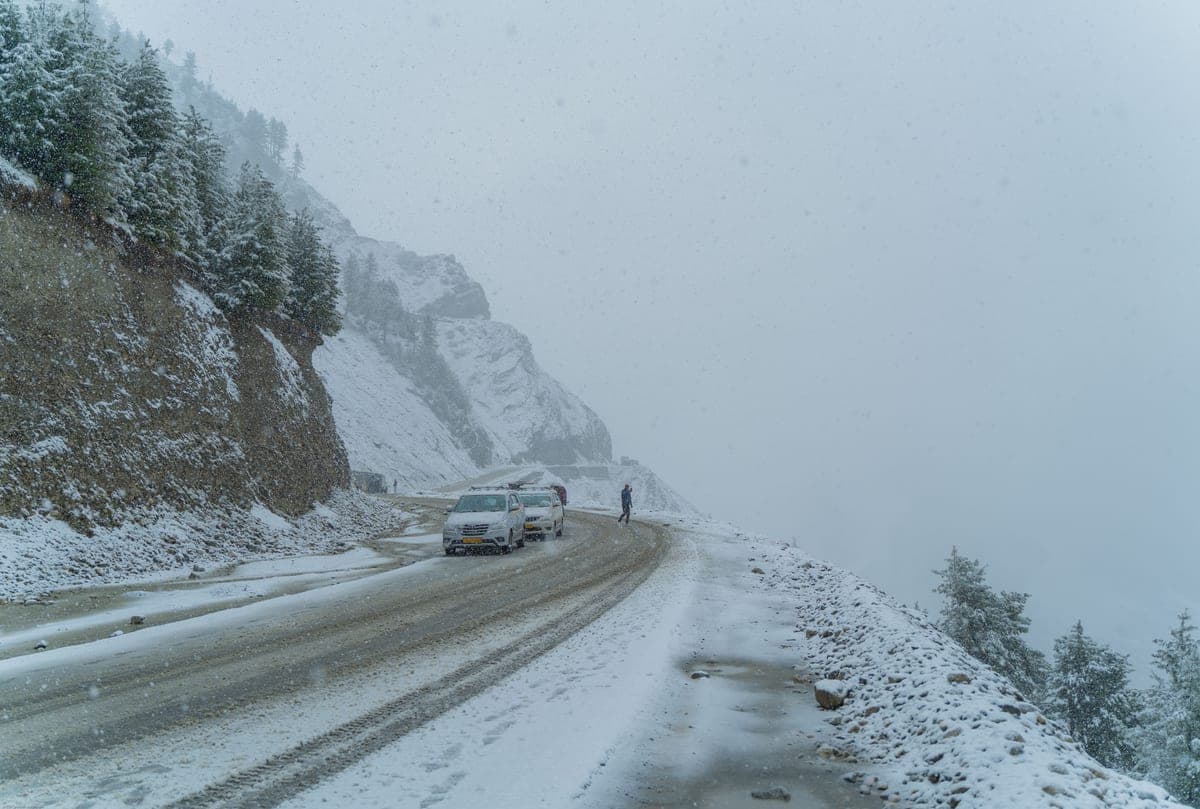
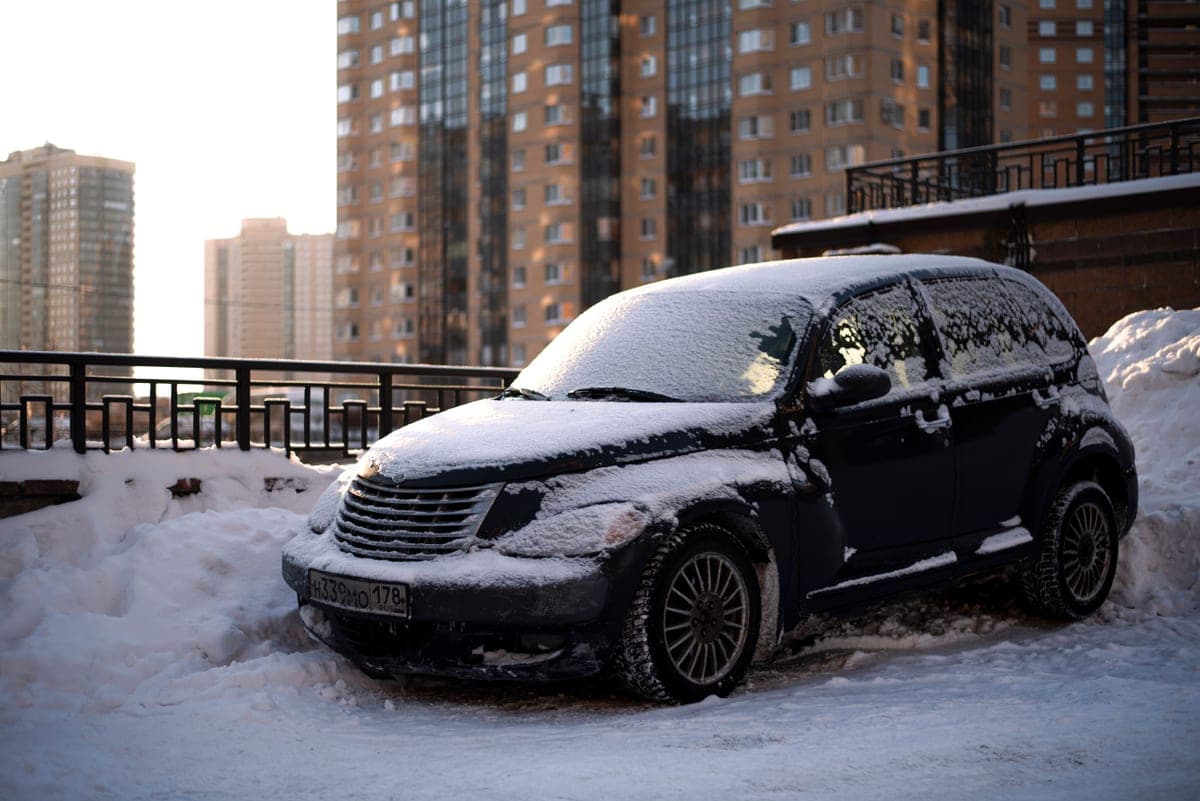
Cold does two things at once: it reduces what your battery can deliver and increases what your engine demands to turn over. That is why batteries fail in January rather than July, and it is why the kit that is adequate in summer is thin in winter. Why car batteries die in cold weather explains the mechanism, and the winter car kit covers what gets added when being stuck stops being an inconvenience and becomes an exposure problem.
The short version: a cold-rated jump pack with margin, warmth that does not depend on the engine running, traction (sand or cat litter), a folding shovel if you are somewhere it snows properly, food and water, and a phone power bank that is separate from your jump pack so one dead thing does not take out both.
A combo jump starter with a built-in compressor covers two of the three failures in one box, at a real cost in size, and with a compressor that is a convenience rather than a match for a dedicated inflator. Whether that is the right trade is genuinely a judgment call about your trunk space — the combo roundup argues both sides.
What does not overlap: nothing in a trunk kit prevents a battery from dying. That is a garage job, and it is what the charger and maintainer hub is for. And if you spend real time away from home, the road trip and travel hub covers what changes when the nearest parts store is four hours away and your pack has to survive a hot car.