Trunk Kit
The best OBD2 scan tools
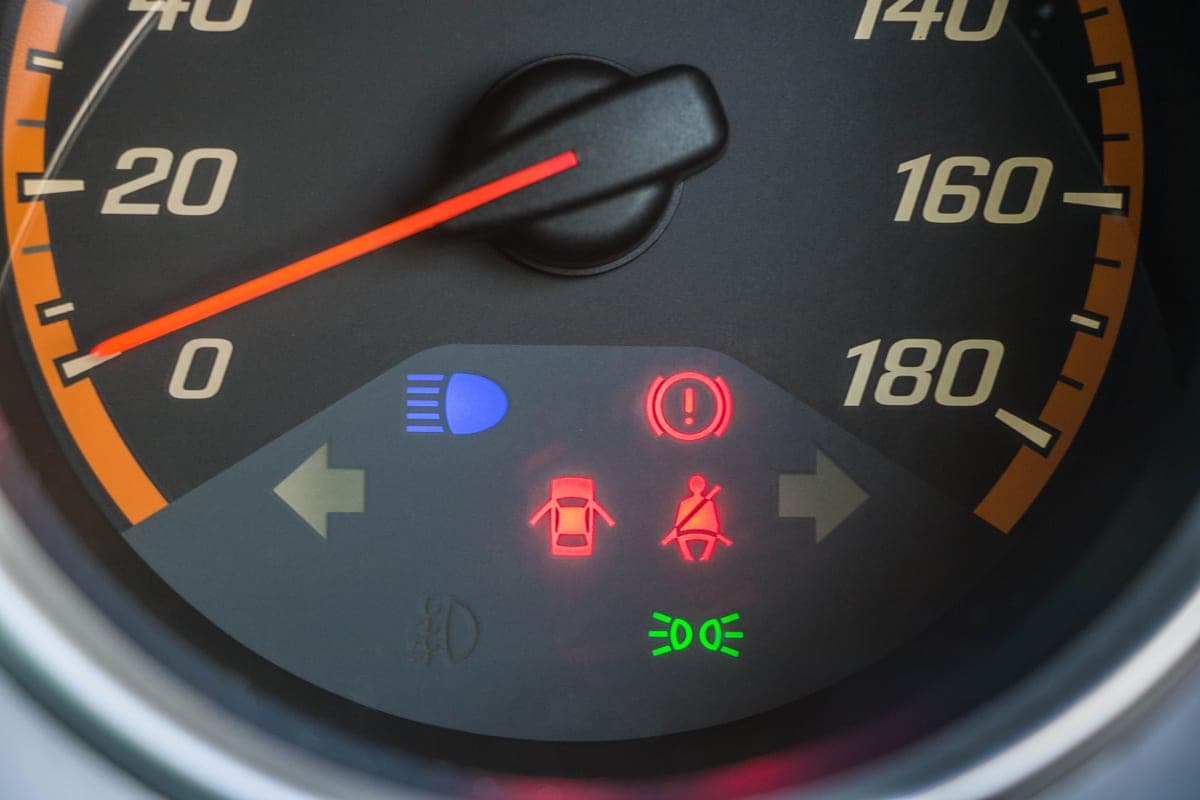
A warning light is an unknown until you read it. Then it is a code you can look up before anyone quotes you for anything.
Disclosure: we earn a commission if you buy through the Amazon links on this page, at no extra cost to you. Commission never decides a verdict or a ranking position — read our editorial policy and affiliate disclosure.
How we assessed these: picks are selected from manufacturer specifications, current retailer listings and published owner feedback — not from hands-on testing of every unit.
Short answer
A phone-paired OBD2 reader is enough for most drivers: it reads and clears diagnostic trouble codes and shows live data, so a warning light becomes a code you can research before agreeing to a repair. It will not diagnose a no-start, which is an electrical problem rather than an engine-management one.
Every car sold in the US since 1996 has an OBD2 port, usually under the dashboard on the driver's side. It is the same connector and the same core code set on every vehicle, which is why an inexpensive reader works across makes.
Quick picks
Tap any row to jump to the full write-up. Scoring criteria are published in full on our methodology page.
| # | Product | Best for | Our read | Price |
|---|---|---|---|---|
| 1 | BlueDriver Bluetooth OBD2 Scanner Best for most drivers | Reading a check-engine light yourself | Pairs to the phone you already carry | Check price on Amazon #ad Affiliate link · We show no price here; Amazon shows the current one |
| 2 | 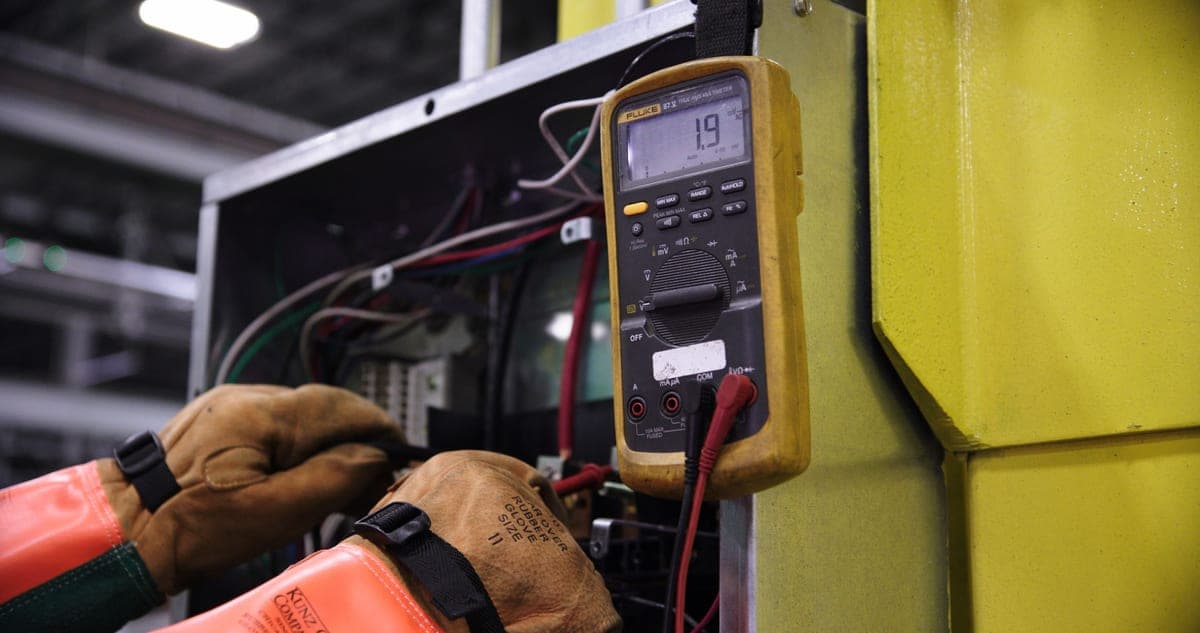 INNOVA 3320 Digital Multimeter The other half of diagnosis | Checking whether the battery is the problem | For electrical faults a code will not show | Check price on Amazon #ad Affiliate link · We show no price here; Amazon shows the current one |
| 3 | 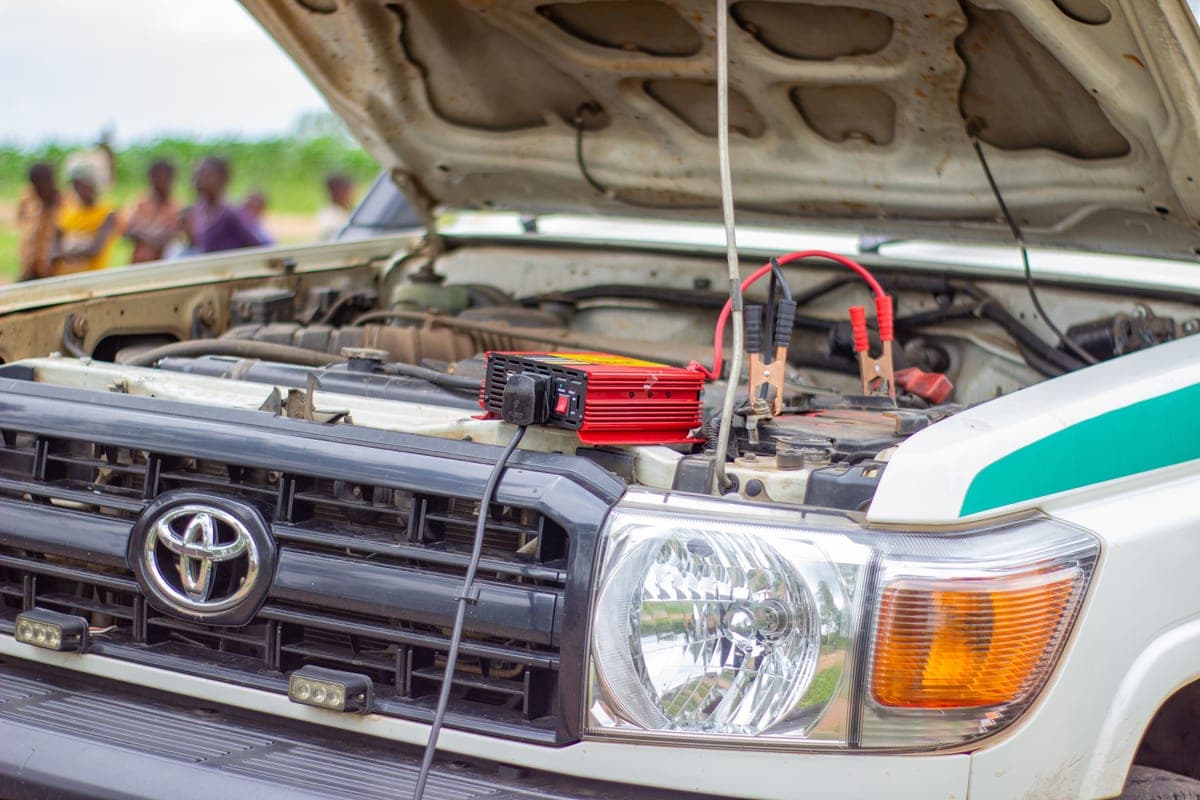 NOCO GENIUS5 What a low-voltage code often means | One car, charging and maintaining | Charging faults throw codes too | Check price on Amazon #ad Affiliate link · We show no price here; Amazon shows the current one |
What a scan tool actually does
- Reads diagnostic trouble codes. The five-character codes (P0301, P0420 and so on) that the engine computer stored when it detected a fault. This is the main function and the reason to own one.
- Clears codes, which turns the light off. Useful for confirming whether a fault recurs, and not a repair.
- Shows live data. Sensor readings in real time — coolant temperature, fuel trim, oxygen sensor voltages. This is where a reader stops being a code lookup and starts being diagnosis.
- Freeze-frame data. A snapshot of conditions at the moment the fault was logged, which is often the most diagnostically useful thing available.
- Readiness monitors. Whether the car will pass an emissions test, which is worth checking before you drive to one.
What it does not do
| What people expect | Reality |
|---|---|
| It tells you what part to replace | It tells you which circuit or system reported a fault. P0301 means cylinder 1 misfire — not which of five possible causes it is. |
| Clearing the code fixes it | The light returns when the fault recurs. Clearing is a diagnostic step, not a repair. |
| It diagnoses a no-start | Mostly no. A car that will not crank is a battery and starting-system problem — that is a multimeter job. |
| Every reader sees everything | Generic codes are universal; manufacturer-specific enhanced data varies a lot by make and by tool. |
| It reads ABS and airbag codes | Only if it explicitly supports those systems. Basic readers cover powertrain codes only. |
Phone-paired or standalone?
Phone-paired (a Bluetooth dongle plus an app) is the better value for most people: a bigger screen, easier code lookup, and no second device to charge. The cost is a dependency — a dead phone or an app that stops being supported takes the tool with it.
Standalone readers have their own screen and keep working regardless of your phone. They are the right choice if you want a tool in the glovebox that will work in ten years, and their screens and lookup interfaces are generally worse.
How to use a code productively
- Read the code and write it down before clearing anything. Note the freeze-frame data too.
- Look it up for your specific make and model, not generically. The same code frequently has different common causes on different engines.
- Check the cheap causes first. A P0455 large evaporative leak is a loose fuel cap surprisingly often. A misfire code may be a coil pack rather than anything internal.
- Note whether it is pending or confirmed. A pending code has been seen once; a confirmed code has recurred.
- If you take it to a shop, tell them the code. You are not diagnosing for them — you are arriving informed, which changes the conversation.
Meter or scanner first?
If your problem is that the car will not start, buy the multimeter. If your problem is a warning light on a car that runs, buy the scanner. They cover genuinely different systems, and the no-start case — the one this site is mostly about — is the meter's.
The picks
1. Best for most drivers
BlueDriver Bluetooth OBD2 Scanner
BlueDriver · Best for reading a check-engine light yourself
A phone-paired OBD2 reader turns a warning light from an unknown into a code you can look up before agreeing to any repair.
This manufacturer does not publish a full specification table for this model on its own site. Rather than repeat figures we cannot source, the assessment below is limited to what the product category and the retailer listing genuinely establish.
What works
- Reads and clears codes, so you learn whether a light is urgent before driving anywhere
- Uses the phone you already carry instead of another screen to charge
- Freeze-frame and live data go well past the basic code-reader tier
What does not
- Manufacturer-specific coverage is uneven — enhanced data varies a lot by make
- A cleared code is not a fixed fault; the light returns if the cause remains
- Depends on a phone and an app, which is one more failure point on a bad day
Skip it if
Not the tool for a no-start. A car that will not crank is a battery and starting-system problem, and a code reader tells you little about it.
#ad Affiliate link · We show no price here; Amazon shows the current one
2. The other half of diagnosis
INNOVA 3320 Digital Multimeter
INNOVA · Best for checking whether the battery is the problem
An auto-ranging meter is the difference between guessing and knowing whether you have a dead battery, a dead alternator or a parasitic drain.
This manufacturer does not publish a full specification table for this model on its own site. Rather than repeat figures we cannot source, the assessment below is limited to what the product category and the retailer listing genuinely establish.
What works
- Auto-ranging removes the main source of beginner error
- Reads resting and charging voltage, which is most of automotive electrical diagnosis
- Cheap enough that not owning one is hard to justify
What does not
- A voltage reading is not a load test — a battery can read 12.6 V and still fail under cranking load
- Entry-level leads are the weak point and are worth replacing
Skip it if
Not a scan tool. If you are chasing a check-engine light rather than an electrical fault, you want an OBD2 reader instead.
#ad Affiliate link · We show no price here; Amazon shows the current one
3. What a low-voltage code often means
NOCO GENIUS5
NOCO · Best for one car, charging and maintaining
The single most useful charger for one vehicle: 5 amps, 6 V and 12 V, batteries up to 120 Ah, and it can be left connected indefinitely.
Published specifications
What works
- 5 A recharges a car battery overnight and then holds it — one unit does both jobs
- Rated down to -4 °F, so it works in an unheated garage
- The 77-inch cable reaches from a wall outlet to most engine bays without an extension
- 3-year warranty, against 1 year on the jump-starter line
What does not
- 5 A is slow for a deeply discharged large battery — a 100 Ah battery is an all-nighter
- The 120 Ah ceiling rules out larger deep-cycle banks
Skip it if
Not enough charger if you are reviving deep-cycle RV or marine batteries. Step up to the GENIUS10 and its 230 Ah range.
#ad Affiliate link · We show no price here; Amazon shows the current one
Raw specifications: NOCO’s own page for the NOCO GENIUS5.
Key takeaways
- Every US car since 1996 has the same OBD2 port and core code set.
- A code names the system that reported a fault, not the part to replace.
- Clearing a code is a diagnostic step, not a repair.
- Phone-paired is better value; standalone is more durable.
- Unplug Bluetooth dongles — some draw current with the car off.
How we sourced this
Every figure on this page came from one of the following. Where a manufacturer or regulator does not publish a number, we say so rather than estimate it.
Common questions
- What does an OBD2 scanner tell you?
- It reads the diagnostic trouble codes the engine computer stored when it detected a fault, plus live sensor data and a freeze-frame snapshot of conditions when the fault was logged. It tells you which system reported a problem, not which part to replace.
- Will clearing a code fix the problem?
- No. Clearing turns the light off, and it comes back when the fault recurs. It is useful as a diagnostic step — clear it, drive, and see whether it returns — but it repairs nothing.
- Can an OBD2 scanner diagnose a car that won't start?
- Usually not. A car that will not crank has a battery or starting-system problem, which is electrical rather than engine-management, and a code reader has little to say about it. Use a multimeter for that.
- Are cheap OBD2 scanners any good?
- For reading and clearing generic powertrain codes, yes — the core code set is standardized. Where cheap tools fall short is manufacturer-specific enhanced data, ABS and airbag systems, and live-data refresh rates. Those are the reasons to spend more.
More in Trunk Kit
What actually lives in the trunk, in the order it earns its space — and the pre-built kits that are a starting point rather than an answer.
Read next
Best Automotive Multimeters
Best Multimeters
Meters for automotive electrical work, the readings that actually diagnose a no-start, and the one thing a voltmeter cannot measure.
Guide
Emergency Kit Checklist
The short list that survives contact with a real trunk, in priority order, plus what to skip and what to check twice a year.
Troubleshooting
Jump Starter Not Working
A symptom-by-symptom walk through the common failures, and how to tell a dead pack from a pack that is refusing to engage on purpose.
Head to head
Jump Starter vs Charger
The away-from-home tool against the at-home tool, which to buy first, and how to tell which your situation actually calls for.
Found something out of date, or a figure you can source better than we did? Tell us — corrections get read first. Our methodology explains how picks are made, and contact is one click away.