Battery Chargers
Jump starter vs battery charger
Two halves of one problem. One works anywhere and fixes nothing; the other fixes the cause and needs an outlet.
Disclosure: we earn a commission if you buy through the Amazon links on this page, at no extra cost to you. Commission never decides a verdict or a ranking position — read our editorial policy and affiliate disclosure.
How we assessed these: figures here are either published manufacturer specifications, cited inline, or arithmetic shown in full so you can check it. Nothing is asserted from memory.
Short answer
A jump starter gets the engine running anywhere, in seconds, and does nothing for the battery. A charger repairs the battery's state of charge over hours and needs a wall outlet. If your battery keeps dying, buy the charger. If you drive far from home, buy the pack.
| Jump starter | Battery charger | |
|---|---|---|
| Where it works | Anywhere | Within reach of a wall outlet |
| Time to result | Seconds | Hours to overnight |
| What it fixes | Nothing — it bypasses the problem | The battery's state of charge |
| Helps a battery last longer | No | Yes, substantially |
| Useful on a roadside | Yes — the whole point | No |
| Needs charging itself | Yes, quarterly | No |
| Degrades in a hot trunk | Yes, permanently | Lives indoors |
| Typical cost | Higher | Lower |
Which to buy first
It depends entirely on which problem you have, and most people know which:
- "It died once, in a car park, and I felt stranded." Buy the pack. The thing you are actually buying is not solving a battery problem, it is not being dependent on a stranger. That is worth real money and it is what this site's readers mostly want.
- "It keeps dying, and I keep jumping it." Buy the charger. Repeated jumps mean the battery is undercharged, failing, or something is draining it — and every jump is a symptom, not a fix.
- "It sits for weeks between uses." Buy a maintainer. This is prevention, and it is the cheapest of the three.
- "I drive a long way from anywhere." Buy the pack, sized with margin. Then buy the charger, because the pack is not a plan for a battery that is failing.
The physics, briefly, because it explains everything else
A jump starter is a current device. It delivers hundreds or thousands of amps for a few seconds — enough to turn a starter motor — and it stores very little total energy. A NOCO GB40 holds 24 watt-hours and starts a 6.0-liter gas engine.
A charger is an energy device. It delivers a modest current for hours, replacing the amp-hours the battery lost. A NOCO GENIUS5 delivers 5 amps, which over an overnight session is roughly 40 amp-hours of charge.
Neither substitutes for the other, and that is not a market segmentation decision — it is why one fits in a door pocket and the other plugs into a wall.
How to tell whether your battery is the problem
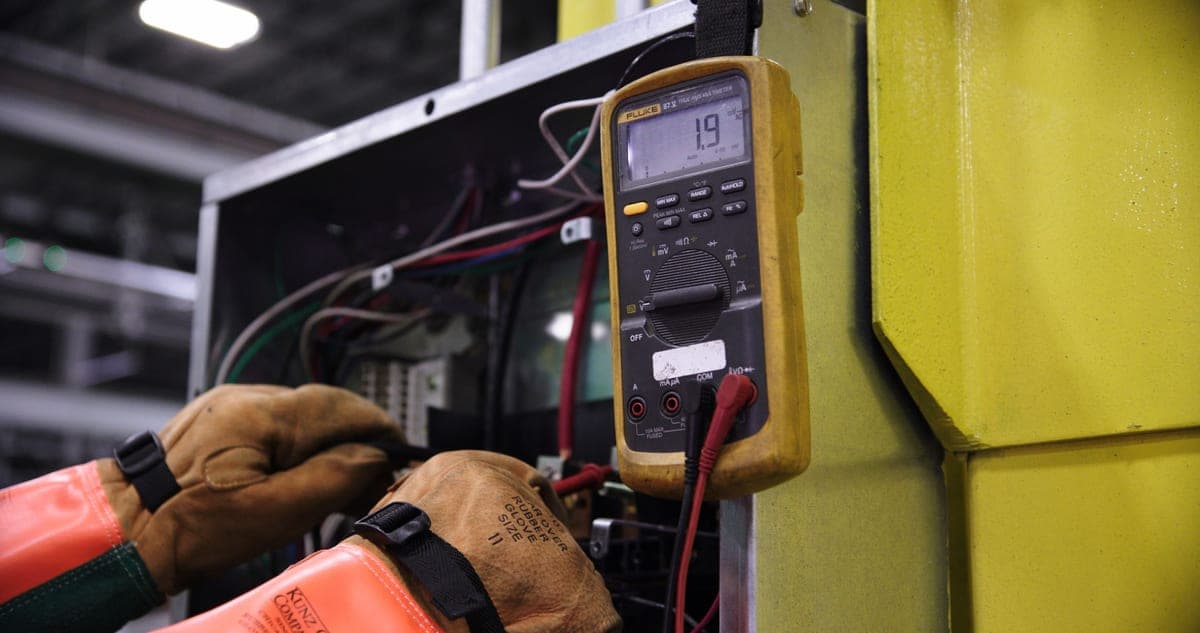
A multimeter answers this in thirty seconds. Measure resting voltage with the car off and settled: around 12.6 V is healthy, about 12.4 V is three-quarters charged, below roughly 12.0 V is significantly discharged. Then start the engine and measure again: roughly 13.7-14.7 V means the alternator is charging.
Shut off, wait a few hours, measure once more. A battery that falls straight back to where it started is not holding charge, and it needs replacing rather than charging. Whether a jump starter will start a dead battery walks through the full diagnosis.
The honest recommendation
Both, eventually, and in this order: a maintainer or charger first if the battery is the recurring problem, a pack first if being stranded is the fear. Together they cost less than one tow and one battery, and the charger will genuinely extend the battery's life rather than repeatedly rescuing it.
1. Buy this first if you drive far from home
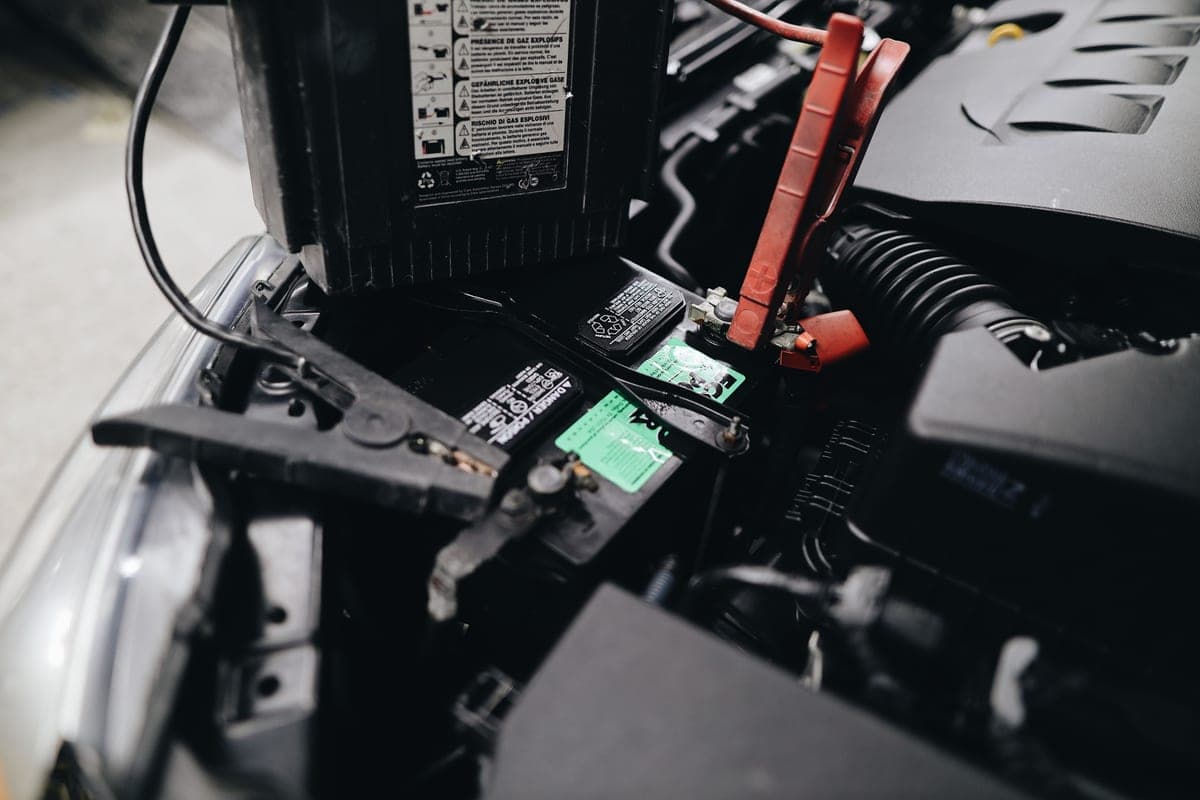
NOCO Boost Plus GB40
NOCO · Best for most cars and small suvs
The default answer for a four- or six-cylinder car: 1,000 peak amps, 24 watt-hours, and light enough that it actually stays in the trunk.
Published specifications
What works
- 24 Wh sits far under the 100 Wh carry-on threshold, so flying with it needs no airline approval
- 2.45 lb and pocketable — the size that decides whether a tool is still in the trunk six months later
- IP65 enclosure, so a wet shoulder in the rain is not a problem
- Reverse-polarity protection means a backwards clamp does not spark
What does not
- 1,000 peak amps runs out of headroom above a 6.0 L gas engine
- The 3.0 L diesel ceiling rules out most modern diesel pickups
- 24 Wh is a small reserve — it is a jump starter, not a power bank substitute
Skip it if
Not the one to buy if you drive a diesel pickup or a big V8. You would be at the edge of its rating on a cold morning, which is exactly when you want margin.
#ad Affiliate link · We show no price here; Amazon shows the current one
Raw specifications: NOCO’s own page for the NOCO Boost Plus GB40.
2. Buy this first if the battery keeps dying
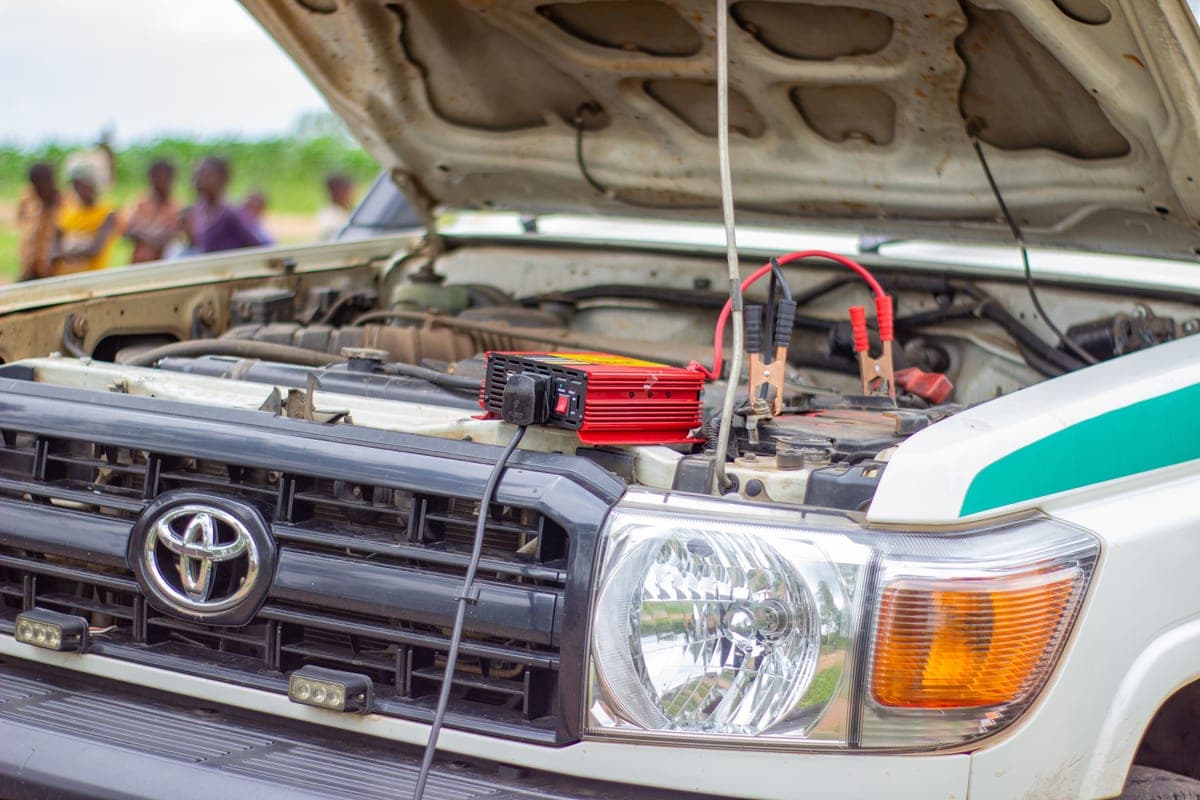
NOCO GENIUS5
NOCO · Best for one car, charging and maintaining
The single most useful charger for one vehicle: 5 amps, 6 V and 12 V, batteries up to 120 Ah, and it can be left connected indefinitely.
Published specifications
What works
- 5 A recharges a car battery overnight and then holds it — one unit does both jobs
- Rated down to -4 °F, so it works in an unheated garage
- The 77-inch cable reaches from a wall outlet to most engine bays without an extension
- 3-year warranty, against 1 year on the jump-starter line
What does not
- 5 A is slow for a deeply discharged large battery — a 100 Ah battery is an all-nighter
- The 120 Ah ceiling rules out larger deep-cycle banks
Skip it if
Not enough charger if you are reviving deep-cycle RV or marine batteries. Step up to the GENIUS10 and its 230 Ah range.
#ad Affiliate link · We show no price here; Amazon shows the current one
Raw specifications: NOCO’s own page for the NOCO GENIUS5.
3. Buy this to know which you need
INNOVA 3320 Digital Multimeter
INNOVA · Best for checking whether the battery is the problem
An auto-ranging meter is the difference between guessing and knowing whether you have a dead battery, a dead alternator or a parasitic drain.
This manufacturer does not publish a full specification table for this model on its own site. Rather than repeat figures we cannot source, the assessment below is limited to what the product category and the retailer listing genuinely establish.
What works
- Auto-ranging removes the main source of beginner error
- Reads resting and charging voltage, which is most of automotive electrical diagnosis
- Cheap enough that not owning one is hard to justify
What does not
- A voltage reading is not a load test — a battery can read 12.6 V and still fail under cranking load
- Entry-level leads are the weak point and are worth replacing
Skip it if
Not a scan tool. If you are chasing a check-engine light rather than an electrical fault, you want an OBD2 reader instead.
#ad Affiliate link · We show no price here; Amazon shows the current one
Key takeaways
- A pack is a current device for seconds; a charger is an energy device for hours.
- A pack fixes nothing about the battery — it bypasses it.
- Repeated jump starts mean buy a charger, not a bigger pack.
- A charger needs an outlet, which the roadside does not have.
- A multimeter tells you which tool your situation actually calls for.
How we sourced this
Every figure on this page came from one of the following. Where a manufacturer or regulator does not publish a number, we say so rather than estimate it.
Common questions
- Should I buy a jump starter or a battery charger?
- Buy the charger if the battery keeps dying — every jump is a symptom rather than a fix. Buy the jump starter if your concern is being stranded away from home, because there is no wall outlet on a roadside. Most drivers eventually want both.
- Can a jump starter charge a car battery?
- Not meaningfully. A jump pack holds very little total energy — a NOCO GB40 is 24 watt-hours — and delivers it as a brief high-current burst. Charging a car battery needs tens of amp-hours delivered over hours, which is what a mains charger does.
- Can a battery charger jump start a car?
- Some high-current shop chargers include an engine-start assist mode that can, given a few minutes on charge first. But they need a wall outlet, so they solve the driveway version of the problem and not the roadside one.
- Why does my battery keep dying even though I jump it?
- Because a jump start bypasses the battery rather than repairing it. Either something is drawing current with the car off, the alternator is not replacing what is used, or the battery has lost capacity. A multimeter plus a free load test at a parts store identifies which.
More in Battery Chargers
A jump pack gets you moving. A charger is how you stop needing one. This is the home half of the problem.
Read next
Guide
Will It Start a Dead Battery?
The difference between a discharged battery and a failed one, what a pack can and cannot do about each, and how to tell which you have.
Best Car Battery Chargers
Best Car Battery Chargers
Our main charger roundup: 1 A to 10 A units matched to battery capacity, with published cold ratings and warranties.
Best Automotive Multimeters
Best Multimeters
Meters for automotive electrical work, the readings that actually diagnose a no-start, and the one thing a voltmeter cannot measure.
Best Portable Jump Starters
Best Portable Jump Starters
Our main roundup: five packs from compact to heavy-duty, ranked on the engine rating the manufacturer will actually stand behind.
Found something out of date, or a figure you can source better than we did? Tell us — corrections get read first. Our methodology explains how picks are made, and contact is one click away.