Battery Chargers
The best jump starter and battery charger combos
The two jobs pull in opposite directions: seconds of enormous current versus hours of gentle current. Here is where one box genuinely works.
Disclosure: we earn a commission if you buy through the Amazon links on this page, at no extra cost to you. Commission never decides a verdict or a ranking position — read our editorial policy and affiliate disclosure.
How we assessed these: picks are selected from manufacturer specifications, current retailer listings and published owner feedback — not from hands-on testing of every unit. Where a manufacturer does not publish a figure, it is left out rather than estimated.
Short answer
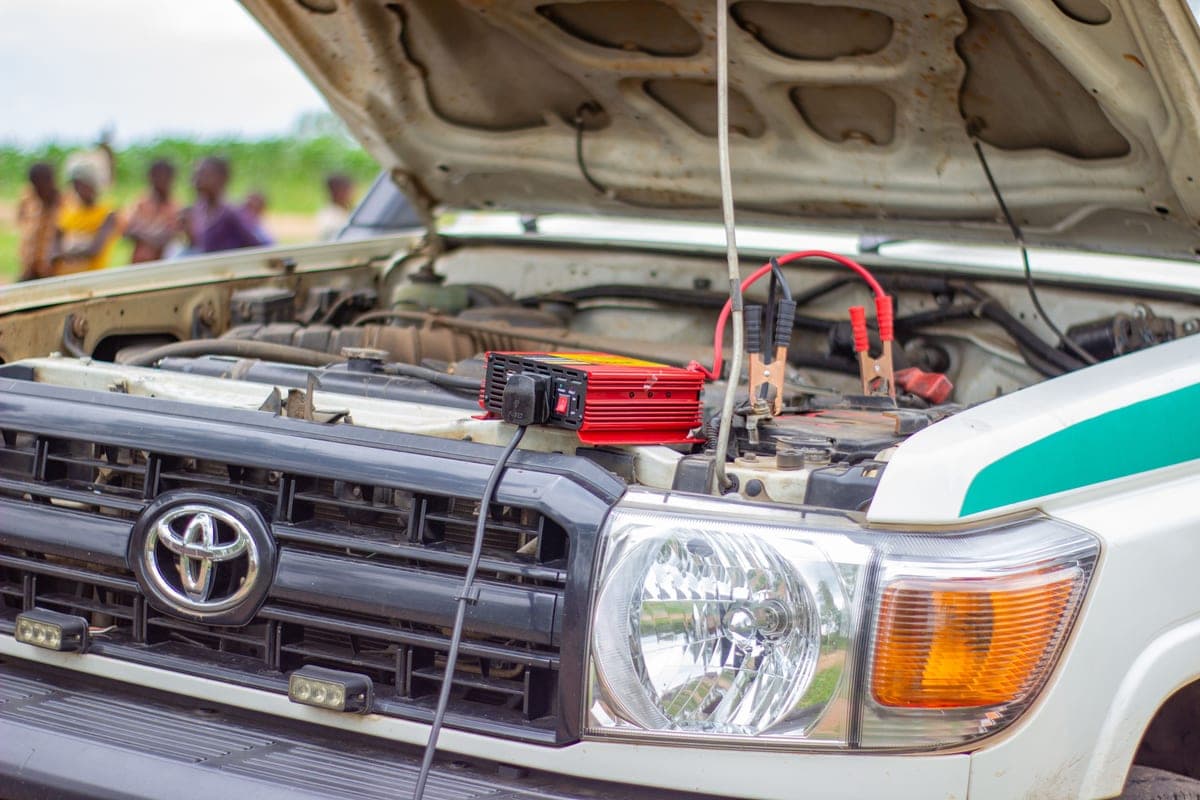
There are two different products sold as combos. A mains charge-and-start unit charges a battery properly and can assist a start — useful in a garage, useless on a roadside. A portable jump station jumps and often inflates, but does not charge a battery in any meaningful sense. Know which you are buying.
Combining a jump starter and a charger sounds like obvious efficiency. It mostly is not, because the two jobs are opposites — and understanding why makes the listings much easier to read.
Quick picks
Tap any row to jump to the full write-up. Scoring criteria are published in full on our methodology page.
| # | Product | Best for | Our read | Price |
|---|---|---|---|---|
| 1 |  Schumacher SC1281 Best true charge-and-start unit | Fast charging plus engine-start assist | Charges properly, and assists a start | Check price on Amazon #ad Affiliate link · We show no price here; Amazon shows the current one |
| 2 |  DEWALT DXAEJ14 Power Station Best portable one-box station | One box that jumps and inflates | Jumps and inflates; AC in, not out | Check price on Amazon #ad Affiliate link · We show no price here; Amazon shows the current one |
| 3 |  STANLEY FATMAX J7CS Best budget one-box station | A cheap one-box jump-and-inflate station | Same idea, V6 rating, cheaper | Check price on Amazon #ad Affiliate link · We show no price here; Amazon shows the current one |
| 4 | NOCO GENIUS5 The two-tool answer, charger half | One car, charging and maintaining | 5 A, 120 Ah, does the charging job properly | Check price on Amazon #ad Affiliate link · We show no price here; Amazon shows the current one |
| 5 | 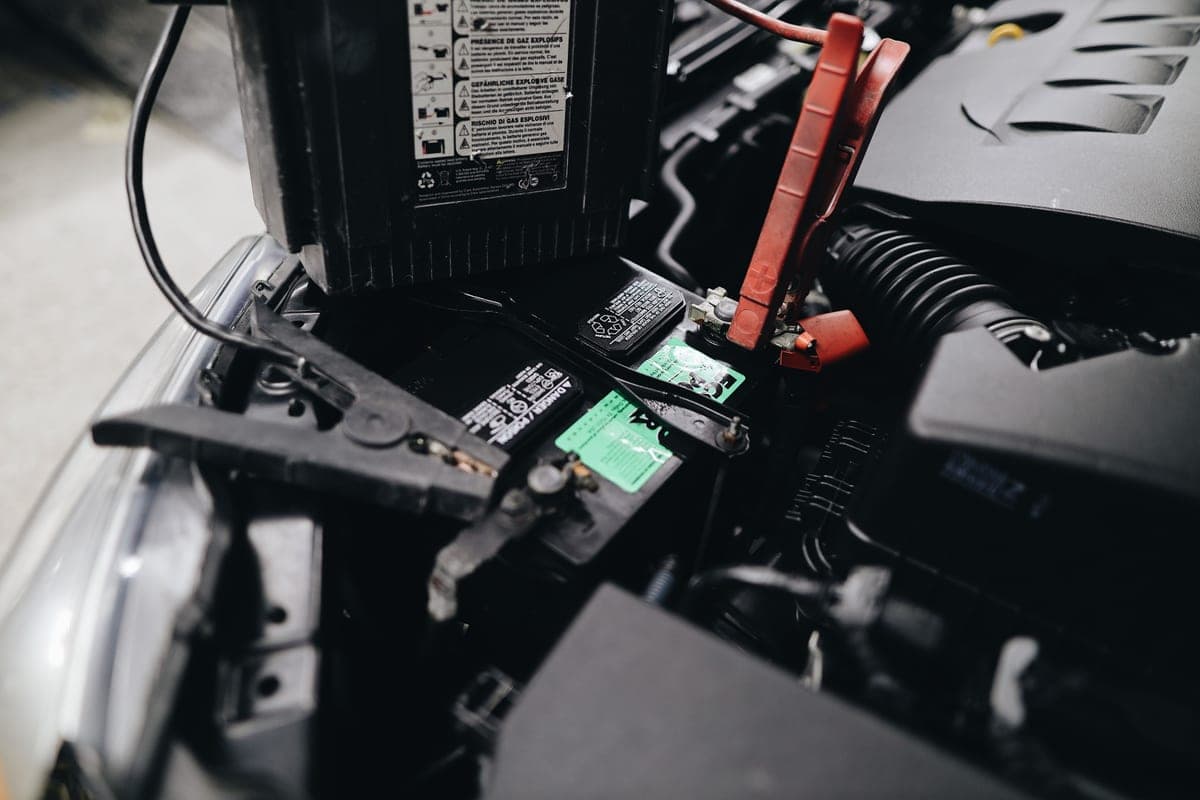 NOCO Boost Plus GB40 The two-tool answer, pack half | Most cars and small SUVs | Works where there is no outlet | Check price on Amazon #ad Affiliate link · We show no price here; Amazon shows the current one |
Why the two jobs fight each other
Jump starting is a current problem. Hundreds or thousands of amps for a few seconds, which needs high-discharge cells, thick conductors and heavy clamps. Total stored energy barely matters: a NOCO GB40 holds 24 watt-hours and starts a 6.0-liter engine.
Charging is an energy problem. A few amps for hours, replacing tens of amp-hours, which needs a mains supply and a multi-stage charge algorithm. A NOCO GENIUS5 delivers 5 amps and needs a wall socket.
So the honest summary: a portable pack cannot charge a battery because it does not hold enough energy, and a mains charger cannot rescue you because there is no outlet on a roadside. The full comparison.
The two things sold as “combos”
| Mains charge-and-start unit | Portable jump station | |
|---|---|---|
| Power source | Wall outlet | Its own internal battery |
| Charges a battery properly | Yes — this is its main job | No |
| Starts an engine | Assist mode, plugged in | Yes, anywhere |
| Works on a roadside | No | Yes |
| Usually also inflates | No | Often |
| “AC” in the listing means | It runs on mains | It recharges from mains — an input |
| Example here | Schumacher SC1281 | DEWALT DXAEJ14, STANLEY J7CS |
The AC row is the one people misread most. On a portable station, a built-in AC charger recharges the unit — it is not an outlet you can plug things into. More on that.
Where a combo genuinely earns its place
- A garage with one car, and you want one tool. A mains charge-and-start unit covers the flat-battery-in-the-driveway case completely, and it recovers the battery rather than just bypassing it.
- A truck bed or a workshop where nothing is precious. A lead-acid portable station takes abuse, is untroubled by a hot trunk, and adds a compressor.
- You would genuinely rather carry one heavy thing than two light ones. That is a real preference and this is the category that serves it.
Where two tools win
If you drive away from home. The mains unit is dead weight on a trip, and the portable station is heavy for what it does. A compact lithium pack plus a mains charger at home covers both ends properly for similar money.
If you fly, or space is tight. Every mainstream lithium pack is under the 100 Wh carry-on threshold; no lead-acid station is going anywhere near an aircraft. Flying with a jump starter.
If reliability matters most. One box is a single point of failure for both jobs. Two tools mean one failing does not cost you the other — the same argument as the air compressor combo trade.
The picks
1. Best true charge-and-start unit
Schumacher SC1281
Schumacher · Best for fast charging plus engine-start assist
A shop-style charger for the garage: high charge current plus an engine-start mode, for people who would rather fix the battery than carry a pack.
This manufacturer does not publish a full specification table for this model on its own site. Rather than repeat figures we cannot source, the assessment below is limited to what the product category and the retailer listing genuinely establish.
What works
- Charge currents well above a maintainer, so a flat battery is back in hours not overnight
- Engine-start assist covers the case where the battery is too far gone to take a charge quickly
- Automatic voltage detection reduces the chance of selecting the wrong mode
What does not
- Mains-powered and bulky — a garage tool, not a trunk tool
- High-current charging is harder on an ageing battery than a slow charge
- Engine-start mode is no substitute for a portable pack away from home
Skip it if
Useless on the roadside — there is no outlet on the shoulder of a highway. This is the home half of the problem; a lithium pack is the away half.
#ad Affiliate link · We show no price here; Amazon shows the current one
2. Best portable one-box station
DEWALT DXAEJ14 Power Station
DEWALT · Best for one box that jumps and inflates
A lead-acid jump station with a built-in 120 PSI digital compressor and USB power — the combo box for people who would rather carry one heavy thing than two light ones.
Published specifications
- Jump starting
- 1,400 peak amps / 700 instant starting amps, rated to V8 source
- Air compressor
- 120 PSI digital, with autostop source
- USB output
- Dual USB, up to 3.1 A combined source
- Battery types
- 12 V AGM, gel and wet source
- AC
- Built-in AC charger (charging input — this unit has no AC power outlet) source
- Cables
- 3 ft 4-gauge, metal clamps source
- Warranty
- 1-year limited source
What works
- Jump starter, 120 PSI compressor and USB power in a single case
- Lead-acid chemistry is untroubled by living in a hot trunk
- Handle-and-case format survives being thrown in a truck bed
- Built-in AC charger means no separate brick to lose
What does not
- Heavy and bulky next to any lithium pack — the usual reason combo boxes end up in the garage
- Lead-acid self-discharges, so it needs topping up on a schedule or it is flat when you need it
- The built-in compressor is a convenience feature, not a match for a dedicated inflator's duty cycle
Skip it if
Not for anyone whose priority is packed size or carry-on travel. If the tool has to fit a door pocket or a suitcase, buy a lithium pack and a separate inflator.
#ad Affiliate link · We show no price here; Amazon shows the current one
3. Best budget one-box station
STANLEY FATMAX J7CS
STANLEY · Best for a cheap one-box jump-and-inflate station
A lead-acid station with a 120 PSI compressor and triple USB, rated to V6 — the budget end of the one-box category, and honest about being it.
Published specifications
- Jump starting
- 700 peak amps / 350 instant starting amps, rated to V6 source
- Air compressor
- 120 PSI, backlit gauge source
- USB output
- Triple USB ports source
- Battery types
- 12 V AGM, gel and wet lead-acid source
- AC
- Built-in 120 V AC charger (charging input — not an AC power outlet) source
- Light
- LED, rotates 270 degrees source
What works
- Jump starting, a 120 PSI compressor and USB charging in one case at the cheapest point in the category
- Built-in AC charger, so there is no separate brick to lose
- Reverse-polarity alarm, and metal clamps rather than the plastic ones at this price
- Lead-acid, so a hot trunk does not permanently cost it capacity
What does not
- 700 peak / 350 instant amps and a V6 rating — this is not a truck or diesel tool
- Lead-acid self-discharges, so it needs topping up on a schedule or it is flat when you need it
- Heavier and bulkier than a lithium pack of equivalent starting ability
Skip it if
Not enough pack for a V8, a diesel or anything you rely on in the cold. STANLEY rates it to V6, and buying at the edge of a rating is how people end up stranded twice.
#ad Affiliate link · We show no price here; Amazon shows the current one
Raw specifications: STANLEY’s own page for the STANLEY FATMAX J7CS.
4. The two-tool answer, charger half
NOCO GENIUS5
NOCO · Best for one car, charging and maintaining
The single most useful charger for one vehicle: 5 amps, 6 V and 12 V, batteries up to 120 Ah, and it can be left connected indefinitely.
Published specifications
What works
- 5 A recharges a car battery overnight and then holds it — one unit does both jobs
- Rated down to -4 °F, so it works in an unheated garage
- The 77-inch cable reaches from a wall outlet to most engine bays without an extension
- 3-year warranty, against 1 year on the jump-starter line
What does not
- 5 A is slow for a deeply discharged large battery — a 100 Ah battery is an all-nighter
- The 120 Ah ceiling rules out larger deep-cycle banks
Skip it if
Not enough charger if you are reviving deep-cycle RV or marine batteries. Step up to the GENIUS10 and its 230 Ah range.
#ad Affiliate link · We show no price here; Amazon shows the current one
Raw specifications: NOCO’s own page for the NOCO GENIUS5.
5. The two-tool answer, pack half
NOCO Boost Plus GB40
NOCO · Best for most cars and small suvs
The default answer for a four- or six-cylinder car: 1,000 peak amps, 24 watt-hours, and light enough that it actually stays in the trunk.
Published specifications
What works
- 24 Wh sits far under the 100 Wh carry-on threshold, so flying with it needs no airline approval
- 2.45 lb and pocketable — the size that decides whether a tool is still in the trunk six months later
- IP65 enclosure, so a wet shoulder in the rain is not a problem
- Reverse-polarity protection means a backwards clamp does not spark
What does not
- 1,000 peak amps runs out of headroom above a 6.0 L gas engine
- The 3.0 L diesel ceiling rules out most modern diesel pickups
- 24 Wh is a small reserve — it is a jump starter, not a power bank substitute
Skip it if
Not the one to buy if you drive a diesel pickup or a big V8. You would be at the edge of its rating on a cold morning, which is exactly when you want margin.
#ad Affiliate link · We show no price here; Amazon shows the current one
Raw specifications: NOCO’s own page for the NOCO Boost Plus GB40.
Key takeaways
- Jump starting is a current problem; charging is an energy problem.
- A portable pack cannot meaningfully charge a battery.
- A mains charge-and-start unit is useless on a roadside.
- “Built-in AC charger” on a portable station is an input, not an outlet.
- Two tools beat one box if you travel, fly, or want no single point of failure.
How we sourced this
Every figure on this page came from one of the following. Where a manufacturer or regulator does not publish a number, we say so rather than estimate it.
Common questions
- Is a jump starter and battery charger combo worth it?
- It depends which product you mean. A mains charge-and-start unit is genuinely useful in a garage, because it recovers the battery rather than bypassing it. A portable jump station jumps and often inflates but does not charge a battery meaningfully — the two jobs need different hardware.
- Can a jump starter charge a car battery?
- Not meaningfully. A jump pack holds very little total energy — a NOCO GB40 is 24 watt-hours — and delivers it as a brief high-current burst. Charging a car battery means replacing tens of amp-hours over hours, which needs a mains charger.
- Does a jump starter with a built-in AC charger give me a power outlet?
- No. A built-in AC charger is how the unit recharges itself from a wall socket — power flowing in. A household outlet you can plug devices into requires an inverter and is rare on jump starters; that is a power station's job.
- Should I buy a combo or two separate tools?
- Two tools if you drive away from home, fly, or want no single point of failure — a compact lithium pack plus a mains charger covers both ends properly. A combo if you want one item for a garage and one car, and you would rather carry one heavy thing than two light ones.
More in Battery Chargers
A jump pack gets you moving. A charger is how you stop needing one. This is the home half of the problem.
Read next
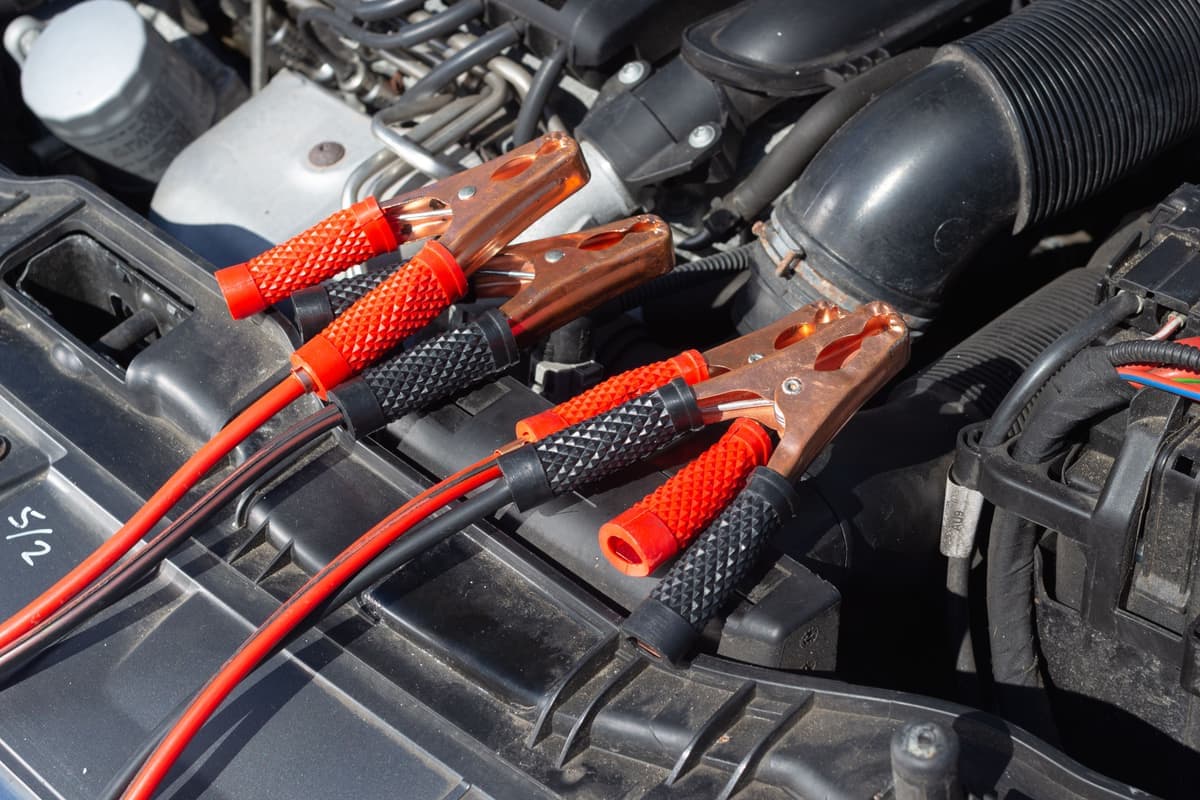
Head to head
Jump Starter vs Charger
The away-from-home tool against the at-home tool, which to buy first, and how to tell which your situation actually calls for.
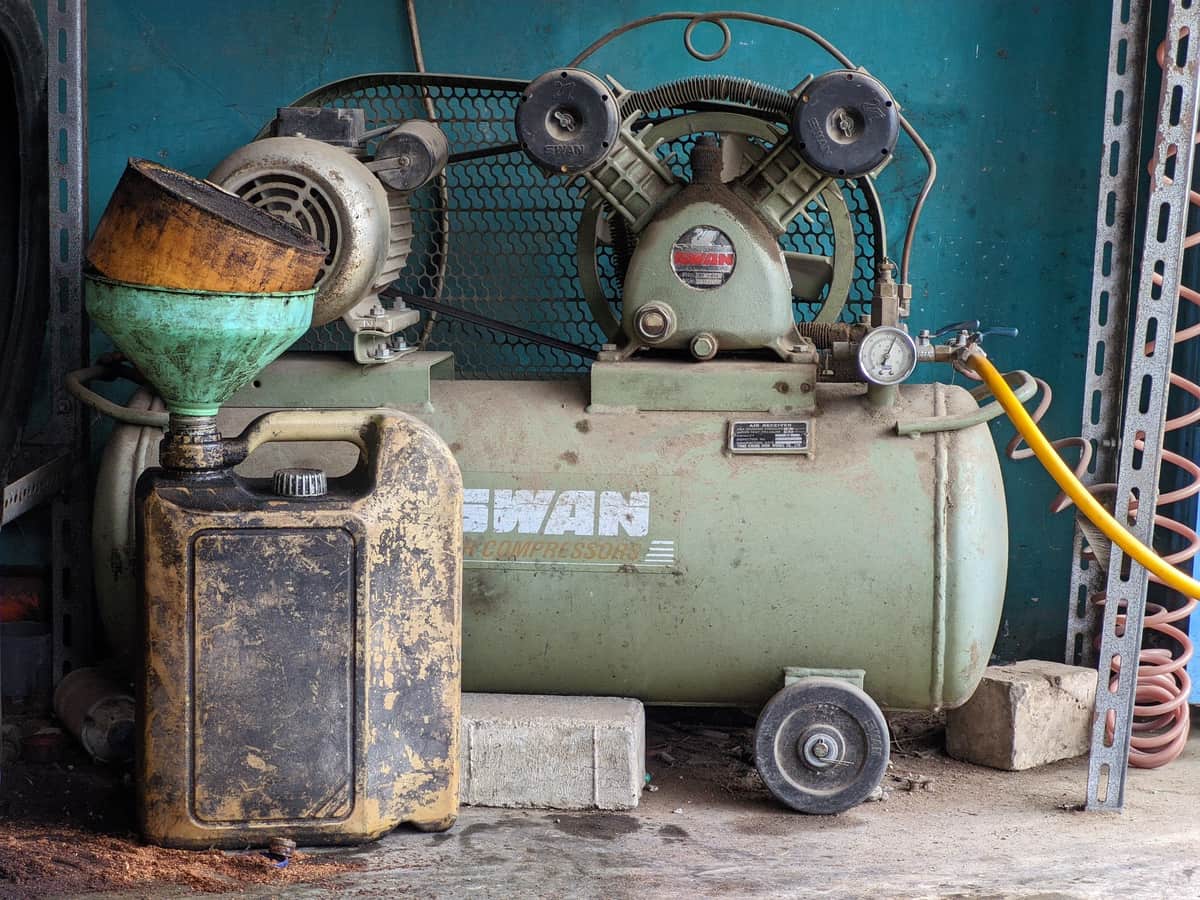
Best Jump-and-Inflate Combo
Best With an Air Compressor
Combo units that jump and inflate — plus a frank accounting of what the built-in compressor gives up against a dedicated inflator.
Best With AC
Best With an AC Outlet
The AC confusion explained: charging input versus power outlet, and what to buy depending on which one you actually need.
Best Car Battery Chargers
Best Car Battery Chargers
Our main charger roundup: 1 A to 10 A units matched to battery capacity, with published cold ratings and warranties.
Found something out of date, or a figure you can source better than we did? Tell us — corrections get read first. Our methodology explains how picks are made, and contact is one click away.