Battery Chargers
The best car batteries
Group size decides what you can physically buy. Everything on this page is second to that — including the brand on the label.
Disclosure: we earn a commission if you buy through the Amazon links on this page, at no extra cost to you. Commission never decides a verdict or a ranking position — read our editorial policy and affiliate disclosure.
How we assessed these: picks are selected from manufacturer specifications, current retailer listings and published owner feedback — not from hands-on testing of every unit. Where a manufacturer does not publish a figure, it is left out rather than estimated, and we say which brands publish less.
Short answer
Find your group size first — it is on the old battery's label and on the door placard, and it is a physical constraint, not a preference. Then pick on published cold cranking amps and reserve capacity. For Group 34, the ODYSSEY Performance ODP-AGM34 has the best published figures for the money at 1,000 CCA and 130 minutes.
A car battery is the component every other tool on this site exists to serve. A jump starter gets you moving when it fails, a charger keeps it from failing, and eventually it fails anyway and you replace it. This is that page.
It is also the category where roundups are least useful, because most of the battery decision is made for you before you choose a brand at all. So this page is organized around that constraint rather than pretending it away.
Quick picks
Tap any row to jump to the full write-up. Scoring criteria are published in full on our methodology page.
| # | Product | Best for | Our read | Price |
|---|---|---|---|---|
| 1 | 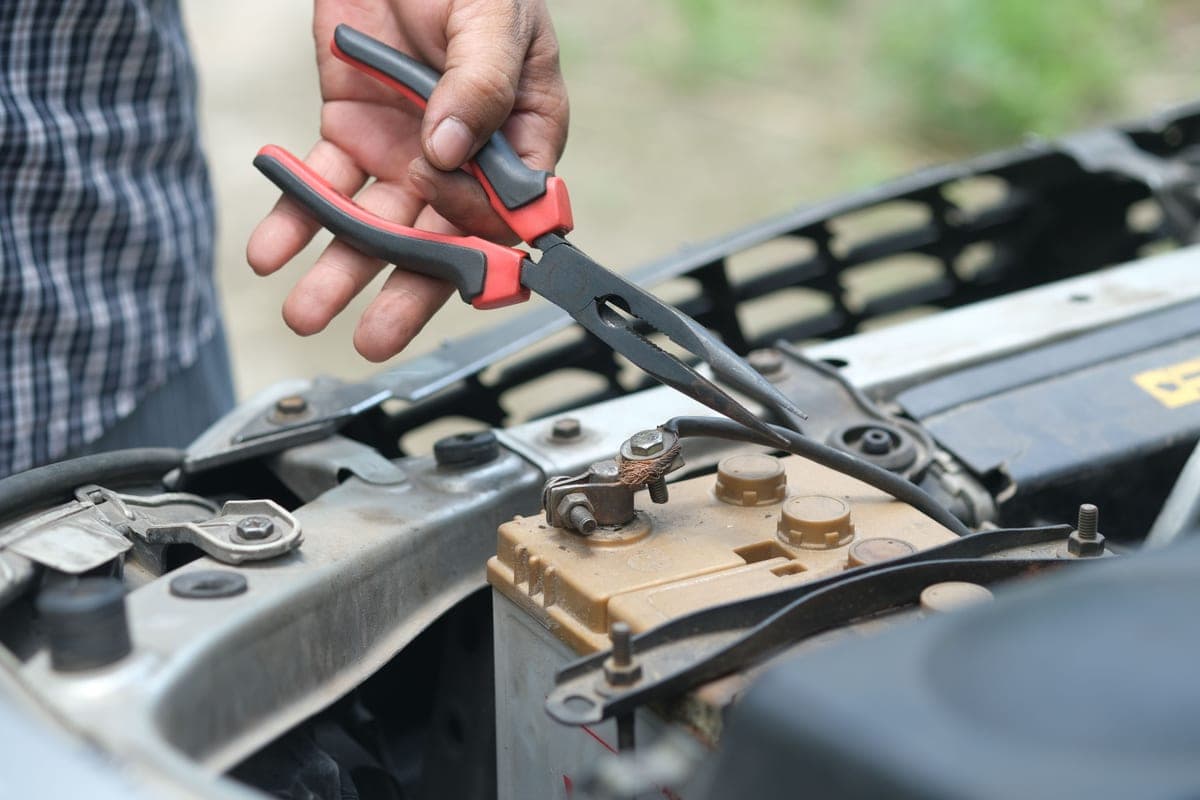 ODYSSEY Performance ODP-AGM34 Best overall in Group 34 | Group 34 AGM without the Extreme premium | 1,000 CCA and 130 minutes reserve, without the Extreme premium | Check price on Amazon #ad Affiliate link · We show no price here; Amazon shows the current one |
| 2 | ODYSSEY Extreme ODX-AGM34 (34-PC1500T) Best for maximum cranking | Maximum cranking in Group 34 | The highest published Group 34 figures we could source | Check price on Amazon #ad Affiliate link · We show no price here; Amazon shows the current one |
| 3 |  ODYSSEY Performance ODP-AGM48 H6 Best for Group 48 / H6 | Group 48 / H6 fitments | The fitment most roundups ignore entirely | Check price on Amazon #ad Affiliate link · We show no price here; Amazon shows the current one |
| 4 | 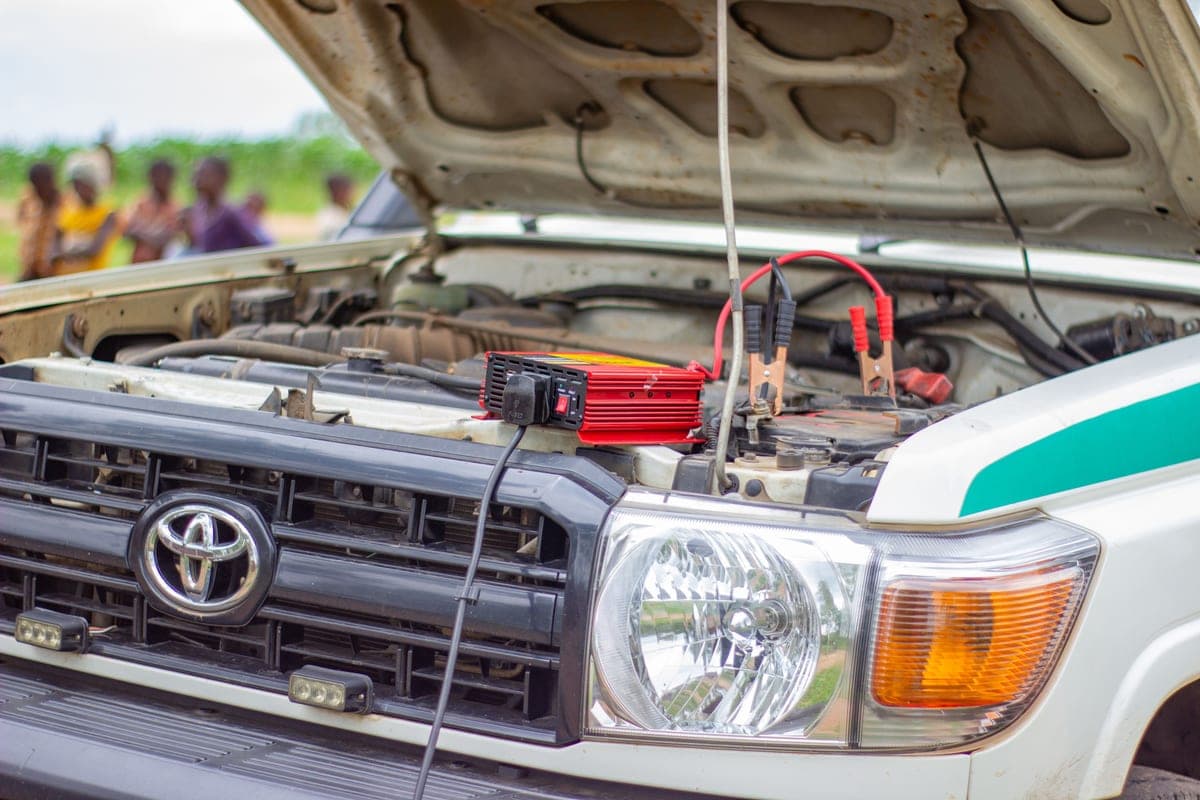 OPTIMA RedTop 34/78 Best pure starting battery | A pure starting battery, dual terminals | Dual terminals widen what it drops into | Check price on Amazon #ad Affiliate link · We show no price here; Amazon shows the current one |
| 5 |  OPTIMA YellowTop D34/78 Best for winches and inverters | Starting plus genuine deep cycling | Built to be discharged and recharged, not just to start | Check price on Amazon #ad Affiliate link · We show no price here; Amazon shows the current one |
| 6 |  Interstate MTZ AGM Best bought locally | High accessory loads, bought locally | Dealer network beats shipping 45 lb and a core | Check price on Amazon #ad Affiliate link · We show no price here; Amazon shows the current one |
Start here: the fitment check that decides everything
A car battery has to physically fit a tray, its terminals have to be on the correct sides, and the posts have to be the right type. That combination is standardized as a BCI group size — Group 34, Group 48, Group 65 and so on. Buy the wrong group and the hold-down will not clamp it, or the cables will not reach, or they will reach in a way that puts a live post near sheet metal.
- Read the label on the battery in the car right now. The group size is printed on it. This is the single most reliable source, because it is what actually fits.
- Check the owner's manual or the placard if the label is unreadable. Many vehicles list the specification there.
- Note the terminal positions. A Group 34 and a Group 34R have the positive and negative reversed. They are not interchangeable.
- Note whether it is AGM, EFB or flooded. If your car has start-stop, it is almost certainly AGM or EFB, and fitting a conventional flooded battery in its place is a short and expensive experiment — see AGM chargers.
- Then, and only then, compare brands. Everything below assumes you have done the four steps above.
The two numbers that matter, and one that does not
| Figure | What it measures | How much it should weigh on your decision |
|---|---|---|
| Cold cranking amps (CCA) | Current the battery can sustain at 0 °F while holding a usable voltage — an industry-standard test | High. It is the closest thing to a comparable number across brands, and cold is when batteries fail. |
| Reserve capacity (RC) | Minutes the battery can run the vehicle's load on its own at a defined draw | High, and underrated. This is your margin if the alternator quits away from home. |
| Cranking amps (CA / MCA) | The same style of test at 32 °F rather than 0 °F | Low. It always produces a bigger number than CCA, which is why it gets printed larger. |
| Amp hours (Ah) | Total stored energy at a defined discharge rate | Moderate — genuinely useful on a dual-purpose or deep-cycle battery, largely irrelevant on a pure starting battery. |
| “Peak” or pulse figures | Very short-duration current, defined differently by different makers | Low across brands, useful within one brand's range. Same trap as peak amps on a jump starter. |
If you compare two batteries on one number only, make it CCA — and check you are comparing CCA to CCA rather than CCA to CA.
How we chose these
Published figures, from the manufacturer, or the pick does not get numbers. That is the criterion that shaped this list more than any other, and it produced an uncomfortable result worth stating plainly: ODYSSEY publishes a complete specification table for every model in its Extreme and Performance lines, and most of its competitors do not. Three of the six picks below are ODYSSEY for that reason.
We are flagging that rather than hiding it. A brand that publishes CCA, pulse current, reserve capacity and weight per model is easier to recommend honestly than one that publishes marketing copy and a warranty length — but "easiest to verify" is not identical to "best for you," and the Optima and Interstate picks are here because they genuinely answer needs the ODYSSEY models do not.
After that: reserve capacity weighted as heavily as cranking amps, because this site is written for the driver who is away from home; AGM construction preferred for accessory-heavy and start-stop vehicles; and honest coverage of more than one group size, which most roundups skip.
What we did not use: star ratings, review counts, and prices. We have no live price feed, so every buy button reads "Check price on Amazon" — the full reasoning is on our methodology page.
The picks
1. Best overall in Group 34
ODYSSEY Performance ODP-AGM34
ODYSSEY · Best for group 34 agm without the extreme premium
Within 50 cold cranking amps of the Extreme and nearly 3 lb lighter — the Performance line is where most Group 34 buyers should actually land.
Published specifications
What works
- 1,000 CCA and 130 minutes reserve — within 5% of the Extreme on both figures
- 2.9 lb lighter than the Extreme, which you notice lifting it into a fender well
- Same AGM construction and the same published-specification transparency
- An ODP-AGM34R variant exists for reversed terminal positions
What does not
- Still a heavy, premium-priced battery next to a stock flooded replacement
- The Extreme's extra 50 CCA and 5 reserve minutes cost more than they are worth to most drivers, which makes this line the better buy and the less exciting one
- Group 34 only
Skip it if
Not the right battery if your vehicle takes a Group 48/H6, 47/H5 or 65 — check the door placard or the old battery's label before you shop anything on this page.
#ad Affiliate link · We show no price here; Amazon shows the current one
Raw specifications: ODYSSEY’s own page for the ODYSSEY Performance ODP-AGM34.
2. Best for maximum cranking
ODYSSEY Extreme ODX-AGM34 (34-PC1500T)
ODYSSEY · Best for maximum cranking in group 34
The highest published cranking figures in Group 34 we could source: 1,050 CCA and 135 minutes of reserve capacity, at the cost of nearly 50 lb on the shelf.
Published specifications
What works
- 1,050 CCA is the highest published cold-cranking figure we found in Group 34
- 135 minutes of reserve capacity is real margin when the alternator quits away from home
- AGM construction, so it is sealed, non-spillable and tolerant of vibration
- ODYSSEY publishes a full specification table, which is rarer in this category than it should be
What does not
- 49.5 lb is heavy even for a Group 34 — awkward to carry and expensive to ship
- Priced well above a mainstream flooded battery for cranking power most engines never draw
- Group 34 only — it fits what it fits, and no amount of specification makes it fit anything else
Skip it if
Skip it if your vehicle is a commuter that starts fine today. You are buying cold-morning and accessory-load margin, and a stock-replacement battery in the right group size starts the same engine for far less.
#ad Affiliate link · We show no price here; Amazon shows the current one
Raw specifications: ODYSSEY’s own page for the ODYSSEY Extreme ODX-AGM34 (34-PC1500T).
3. Best for Group 48 / H6
ODYSSEY Performance ODP-AGM48 H6
ODYSSEY · Best for group 48 / h6 fitments
The same AGM construction in the Group 48/H6 case that a large share of modern European and American cars actually take — 840 CCA and 130 minutes reserve.
Published specifications
What works
- Covers Group 48/H6, which is one of the most common fitments on modern cars and is under-served by enthusiast roundups
- 130 minutes of reserve capacity matches the Group 34 Performance model
- AGM, so it suits the accessory loads and start-stop duty these vehicles impose
What does not
- 840 CCA is lower than the Group 34 models — a function of the smaller case, not a defect
- 48 lb, and Group 48 batteries often sit in awkward locations such as under a seat or in the trunk
- Confirm whether your vehicle wants AGM or EFB before buying; the two are not interchangeable in both directions
Skip it if
Wrong battery if your car takes a Group 34, 47/H5 or 35. Group size is a physical and terminal-position constraint, not a preference.
#ad Affiliate link · We show no price here; Amazon shows the current one
Raw specifications: ODYSSEY’s own page for the ODYSSEY Performance ODP-AGM48 H6.
4. Best pure starting battery
OPTIMA RedTop 34/78
OPTIMA · Best for a pure starting battery, dual terminals
A starting-only AGM in a spiral-cell case, rated by OPTIMA at 800 cold cranking amps, with both top and side terminals so it drops into a wider range of vehicles.
Published specifications
- Cold cranking amps
- 800 A (OPTIMA describes this as conservatively rated) source
What works
- The 34/78 case carries both top and side terminals, which widens what it fits
- Spiral-cell AGM construction is sealed, non-spillable and vibration tolerant
- Widely stocked, so a replacement is easy to find when you need one quickly
What does not
- OPTIMA does not publish a full specification table for this model the way ODYSSEY does, so there are fewer figures here to check
- A starting battery only — it is not built for repeated deep discharge
- 800 CCA is below the Group 34 AGM models above, though ample for most engines
Skip it if
Not the one if you run a winch, a big audio system or camp off the battery. Repeated deep discharge is what the YellowTop line exists for, and a RedTop asked to do that job will not last.
#ad Affiliate link · We show no price here; Amazon shows the current one
Raw specifications: OPTIMA’s own page for the OPTIMA RedTop 34/78.
5. Best for winches and inverters
OPTIMA YellowTop D34/78
OPTIMA · Best for starting plus genuine deep cycling
The dual-purpose answer: OPTIMA rates the D34/78 at 50 Ah and builds it to start an engine and then be discharged and recharged repeatedly, which a RedTop is not.
Published specifications
- Capacity
- 50 Ah source
What works
- Built for starting AND deep cycling, which is the combination winches, inverters and big audio actually need
- Same dual top-and-side terminal case as the RedTop 34/78
- Sealed spiral-cell AGM, so it can be mounted in places a flooded battery should not
What does not
- OPTIMA publishes little beyond headline figures for this model, so there is less to verify than we would like
- Dual-purpose construction means it is a compromise at both jobs against a dedicated starting or dedicated deep-cycle battery
- Premium price for capability a standard commuter never uses
Skip it if
Skip it if nothing in your vehicle draws power with the engine off. You would be paying for deep-cycle capability you will never discharge into, and a straight starting battery is the better buy.
#ad Affiliate link · We show no price here; Amazon shows the current one
Raw specifications: OPTIMA’s own page for the OPTIMA YellowTop D34/78.
6. Best bought locally
Interstate MTZ AGM
Interstate Batteries · Best for high accessory loads, bought locally
Interstate positions MTZ as its premium AGM line for high accessory-load vehicles, and its dealer network is the practical argument: testing, fitting and core return in one stop.
This manufacturer does not publish a full specification table for this model on its own site. Rather than repeat figures we cannot source, the assessment below is limited to what the product category and the retailer listing genuinely establish.
What works
- Interstate states the MTZ line “stores and delivers more than enough power for high accessory load vehicles”
- A very large dealer network, which for a 45 lb item with a core charge matters more than it does for any other product on this site
- Local purchase usually includes free testing and fitting, and takes the core back on the spot
What does not
- Interstate does not publish per-model CCA or reserve-capacity tables on its site the way ODYSSEY does, so you are buying on line positioning rather than on figures you can check
- Dealer pricing varies, and it is rarely the cheapest route
- Online availability is patchier than the mass-market brands
Skip it if
Not the pick if you want to compare published numbers before buying. If the specification table is how you decide, buy a brand that publishes one.
#ad Affiliate link · We show no price here; Amazon shows the current one
Raw specifications: Interstate Batteries’s own page for the Interstate MTZ AGM.
AGM, EFB or flooded?
| Flooded | EFB | AGM | |
|---|---|---|---|
| Electrolyte | Free liquid | Free liquid, enhanced plates | Held in glass matting |
| Sealed | Often not | Usually | Yes |
| Start-stop duty | No | Yes, entry level | Yes |
| Deep cycling tolerance | Poor | Moderate | Better |
| Mounting flexibility | Upright only | Upright only | Sealed, so more positions |
| Cost | Lowest | Middle | Highest |
| Charger profile | Standard | Standard or EFB mode | Needs an AGM mode |
You can generally fit AGM where flooded was specified. Going the other way — flooded in place of a factory AGM or EFB — is the mistake, because the vehicle's charging strategy and its accessory load were designed around the original chemistry.
Whichever you choose, your charger has to match it. An AGM battery charged on a flooded profile never reaches full, which shortens its life quietly over months — AGM chargers covers what changes, and what amp charger do I need sizes it.
Buying online versus buying locally
This is the one product category on this site where we would genuinely often point you away from a delivery. A car battery weighs 40-50 lb, it carries a core charge you get back only by returning the old one, and it is hazardous goods for shipping purposes. Those three facts change the arithmetic:
- Shipping cost is real and sometimes hidden, and returning a faulty 48 lb battery is worse than buying one.
- The core charge is straightforward at a counter and a nuisance by mail.
- Free testing and fitting is standard at most parts stores, and a free test may tell you the battery was never the problem — see whether a jump starter will start a dead battery.
- Date codes matter. A battery that has sat on a shelf for a year has already aged. You can check the date sticker in person; you cannot online.
Buy online when the model you want is not stocked locally, when the price difference is large enough to cover the friction, or when you want a specific premium AGM your local store does not carry. Otherwise the counter usually wins, and we would rather say so than pretend every purchase belongs in a cart.
Before you replace it: is the battery even the fault?
A surprising share of replaced batteries were fine. Three readings with a multimeter separate the cases in about thirty seconds:
- Resting voltage, car off and settled a few hours. Around 12.6 V is fully charged; about 12.2 V is roughly half.
- Running voltage, engine on. Roughly 13.7-14.7 V means the alternator is charging. Much lower and the charging system is your fault; much above 15 V and the regulator is cooking the battery.
- Resting voltage again, a few hours after shutdown. If it falls straight back, the battery is not holding charge.
What none of that measures is capacity under cranking load — a battery can read a healthy 12.6 V and still collapse the instant the starter engages. That needs a load test, which most parts stores do free. And if the battery is merely flat rather than failed, a charger is a far cheaper answer than a replacement.
If it keeps going flat with no obvious cause, the fault is a parasitic drain or the charging system rather than the battery, and a new battery will simply be the next victim. Why batteries die in cold weather covers the seasonal version of the same question.
Making the new one last
- Keep it at full charge. Sitting partly discharged is what sulfates plates and permanently costs capacity. A 1-2 A maintainer on any vehicle that sits is the cheapest life extension available.
- Clean the terminals. Corrosion is an insulator, and at cranking currents that matters more than it sounds.
- Check the hold-down. Vibration kills batteries, and a loose battery is the most common avoidable cause.
- Watch short trips. A ten-minute commute may not replace what the start consumed, especially with the heater and heated seats running.
- Carry a pack anyway. Even a healthy battery can be flattened by a door left ajar overnight. That is what a jump starter is for.
Key takeaways
- Group size is a physical constraint — confirm it before comparing anything else.
- Compare CCA to CCA, and weigh reserve capacity as heavily if you drive far from home.
- Do not fit flooded where the vehicle came with AGM or EFB.
- Three of six picks are ODYSSEY because it publishes full specification tables; we say so rather than hide it.
- For a 45 lb item with a core charge, the local counter often beats shipping.
How we sourced this
Every figure on this page came from one of the following. Where a manufacturer or regulator does not publish a number, we say so rather than estimate it.
- ODYSSEY Extreme Series battery specifications (CCA, PHCA, reserve capacity, weight)
- ODYSSEY Performance Series battery specifications (CCA, PHCA, reserve capacity, weight)
- ODYSSEY ODX-AGM34 (34-PC1500T) product page
- OPTIMA — 34/78 Battery 800 CCA
- Interstate Batteries — car and truck battery lines
- NOCO GENIUS5 published specifications
- NOCO GENIUS10 published specifications
Common questions
- What is the best car battery?
- The best car battery is the one that fits your vehicle's group size, in the chemistry it was built for, with the highest published cold cranking amps and reserve capacity you are willing to pay for. Group size comes first because it is a physical constraint — in Group 34 the ODYSSEY Performance ODP-AGM34 has the strongest published figures for the money at 1,000 CCA and 130 minutes reserve.
- How do I know what size battery my car takes?
- Read the label on the battery currently in the car — the BCI group size is printed on it. The owner's manual or the placard usually lists it too. Also note the terminal positions, because a Group 34 and a Group 34R have positive and negative reversed and are not interchangeable.
- What is the difference between CCA and cranking amps?
- Cold cranking amps measures current the battery can sustain at 0 °F while holding a usable voltage. Cranking amps runs the same style of test at 32 °F, which always produces a bigger number. Compare CCA to CCA — it is the figure that reflects the conditions batteries actually fail in.
- Can I put an AGM battery in a car that came with a flooded battery?
- Generally yes, and it is usually an upgrade. The mistake is the other direction: fitting a conventional flooded battery where the vehicle came with AGM or EFB, because the charging strategy and accessory load were designed around the original chemistry. Cars with start-stop almost always need AGM or EFB.
- Is it better to buy a car battery online or in a store?
- Often in a store, which is unusual advice on a site like this. A battery weighs 40-50 lb, carries a core charge you reclaim by handing over the old one, and ships as hazardous goods. Local purchase usually includes free testing and fitting, takes the core back, and lets you check the date code. Buy online when the model you want is not stocked locally.
- How long should a car battery last?
- Long enough that a battery failing very early usually points at something else — a parasitic drain, a charging fault, or a long run of short trips that never fully recharged it. Before replacing a second battery, measure resting and running voltage and get a free load test, because a new battery fitted to an unresolved fault simply becomes the next casualty.
More in Battery Chargers
A jump pack gets you moving. A charger is how you stop needing one. This is the home half of the problem.
Read next
Best Car Battery Chargers
Best Car Battery Chargers
Our main charger roundup: 1 A to 10 A units matched to battery capacity, with published cold ratings and warranties.
Best AGM Chargers
Best AGM Chargers
Chargers with a genuine AGM mode, what changes about the charge voltage, and how to tell which chemistry your car actually has.
Guide
What Amp Do I Need?
Charge current sizing by battery capacity, with the 10% guideline shown in full and manufacturer capacity ranges to verify against.

Guide
Dead Battery in the Cold
The mechanism behind winter no-starts, why a new battery can still fail, and the cheap prevention that works better than a bigger jump pack.
Found something out of date, or a figure you can source better than we did? Tell us — corrections get read first. Our methodology explains how picks are made, and contact is one click away.