Battery Chargers
Starting vs deep-cycle batteries
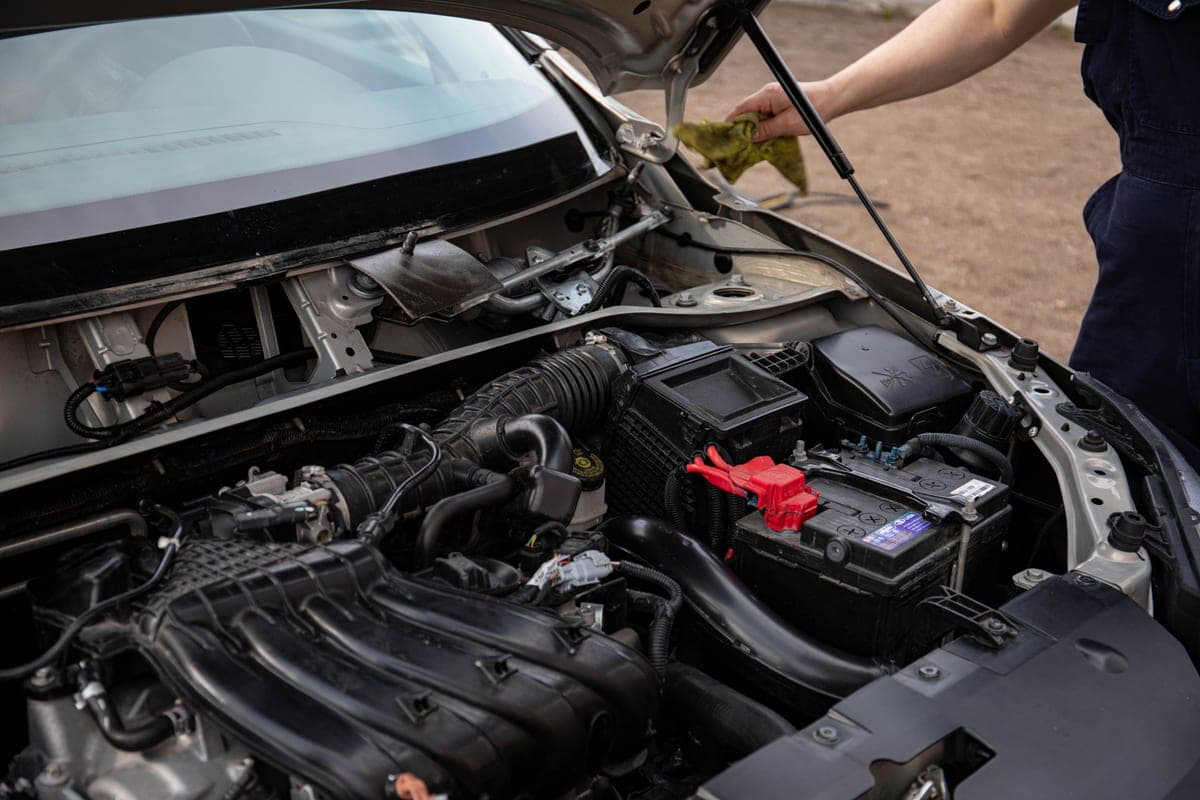
Both say 12 volts on the label and both fit the same tray. They are built for opposite jobs, and using one as the other is the fastest way to kill it.
Disclosure: we earn a commission if you buy through the Amazon links on this page, at no extra cost to you. Commission never decides a verdict or a ranking position — read our editorial policy and affiliate disclosure.
How we assessed these: picks are selected from manufacturer specifications, current retailer listings and published owner feedback — not from hands-on testing of every unit. Where a manufacturer does not publish a figure, it is left out rather than estimated.
Short answer
A starting battery delivers a very large current for a few seconds and is designed to be immediately recharged by the alternator. A deep-cycle battery delivers a modest current for hours and is designed to be discharged and recharged repeatedly. OPTIMA's own line splits exactly this way: the RedTop is a starting battery, and the YellowTop is a true dual-purpose battery that works in deep-cycle applications as well.
The reason this matters to anyone who is not building a camper is simpler than it looks: accessories. A vehicle with a winch, a fridge, a sound system or a dash camera running on a parked engine is deep-cycling a battery that may not be built for it — and the battery fails years early without ever giving an obvious warning.
Quick picks
Tap any row to jump to the full write-up. Scoring criteria are published in full on our methodology page.
| # | Product | Best for | Our read | Price |
|---|---|---|---|---|
| 1 | 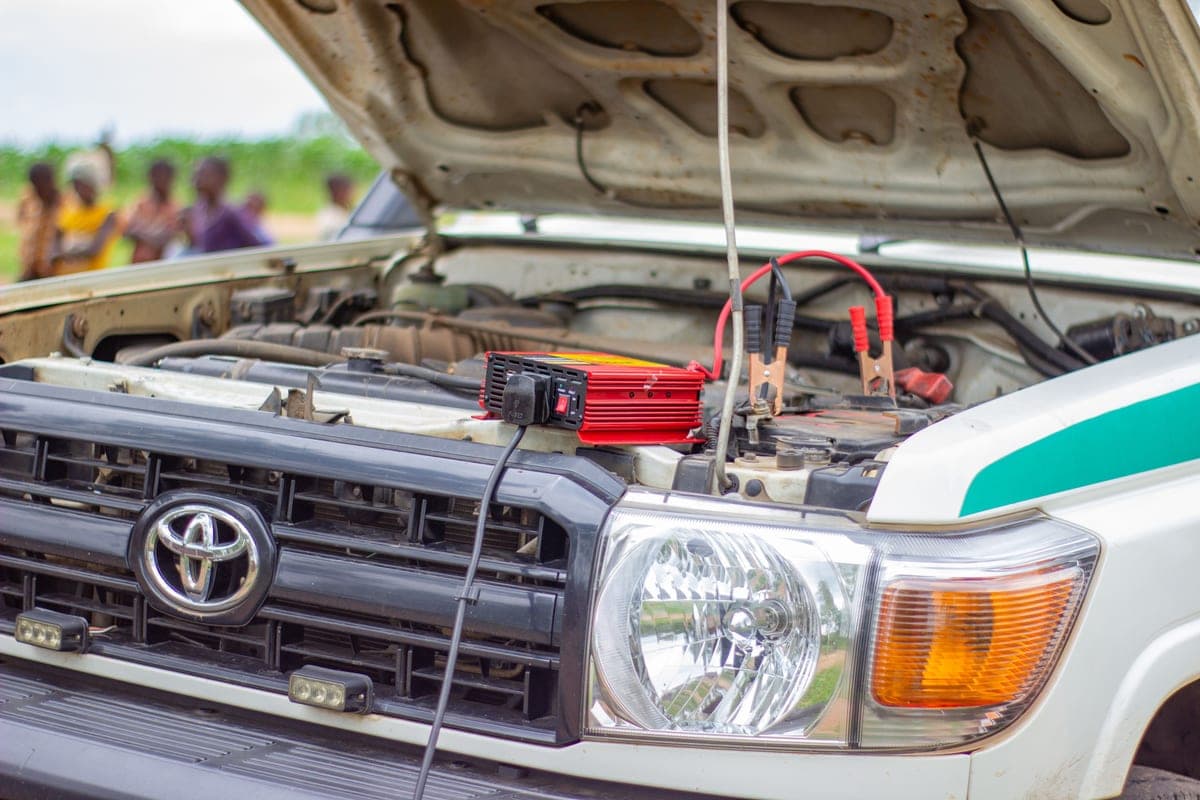 OPTIMA RedTop 34/78 The starting battery | A pure starting battery, dual terminals | 800 CCA, built to crank and be topped up | Check price on Amazon #ad Affiliate link · We show no price here; Amazon shows the current one |
| 2 |  OPTIMA YellowTop D34/78 The dual-purpose battery | Starting plus genuine deep cycling | 50 Ah, starts and deep cycles | Check price on Amazon #ad Affiliate link · We show no price here; Amazon shows the current one |
| 3 | 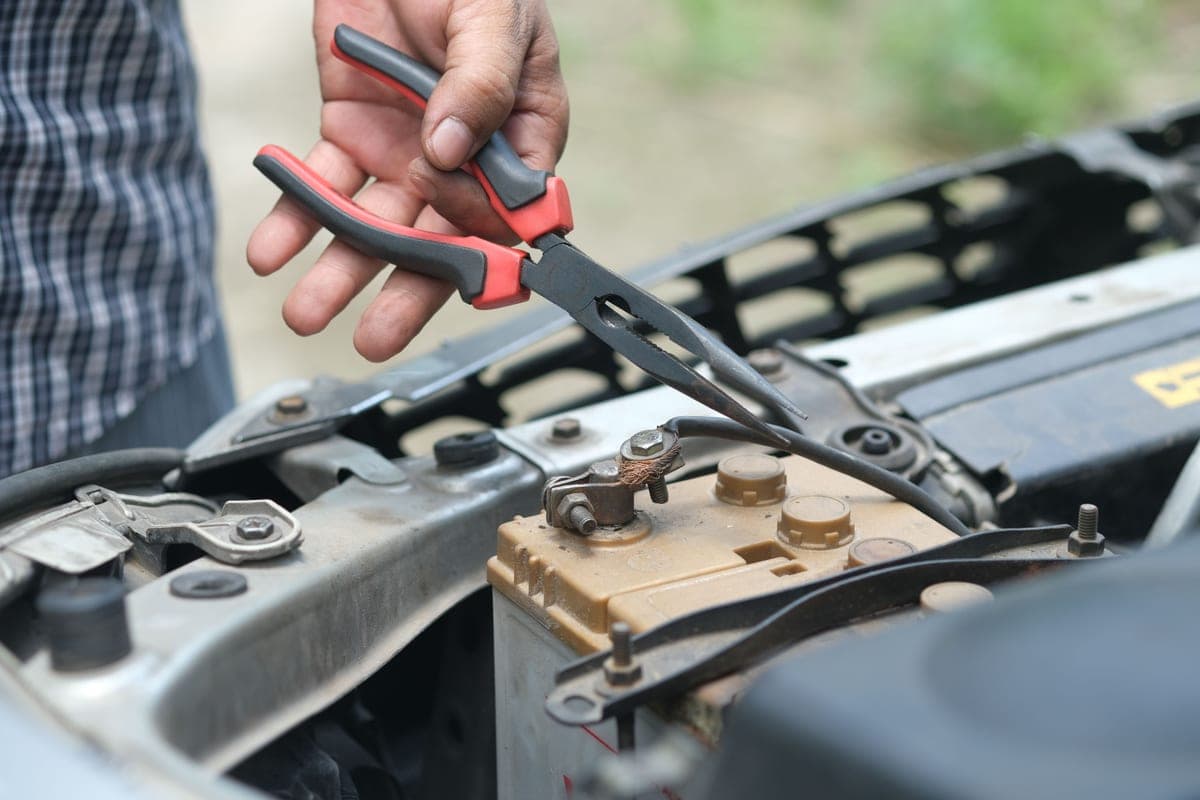 ODYSSEY Performance ODP-AGM34 The AGM middle ground | Group 34 AGM without the Extreme premium | Group 34 AGM without the Extreme premium | Check price on Amazon #ad Affiliate link · We show no price here; Amazon shows the current one |
| 4 | 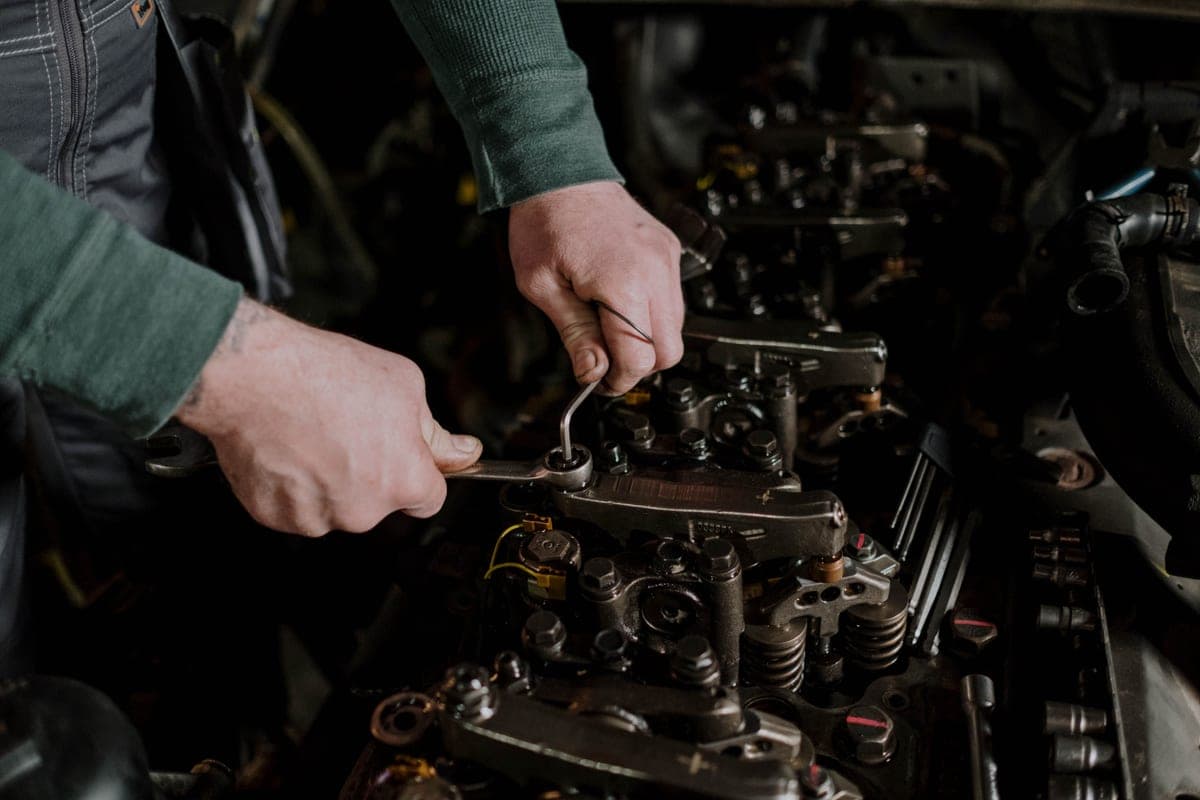 NOCO GENIUS10 The charger that handles both | Several vehicles or a deep-cycle bank | 10 A up to 230 Ah, lead-acid and lithium | Check price on Amazon #ad Affiliate link · We show no price here; Amazon shows the current one |
The physical difference inside the case
Both are lead-acid. What differs is the plates. A starting battery uses many thin plates, which maximizes the surface area in contact with the electrolyte and therefore the current it can deliver in a burst. A deep-cycle battery uses fewer, thicker plates, which survive the repeated chemical cycling that shedding thin plates do not.
That is the whole trade. Thin plates give you cranking amps and a short life under deep discharge. Thick plates give you cycle life and less peak current for the same case size. A battery cannot maximize both, which is why dual-purpose designs land in the middle rather than winning both ends.
| Starting (cranking) | Deep cycle | Dual purpose | |
|---|---|---|---|
| Discharge pattern | Huge current, seconds | Modest current, hours | Both, within limits |
| Plates | Many thin | Fewer thick | Intermediate |
| Headline spec | Cold cranking amps | Amp-hours and cycle life | Both quoted |
| Typical depth of discharge | A few percent | Repeatedly deep | Repeatedly moderate |
| Damaged by | Repeated deep discharge | Nothing unusual | Extremes of either |
| OPTIMA's own line | RedTop | — | YellowTop |
| Found in | Most passenger cars | RV and marine house banks | Accessory-heavy vehicles |
OPTIMA describes the RedTop as the battery for normal engine starting where the alternator immediately restores charge, and the YellowTop as designed for both starting and deep-cycle use — for example a vehicle with a winch, alarm, dash camera and aftermarket stereo.
The published numbers tell the same story
OPTIMA rates the RedTop 34/78 at 800 cold cranking amps, and describes that as a conservative rating. The YellowTop D34/78, the dual-purpose battery in the same case size, is rated at 50 amp-hours — a capacity figure rather than a cranking figure, because capacity is what matters when the job is running something for hours.
Notice which specification each manufacturer leads with. A starting battery is sold on cold cranking amps; a deep-cycle battery is sold on amp-hours and cycle life. When a listing quotes both prominently, you are usually looking at a dual-purpose design. The car battery roundup covers how to read those numbers against your own vehicle.
What happens when you use the wrong one
A starting battery used for deep cycling fails early. Each deep discharge sheds a little active material from those thin plates, and it does not come back. The battery will seem fine for a while, then lose capacity quickly. OPTIMA's own guidance is that RedTops are starting batteries and are not intended for deep-cycle applications such as winching.
A deep-cycle battery used purely for starting usually works, and wastes money. It will crank an engine — the current is lower than a starting battery of the same size but generally adequate — and you have paid for cycle life you will never use. In cold weather, where cranking current matters most, it is the less capable choice.
The genuinely risky case is cold plus accessories. Cold raises the current an engine needs while cutting what any battery can deliver, and a battery already worn by deep cycling has less margin left. Why car batteries die in cold weather covers that compounding, and a jump pack sized for the engine is the practical hedge.
Charging them is not the same job either
A deep-cycle battery is usually larger in amp-hours than a starting battery, and that is the figure a charger is rated against. The NOCO GENIUS5 covers up to 120 amp-hours, which brackets a normal car starting battery comfortably; NOCO's own note is that it is not enough for reviving deep-cycle RV or marine batteries, where the GENIUS10's 230 amp-hour range is the right bracket.
Chemistry matters too. An AGM battery wants a charger with an AGM mode, because AGM charging voltages differ from flooded lead-acid. AGM battery chargers covers that, and what amp battery charger do I need covers the sizing rule for both.
Which one you need
- An ordinary car, driven regularly, nothing added: a starting battery. The alternator restores charge within minutes of starting and nothing deep-cycles it.
- A car with a winch, a big audio system, a fridge or camera running parked: dual-purpose. This is exactly the case OPTIMA describes for the YellowTop.
- An RV or boat house bank: true deep cycle, sized in amp-hours for the loads you run, and charged by something rated for that capacity.
- A vehicle that sits for long periods: either type, plus a maintainer. Sitting discharged is what kills both. Battery maintainers covers that.
The picks
1. The starting battery
OPTIMA RedTop 34/78
OPTIMA · Best for a pure starting battery, dual terminals
A starting-only AGM in a spiral-cell case, rated by OPTIMA at 800 cold cranking amps, with both top and side terminals so it drops into a wider range of vehicles.
Published specifications
- Cold cranking amps
- 800 A (OPTIMA describes this as conservatively rated) source
What works
- The 34/78 case carries both top and side terminals, which widens what it fits
- Spiral-cell AGM construction is sealed, non-spillable and vibration tolerant
- Widely stocked, so a replacement is easy to find when you need one quickly
What does not
- OPTIMA does not publish a full specification table for this model the way ODYSSEY does, so there are fewer figures here to check
- A starting battery only — it is not built for repeated deep discharge
- 800 CCA is below the Group 34 AGM models above, though ample for most engines
Skip it if
Not the one if you run a winch, a big audio system or camp off the battery. Repeated deep discharge is what the YellowTop line exists for, and a RedTop asked to do that job will not last.
#ad Affiliate link · We show no price here; Amazon shows the current one
Raw specifications: OPTIMA’s own page for the OPTIMA RedTop 34/78.
2. The dual-purpose battery
OPTIMA YellowTop D34/78
OPTIMA · Best for starting plus genuine deep cycling
The dual-purpose answer: OPTIMA rates the D34/78 at 50 Ah and builds it to start an engine and then be discharged and recharged repeatedly, which a RedTop is not.
Published specifications
- Capacity
- 50 Ah source
What works
- Built for starting AND deep cycling, which is the combination winches, inverters and big audio actually need
- Same dual top-and-side terminal case as the RedTop 34/78
- Sealed spiral-cell AGM, so it can be mounted in places a flooded battery should not
What does not
- OPTIMA publishes little beyond headline figures for this model, so there is less to verify than we would like
- Dual-purpose construction means it is a compromise at both jobs against a dedicated starting or dedicated deep-cycle battery
- Premium price for capability a standard commuter never uses
Skip it if
Skip it if nothing in your vehicle draws power with the engine off. You would be paying for deep-cycle capability you will never discharge into, and a straight starting battery is the better buy.
#ad Affiliate link · We show no price here; Amazon shows the current one
Raw specifications: OPTIMA’s own page for the OPTIMA YellowTop D34/78.
3. The AGM middle ground
ODYSSEY Performance ODP-AGM34
ODYSSEY · Best for group 34 agm without the extreme premium
Within 50 cold cranking amps of the Extreme and nearly 3 lb lighter — the Performance line is where most Group 34 buyers should actually land.
Published specifications
What works
- 1,000 CCA and 130 minutes reserve — within 5% of the Extreme on both figures
- 2.9 lb lighter than the Extreme, which you notice lifting it into a fender well
- Same AGM construction and the same published-specification transparency
- An ODP-AGM34R variant exists for reversed terminal positions
What does not
- Still a heavy, premium-priced battery next to a stock flooded replacement
- The Extreme's extra 50 CCA and 5 reserve minutes cost more than they are worth to most drivers, which makes this line the better buy and the less exciting one
- Group 34 only
Skip it if
Not the right battery if your vehicle takes a Group 48/H6, 47/H5 or 65 — check the door placard or the old battery's label before you shop anything on this page.
#ad Affiliate link · We show no price here; Amazon shows the current one
Raw specifications: ODYSSEY’s own page for the ODYSSEY Performance ODP-AGM34.
4. The charger that handles both
NOCO GENIUS10
NOCO · Best for several vehicles or a deep-cycle bank
Twice the current of the GENIUS5 and nearly twice the capacity range — 10 amps up to 230 Ah, which is where RV, marine and multi-vehicle households land.
Published specifications
What works
- 10 A halves the charge time on a flat car battery against a 5 A unit
- The 230 Ah range covers deep-cycle RV and marine batteries the GENIUS5 cannot
- Same -4 °F cold rating and 3-year warranty as the smaller GENIUS units
What does not
- 10 A into a small motorcycle battery is more current than it wants — use a 1 A or 2 A unit there
- Heavier and pricier than a GENIUS5 for a household with one car
Skip it if
Not the right charger for a single motorcycle, ATV or lawn-tractor battery. Small batteries want small current.
#ad Affiliate link · We show no price here; Amazon shows the current one
Raw specifications: NOCO’s own page for the NOCO GENIUS10.
Key takeaways
- Thin plates give cranking amps; thick plates give cycle life. No battery maximizes both.
- OPTIMA's RedTop is a starting battery; the YellowTop is a true dual-purpose battery.
- Repeated deep discharge permanently costs a starting battery capacity.
- Starting batteries are sold on cold cranking amps, deep-cycle on amp-hours and cycle life.
- Size the charger by amp-hours — a deep-cycle bank usually needs more than a car charger covers.
How we sourced this
Every figure on this page came from one of the following. Where a manufacturer or regulator does not publish a number, we say so rather than estimate it.
Common questions
- What is the difference between a starting battery and a deep cycle battery?
- A starting battery uses many thin plates to deliver a very large current for a few seconds, then is recharged immediately by the alternator. A deep-cycle battery uses fewer, thicker plates to deliver a modest current for hours and survive being discharged and recharged repeatedly. The plate design is the whole difference.
- Can I use a deep cycle battery to start my car?
- Usually yes, but it is not the better choice. A deep-cycle battery of the same case size generally delivers less cranking current than a starting battery, which matters most in cold weather — and you have paid for cycle life the car will never use. A dual-purpose battery is the sensible middle ground.
- What does dual purpose mean on a car battery?
- That it is built to both start an engine and tolerate repeated deeper discharge. OPTIMA describes its YellowTop that way and recommends it for vehicles with higher-than-average electrical loads — a winch, an alarm, a dash camera, an aftermarket stereo — where a plain starting battery would be cycled harder than it is built for.
- Do starting and deep cycle batteries need different chargers?
- The charging principle is the same, but the sizing is not. Chargers are rated by battery capacity in amp-hours, and deep-cycle batteries are usually larger — NOCO rates the GENIUS5 to 120 amp-hours and the GENIUS10 to 230. Chemistry matters too: AGM batteries want a charger with an AGM mode.
More in Battery Chargers
A jump pack gets you moving. A charger is how you stop needing one. This is the home half of the problem.
Read next
Best Car Batteries
Best Car Batteries
Batteries ranked by published cranking and reserve figures, organized around the fitment check that has to come first.
Best AGM Chargers
Best AGM Chargers
Chargers with a genuine AGM mode, what changes about the charge voltage, and how to tell which chemistry your car actually has.
Guide
What Amp Do I Need?
Charge current sizing by battery capacity, with the 10% guideline shown in full and manufacturer capacity ranges to verify against.
Best Battery Maintainers
Best Maintainers
Low-current maintainers for seasonal and stored vehicles, including the solar option for anything parked away from an outlet.
Head to head
GENIUS5 vs GENIUS10
Both charge from 1 volt, both have Force Mode and pulse repair. The decision comes down to battery capacity and how many vehicles you own.
Found something out of date, or a figure you can source better than we did? Tell us — corrections get read first. Our methodology explains how picks are made, and contact is one click away.