Trunk Kit
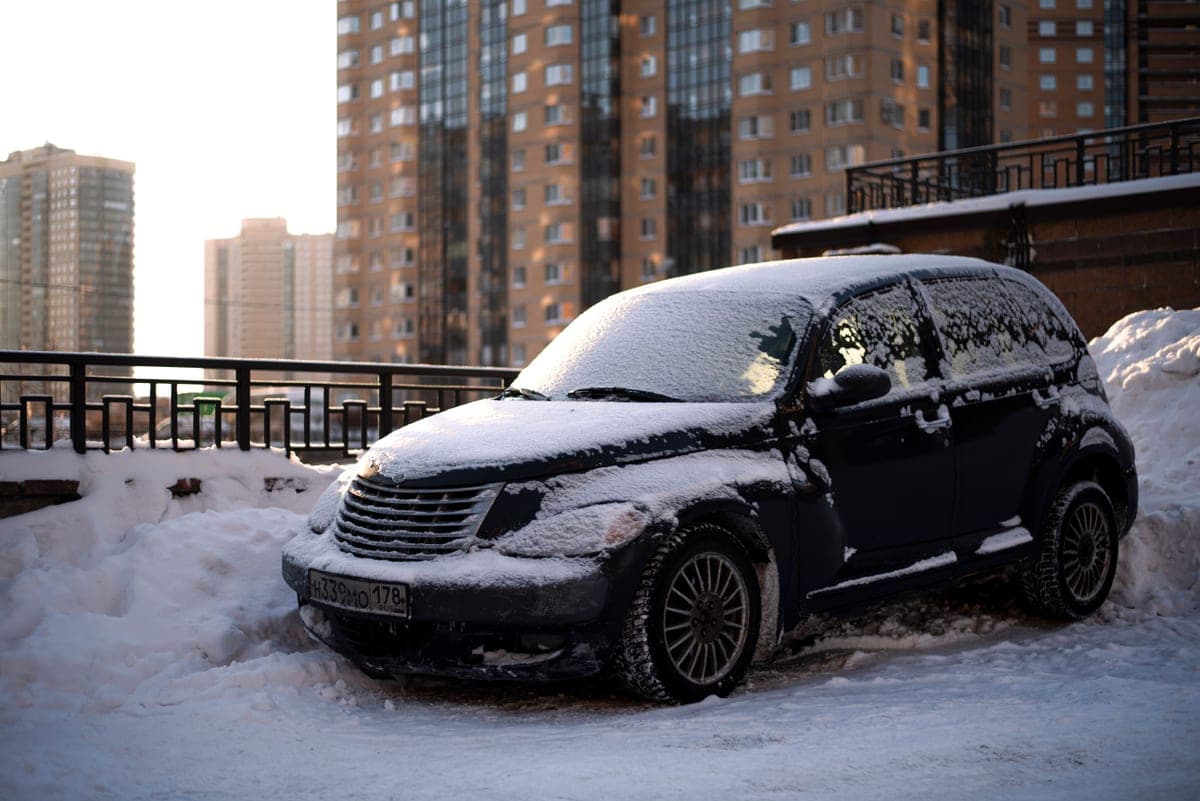
Why car batteries die in cold weather
Two effects arrive at the same moment and pull in opposite directions. That is the whole explanation — and it points straight at the fix.
Disclosure: we earn a commission if you buy through the Amazon links on this page, at no extra cost to you. Commission never decides a verdict or a ranking position — read our editorial policy and affiliate disclosure.
How we assessed these: picks are selected from manufacturer specifications, current retailer listings and published owner feedback — not from hands-on testing of every unit. Unpublished figures are left out rather than estimated.
Short answer
Two things happen simultaneously. The battery's chemical reaction slows in the cold, so it delivers less current. And cold, thick oil means the starter has to work harder, so the engine demands more. A battery already down to 70% of its original capacity meets that squeeze and fails.
The two effects
Supply falls. A lead-acid battery produces current through a chemical reaction, and chemical reaction rates fall with temperature. The same physically healthy battery has meaningfully less available cranking current at 0 °F than at 80 °F. Nothing is broken — the chemistry is simply slower.
Demand rises. Cold engine oil is thicker, so the starter motor turns the engine against more drag. On a diesel, glow plugs or a grid heater draw substantial current *before* the starter engages at all, which is why diesels are especially cold-sensitive. Diesel sizing covers that.
Neither effect alone would strand many cars. Together, they compress the margin from both ends on the same morning.
Why the battery was already weak
This is the part that explains why it feels sudden. A battery loses capacity gradually — from age, from heat in the preceding summer, and from sulfation if it has spent time sitting partly discharged. A battery at 70% of its original capacity starts a car in mild weather without any symptom you would notice.
Then the first genuinely cold morning arrives and takes another chunk off what it can deliver, while the engine asks for more. The failure looks abrupt; the decline was months long. Summer heat is a real contributor here — a battery cooked through July is the battery that fails in January.
Why a new battery can still fail in the cold
- Short trips. A 10-minute commute may not replace what the start consumed, especially with the heater, lights and heated seats all running. Weeks of that leaves even a new battery chronically undercharged.
- A parasitic drain. Something drawing current with the car off — a boot light, an aftermarket accessory, a failing module. It shows up in winter first because there is less margin.
- A charging fault. If the alternator is not producing the roughly 13.7-14.7 V it should, the battery never reaches full. A multimeter shows this in seconds.
- A wrong-specification battery. A car with start-stop needs an AGM or EFB battery; a conventional flooded battery fitted in its place will not survive that duty cycle. AGM charging.
What actually prevents it
- Keep the battery at full. A maintainer or 5 A charger through the cold season. This is the highest-value action on the list and the cheapest. NOCO rates the GENIUS line to -4 °F, so an unheated garage is fine.
- Test before winter, not during. Measure resting voltage in October, and get a free load test at a parts store. Around 12.6 V at rest is fully charged; a load test tells you about capacity, which voltage cannot.
- Clean the terminals. Corrosion is an insulator, and at cranking currents that matters. Five minutes with a wire brush.
- Carry a pack with margin. One step up from your engine's published rating. The cold-weather roundup.
- Keep the pack warm. In the cabin rather than an unheated trunk. A cold pack delivers less willingly, exactly when you need it.
What to do on the morning it happens
Use the pack, following the correct sequence — and on a diesel, wait for the glow plugs before cranking. Then drive for at least 20 minutes, and put the battery on a charger that evening, because a 20-minute drive is not a charge. If it is flat again the next morning, the battery or the charging system has failed rather than merely being discharged; here is how to tell.
The picks
1. The actual fix
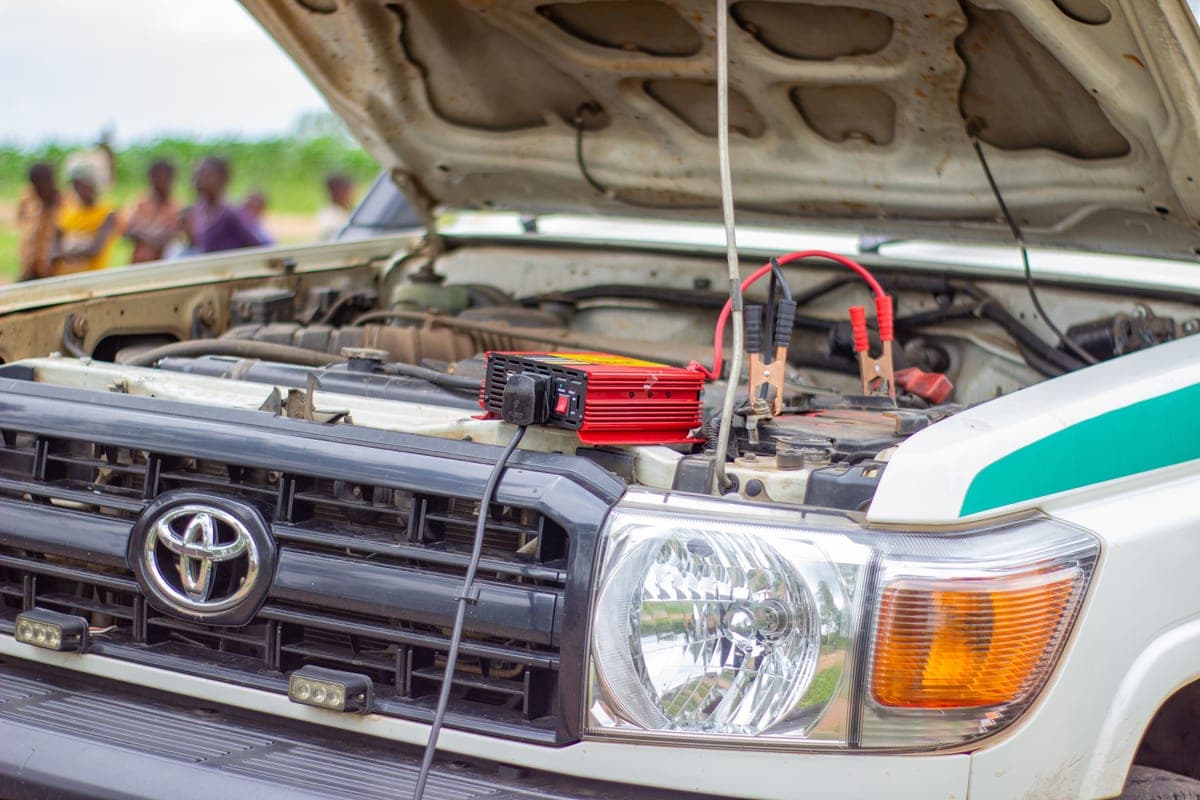
NOCO GENIUS5
NOCO · Best for one car, charging and maintaining
The single most useful charger for one vehicle: 5 amps, 6 V and 12 V, batteries up to 120 Ah, and it can be left connected indefinitely.
Published specifications
What works
- 5 A recharges a car battery overnight and then holds it — one unit does both jobs
- Rated down to -4 °F, so it works in an unheated garage
- The 77-inch cable reaches from a wall outlet to most engine bays without an extension
- 3-year warranty, against 1 year on the jump-starter line
What does not
- 5 A is slow for a deeply discharged large battery — a 100 Ah battery is an all-nighter
- The 120 Ah ceiling rules out larger deep-cycle banks
Skip it if
Not enough charger if you are reviving deep-cycle RV or marine batteries. Step up to the GENIUS10 and its 230 Ah range.
#ad Affiliate link · We show no price here; Amazon shows the current one
Raw specifications: NOCO’s own page for the NOCO GENIUS5.

2. The margin for when it happens anyway
NOCO Boost HD GB70
NOCO · Best for diesel pickups and big v8s
The one to buy if you drive a diesel: 2,000 peak amps, a 6.0-liter diesel rating and 56 watt-hours, which is the smallest pack with real margin on a cold diesel.
Published specifications
What works
- The 6.0 L diesel rating covers the common 3.0 L and 6.7 L light-truck diesels with margin
- 56 Wh is still comfortably under the 100 Wh carry-on threshold, so it flies as hand luggage
- 12 V 15 A accessory output, and a 400-lumen light that is genuinely usable roadside
- 12 V / 3 A fast charge brings it back in about three hours
What does not
- 4.18 lb — noticeably heavier than the compact packs, and it wants a dedicated spot
- Overkill for a commuter four-cylinder; you are paying for headroom you will not use
Skip it if
Not the one to buy if you only ever start a four-cylinder commuter. Buy diesel headroom when you have a diesel.
#ad Affiliate link · We show no price here; Amazon shows the current one
Raw specifications: NOCO’s own page for the NOCO Boost HD GB70.
3. How to know before it happens
INNOVA 3320 Digital Multimeter
INNOVA · Best for checking whether the battery is the problem
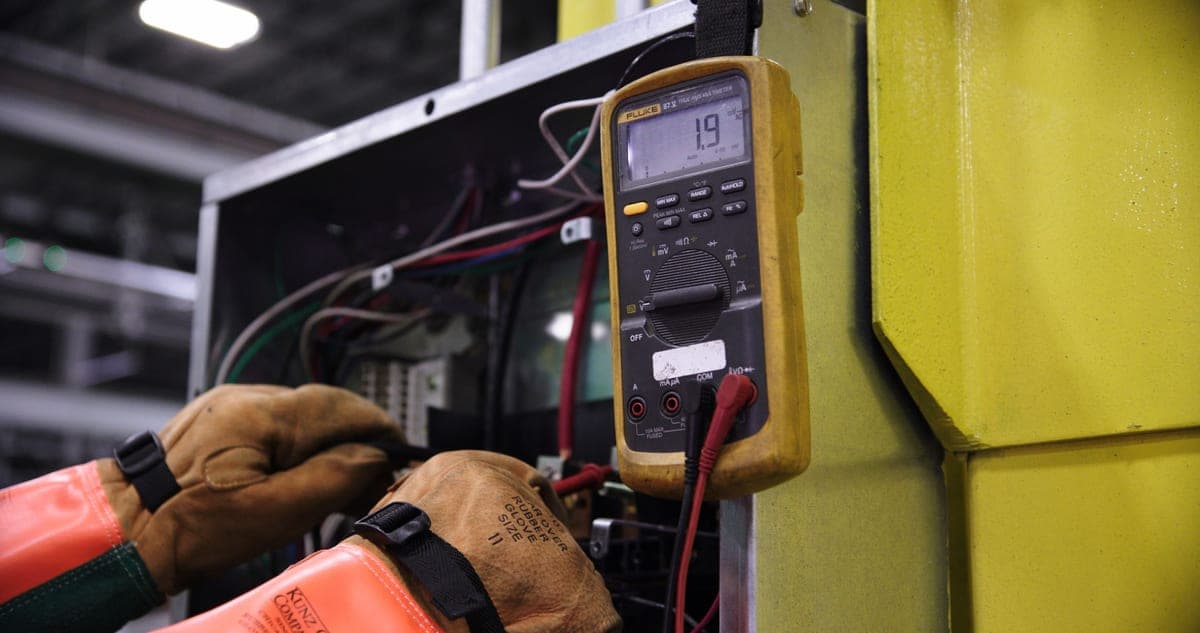
An auto-ranging meter is the difference between guessing and knowing whether you have a dead battery, a dead alternator or a parasitic drain.
This manufacturer does not publish a full specification table for this model on its own site. Rather than repeat figures we cannot source, the assessment below is limited to what the product category and the retailer listing genuinely establish.
What works
- Auto-ranging removes the main source of beginner error
- Reads resting and charging voltage, which is most of automotive electrical diagnosis
- Cheap enough that not owning one is hard to justify
What does not
- A voltage reading is not a load test — a battery can read 12.6 V and still fail under cranking load
- Entry-level leads are the weak point and are worth replacing
Skip it if
Not a scan tool. If you are chasing a check-engine light rather than an electrical fault, you want an OBD2 reader instead.
#ad Affiliate link · We show no price here; Amazon shows the current one
Key takeaways
- Cold reduces battery output and raises engine demand at the same moment.
- The decline was gradual; the failure only looks sudden.
- Summer heat is a major contributor to a January failure.
- A maintainer through winter prevents more failures than any pack resolves.
- Test in October, and get a load test — voltage alone does not measure capacity.
How we sourced this
Every figure on this page came from one of the following. Where a manufacturer or regulator does not publish a number, we say so rather than estimate it.
Common questions
- Why does my car battery die in cold weather?
- The battery's chemical reaction slows as temperature falls, so it delivers less current, while cold thick oil means the starter needs more. A battery already down to 70% of its original capacity handles summer fine and fails when both effects arrive together.
- Why is my new car battery dead in cold weather?
- Usually something other than the battery: short trips that never fully recharge it, a parasitic drain with the car off, a charging fault, or the wrong battery specification for a start-stop car. Measure running voltage — roughly 13.7-14.7 V is normal — before replacing anything again.
- How long before a car battery dies in cold weather?
- There is no reliable single figure, because it depends on the battery's remaining capacity, the vehicle's parasitic draw and how cold it gets. The consistent pattern is that a weak battery plus a cold snap is what strands cars, which is why testing before winter is worth more than any number.
- Does cold weather permanently damage a car battery?
- Cold itself mostly reduces performance temporarily. What does permanent damage is being left deeply discharged — a flat battery can freeze, and sitting discharged sulfates the plates. Heat in the preceding summer is the bigger permanent-damage factor.
More in Trunk Kit
What actually lives in the trunk, in the order it earns its space — and the pre-built kits that are a starting point rather than an answer.
Read next
Best for Cold Weather
For Cold Weather
Winter picks with real margin, plus the one situation where a lead-acid box beats lithium and why lithium usually still wins.

Guide
Winter Car Kit
What gets added for winter: cold-margin power, warmth that does not need the engine, traction, and the things people forget until it is dark.

Best Battery Maintainers
Best Maintainers
Low-current maintainers for seasonal and stored vehicles, including the solar option for anything parked away from an outlet.
Guide
Will It Start a Dead Battery?
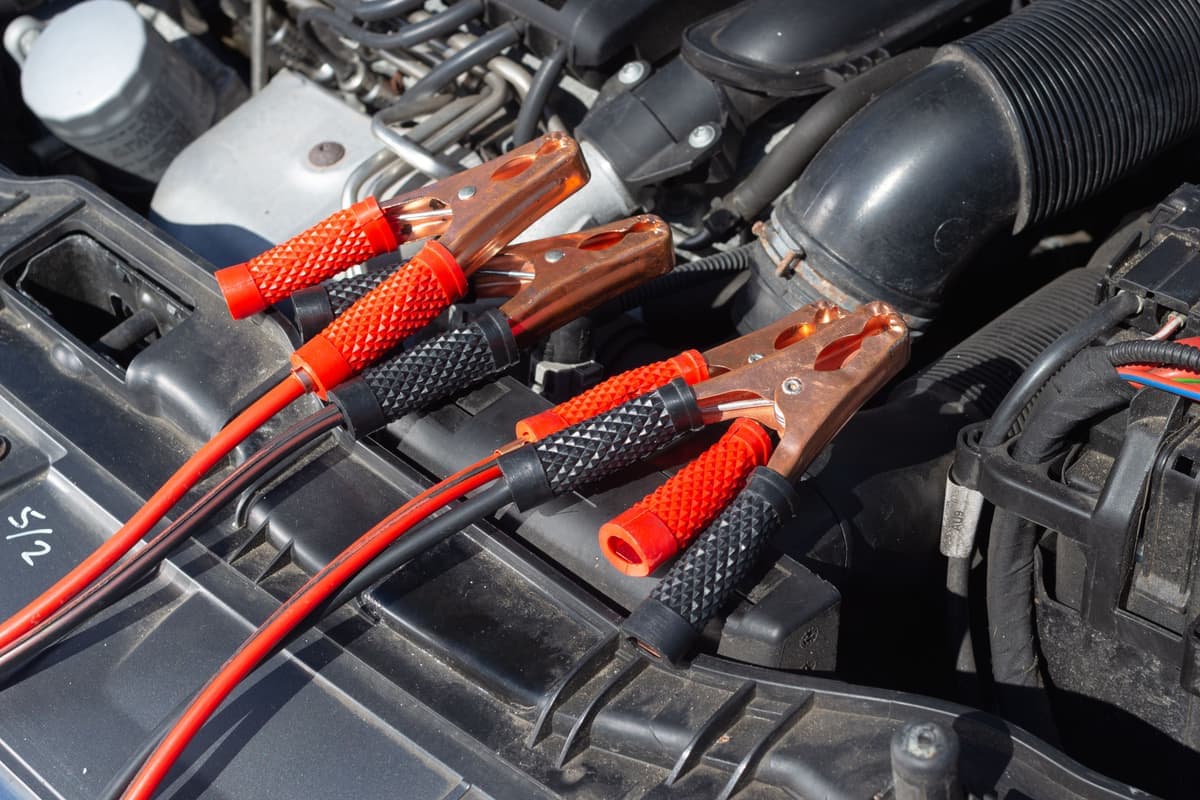
The difference between a discharged battery and a failed one, what a pack can and cannot do about each, and how to tell which you have.
Found something out of date, or a figure you can source better than we did? Tell us — corrections get read first. Our methodology explains how picks are made, and contact is one click away.