Battery Chargers
The best car battery chargers
If you have jumped the car twice this year, this is the page that actually solves it. Sized by amps and by the battery's amp-hour rating.
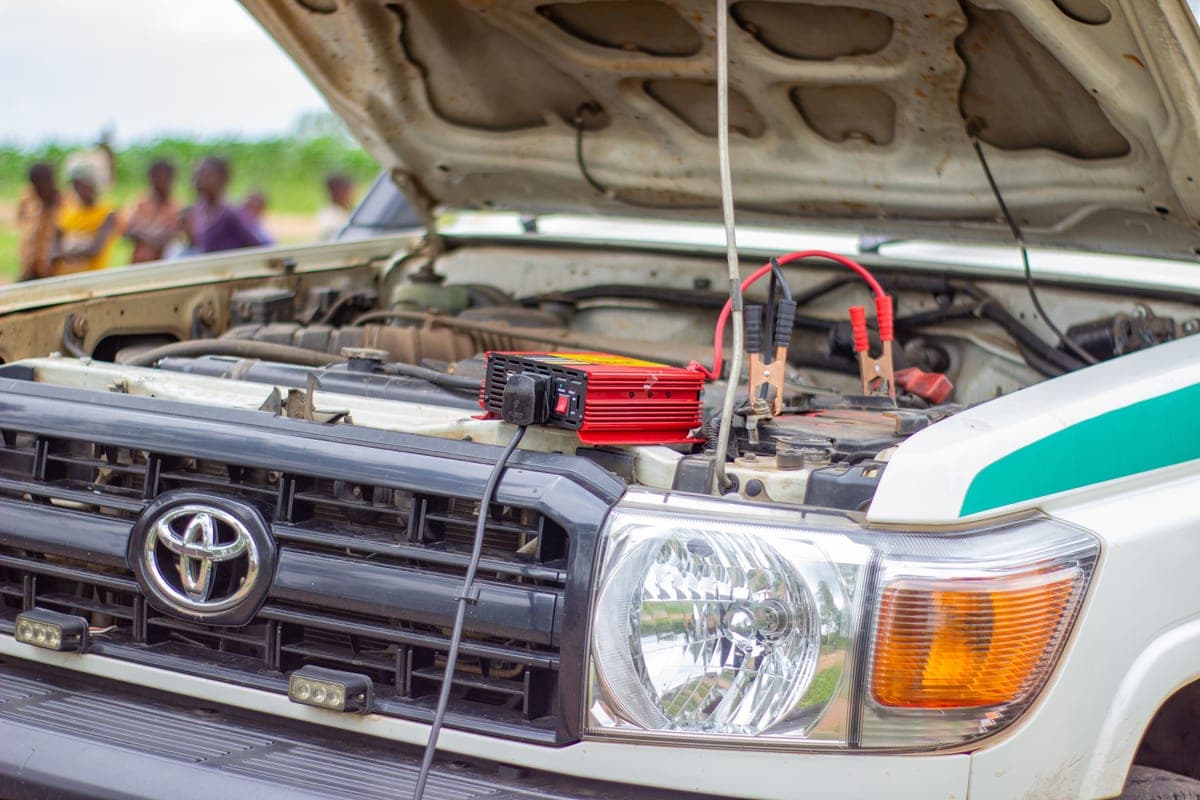
Disclosure: we earn a commission if you buy through the Amazon links on this page, at no extra cost to you. Commission never decides a verdict or a ranking position — read our editorial policy and affiliate disclosure.
How we assessed these: picks are selected from manufacturer specifications, current retailer listings and published owner feedback — not from hands-on testing of every unit. Unpublished figures are left out rather than estimated.
Short answer
For one passenger car, 5 amps is the right size: it recharges overnight and then holds the battery indefinitely. Use 10 amps for several vehicles or a deep-cycle bank, and 1-2 amps for motorcycles and lawn equipment. Check the charger's published capacity range against your battery's amp-hours.
A jump pack gets you moving. A charger is how you stop needing one — and it is the cheaper purchase of the two. A battery that lives at full charge lasts materially longer than one cycling between 60% and 80%, because sitting partly discharged is what sulfates the plates.
Quick picks
Tap any row to jump to the full write-up. Scoring criteria are published in full on our methodology page.
| # | Product | Best for | Our read | Price |
|---|---|---|---|---|
| 1 | NOCO GENIUS5 Best overall for one car | One car, charging and maintaining | 5 A and 120 Ah covers a single vehicle properly | Check price on Amazon #ad Affiliate link · We show no price here; Amazon shows the current one |
| 2 |  NOCO GENIUS10 Best for several vehicles | Several vehicles or a deep-cycle bank | 10 A and 230 Ah reaches deep-cycle banks | Check price on Amazon #ad Affiliate link · We show no price here; Amazon shows the current one |
| 3 |  Battery Tender Plus 12V 1.25A Best for long-term storage | Long-term storage on a car battery | 1.25 A, and a 10-year warranty behind it | Check price on Amazon #ad Affiliate link · We show no price here; Amazon shows the current one |
| 4 |  NOCO GENIUS2 Best for small batteries | Motorcycles, ATVs and lawn equipment | 2 A, for powersports and lawn equipment | Check price on Amazon #ad Affiliate link · We show no price here; Amazon shows the current one |
| 5 | 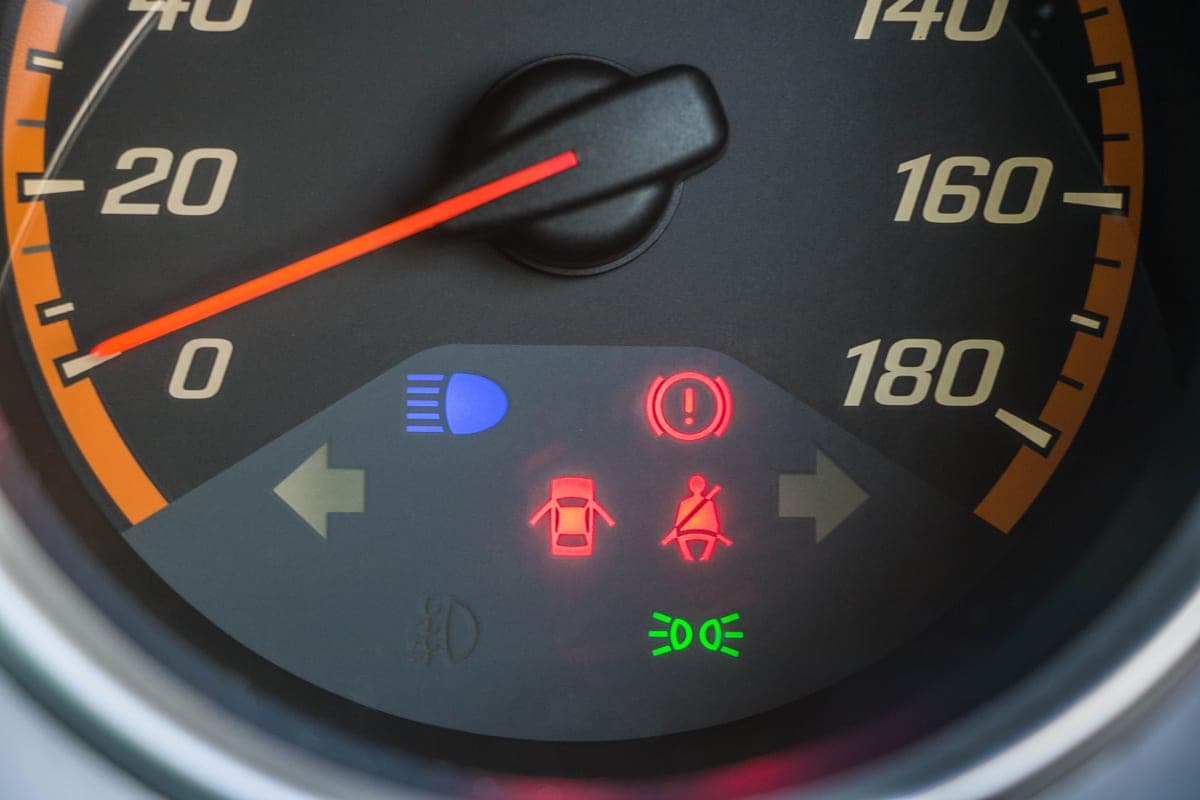 Schumacher SC1281 Best for fast garage charging | Fast charging plus engine-start assist | High current plus engine-start assist | Check price on Amazon #ad Affiliate link · We show no price here; Amazon shows the current one |
How we chose these
Published capacity range, not just amps. The amp rating tells you how fast; the amp-hour range tells you what size battery the unit is designed for. NOCO publishes both — the GENIUS5 at 5 A and up to 120 Ah, the GENIUS10 at 10 A and up to 230 Ah — which is exactly the pair of numbers you need to size a charger.
Cold rating. Most of this work happens in an unheated garage. NOCO rates the GENIUS line to operate from -4 to 104 °F, which is a published figure and a meaningful one.
Chemistry handling. Flooded, AGM and EFB batteries want different charge voltages, and an AGM charged on a flooded profile never reaches full. Any charger worth buying either detects chemistry or gives you a mode switch. AGM chargers covers what changes.
Warranty, because the spread is genuinely wide here: NOCO warrants the GENIUS line for three years, and Battery Tender warrants the Plus for ten.
Sizing table
| Your situation | Current | Capacity range needed | Example |
|---|---|---|---|
| Motorcycle, ATV, mower, jet ski | 1-2 A | Up to 40 Ah | NOCO GENIUS2 |
| One passenger car, charge and maintain | 5 A | Up to 120 Ah | NOCO GENIUS5 |
| Car in long-term storage | 1.25 A | Up to 80 Ah | Battery Tender Plus |
| Several vehicles, or a truck | 10 A | Up to 230 Ah | NOCO GENIUS10 |
| Deep-cycle RV or marine bank | 10 A minimum | Up to 230 Ah | NOCO GENIUS10 |
| Flat battery you need back today | High current + start assist | Varies | Schumacher SC1281 |
Capacity ranges are the manufacturers' published figures. The working rule behind them is that charge current of roughly 10% of the battery's amp-hour rating gives a comfortable charge — the full arithmetic is here.
The picks
1. Best overall for one car
NOCO GENIUS5
NOCO · Best for one car, charging and maintaining
The single most useful charger for one vehicle: 5 amps, 6 V and 12 V, batteries up to 120 Ah, and it can be left connected indefinitely.
Published specifications
What works
- 5 A recharges a car battery overnight and then holds it — one unit does both jobs
- Rated down to -4 °F, so it works in an unheated garage
- The 77-inch cable reaches from a wall outlet to most engine bays without an extension
- 3-year warranty, against 1 year on the jump-starter line
What does not
- 5 A is slow for a deeply discharged large battery — a 100 Ah battery is an all-nighter
- The 120 Ah ceiling rules out larger deep-cycle banks
Skip it if
Not enough charger if you are reviving deep-cycle RV or marine batteries. Step up to the GENIUS10 and its 230 Ah range.
#ad Affiliate link · We show no price here; Amazon shows the current one
Raw specifications: NOCO’s own page for the NOCO GENIUS5.
2. Best for several vehicles
NOCO GENIUS10
NOCO · Best for several vehicles or a deep-cycle bank
Twice the current of the GENIUS5 and nearly twice the capacity range — 10 amps up to 230 Ah, which is where RV, marine and multi-vehicle households land.
Published specifications
What works
- 10 A halves the charge time on a flat car battery against a 5 A unit
- The 230 Ah range covers deep-cycle RV and marine batteries the GENIUS5 cannot
- Same -4 °F cold rating and 3-year warranty as the smaller GENIUS units
What does not
- 10 A into a small motorcycle battery is more current than it wants — use a 1 A or 2 A unit there
- Heavier and pricier than a GENIUS5 for a household with one car
Skip it if
Not the right charger for a single motorcycle, ATV or lawn-tractor battery. Small batteries want small current.
#ad Affiliate link · We show no price here; Amazon shows the current one
Raw specifications: NOCO’s own page for the NOCO GENIUS10.
3. Best for long-term storage
Battery Tender Plus 12V 1.25A
Battery Tender · Best for long-term storage on a car battery
The storage-maintainer benchmark: 1.25 amps, automotive batteries up to 80 Ah, a four-step program and a 10-year warranty behind it.
Published specifications
What works
- A 10-year warranty is the longest in this category by a wide margin
- 1.25 A is low enough to leave connected through a winter without heat build-up
- Covers flooded, AGM and gel without a chemistry switch to get wrong
What does not
- 1.25 A is a maintainer current — it will not revive a deeply flat battery quickly
- The 80 Ah ceiling rules out large truck and deep-cycle batteries
- No 6 V mode on the standard Plus; that is a different model in the line
Skip it if
Not the unit for recovering a flat battery on a deadline. Buy it for the car that sits, not the car that stranded you this morning.
#ad Affiliate link · We show no price here; Amazon shows the current one
Raw specifications: Battery Tender’s own page for the Battery Tender Plus 12V 1.25A.
4. Best for small batteries
NOCO GENIUS2
NOCO · Best for motorcycles, atvs and lawn equipment
A 2-amp maintainer for the small batteries a car charger would cook: motorcycles, ATVs, mowers and anything that sits for months.
Published specifications
What works
- 2 A is the right order of magnitude for a 10-20 Ah powersports battery
- Safe to leave connected through a whole off-season
- Light and small enough to live on a shelf beside the bike
What does not
- The 40 Ah ceiling makes it a maintainer for a car battery, not a recovery charger
- Recharging a flat car battery at 2 A takes most of a weekend
Skip it if
Not the charger to buy if your actual problem is a flat car battery you need back tonight. That is a 5 A or 10 A job.
#ad Affiliate link · We show no price here; Amazon shows the current one
Raw specifications: NOCO’s own page for the NOCO GENIUS2.
5. Best for fast garage charging
Schumacher SC1281
Schumacher · Best for fast charging plus engine-start assist
A shop-style charger for the garage: high charge current plus an engine-start mode, for people who would rather fix the battery than carry a pack.
This manufacturer does not publish a full specification table for this model on its own site. Rather than repeat figures we cannot source, the assessment below is limited to what the product category and the retailer listing genuinely establish.
What works
- Charge currents well above a maintainer, so a flat battery is back in hours not overnight
- Engine-start assist covers the case where the battery is too far gone to take a charge quickly
- Automatic voltage detection reduces the chance of selecting the wrong mode
What does not
- Mains-powered and bulky — a garage tool, not a trunk tool
- High-current charging is harder on an ageing battery than a slow charge
- Engine-start mode is no substitute for a portable pack away from home
Skip it if
Useless on the roadside — there is no outlet on the shoulder of a highway. This is the home half of the problem; a lithium pack is the away half.
#ad Affiliate link · We show no price here; Amazon shows the current one
What a charger will and will not do
Will: recharge a discharged battery, hold a charged one at full indefinitely, and in many cases run a desulfation or repair cycle that recovers some capacity from a sulfated battery. Desulfation, explained is honest about how much that recovers.
Will not: fix a battery with a shorted or open cell. Those read wrong, take a charge that goes nowhere, and need replacing. A cheap multimeter tells you which you have in thirty seconds, and a free load test at a parts store confirms it.
Will not: work on a roadside. There is no outlet on the shoulder of a highway, which is why this hub and the jump starter hub are both necessary rather than alternatives. Jump starter vs battery charger draws that line properly.
Key takeaways
- 5 A for one car; 10 A for several or a deep-cycle bank; 1-2 A for powersports.
- Check the published capacity range in amp-hours, not just the amp rating.
- An AGM battery on a flooded charge profile never reaches full.
- A cold rating matters, because this happens in an unheated garage.
- No charger fixes a shorted cell — test before you buy a charger to solve it.
How we sourced this
Every figure on this page came from one of the following. Where a manufacturer or regulator does not publish a number, we say so rather than estimate it.
Common questions
- What is the best car battery charger?
- For a single passenger car, a 5-amp smart charger rated to batteries up to 120 amp-hours covers both jobs — overnight recharge and indefinite maintenance. The NOCO GENIUS5 is the reference point, with a published -4 °F cold rating and a three-year warranty.
- Is a 10 amp charger better than a 5 amp charger?
- Faster, not better. 10 amps halves the charge time on a flat car battery and reaches larger deep-cycle batteries the 5-amp units cannot. For one passenger car, 5 amps recharges overnight anyway, and gentler charging is easier on an ageing battery.
- Can I leave a car battery charger connected all the time?
- With a modern multi-stage charger, yes — once the battery is full it drops to a float voltage that only offsets self-discharge. The caution applies to old unregulated trickle chargers, which keep pushing current and will boil off electrolyte over weeks.
- Do I need a different charger for an AGM battery?
- You need one that supports AGM, either by detecting chemistry or via a mode switch. AGM batteries want a different charge voltage from flooded ones, and charging an AGM on a flooded profile leaves it permanently short of full. If your car has start-stop it almost certainly has an AGM or EFB battery.
More in Battery Chargers
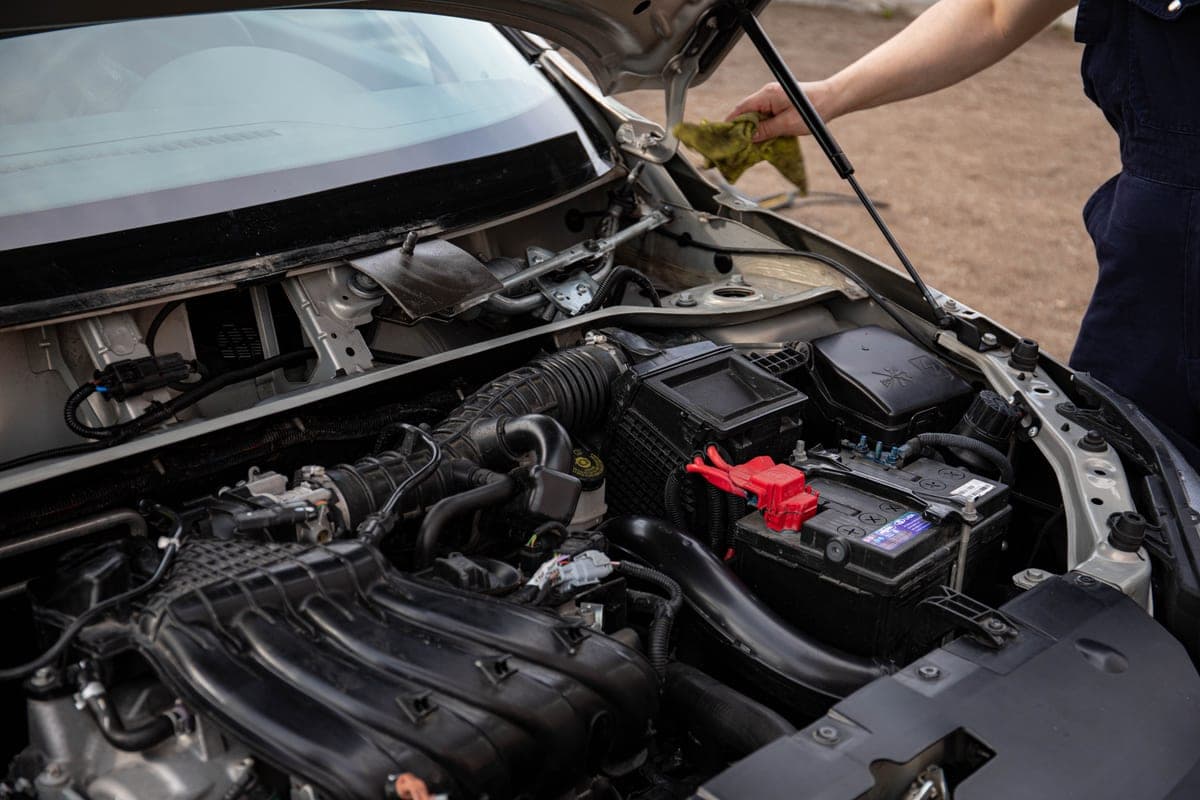
A jump pack gets you moving. A charger is how you stop needing one. This is the home half of the problem.
Read next
Guide
What Amp Do I Need?
Charge current sizing by battery capacity, with the 10% guideline shown in full and manufacturer capacity ranges to verify against.
Review
NOCO GENIUS5 Review
5 A, 6 V and 12 V, up to 120 Ah, -4 °F cold rating, 77-inch cable, three-year warranty. The default one-car answer.
Head to head
Charger vs Maintainer
The difference in one table, why the amp rating is the giveaway, and which one solves the problem you actually have.
Guide
How Long to Charge
A charge-time table by amps and capacity, the arithmetic behind it, and why the final stage is always slower than the calculation suggests.
Found something out of date, or a figure you can source better than we did? Tell us — corrections get read first. Our methodology explains how picks are made, and contact is one click away.