Skip to content
Clamp & Crank

Clamp & Crank

Car battery chargers and maintainers

A jump pack gets you moving. A charger is how you stop needing one. This is the home half of the problem.

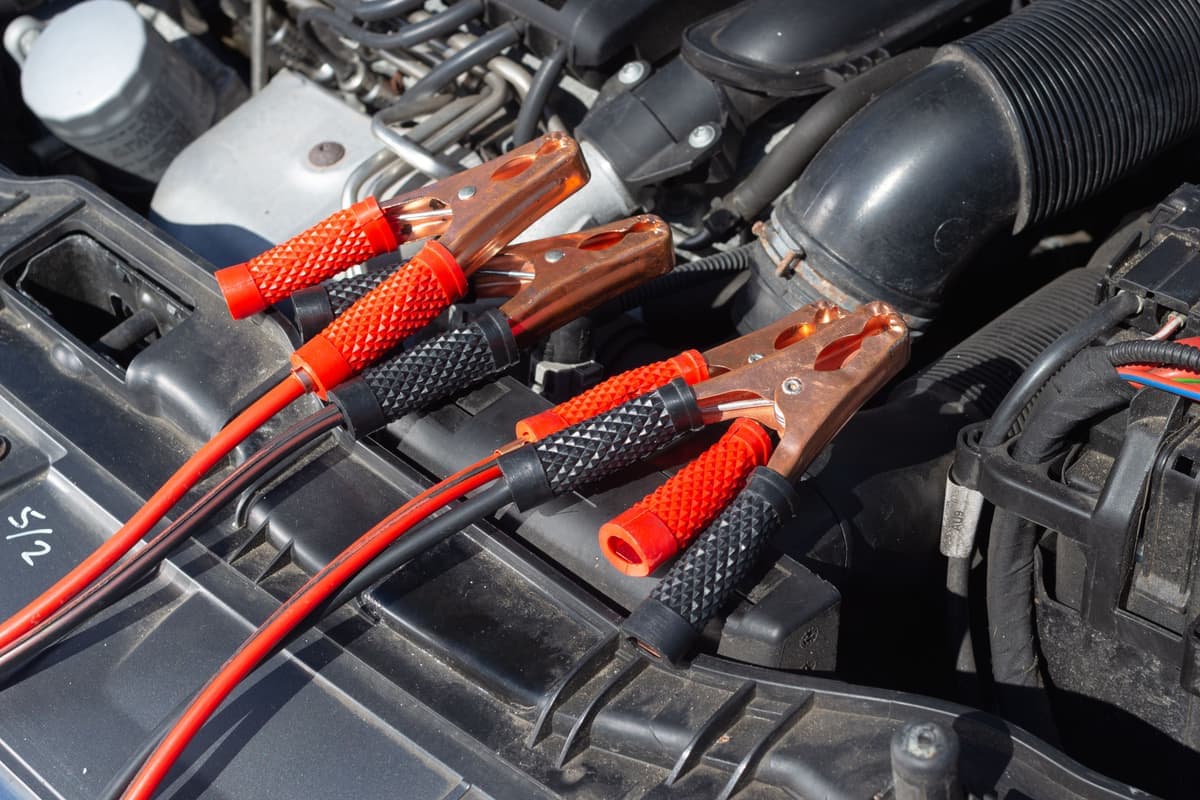
A battery charger connected under an open car hood

If you have jumped your car more than once in a year, the jump pack is not your problem — it is your symptom. Something is either draining the battery faster than the alternator replaces it, or the battery has lost the capacity to hold what it is given. A charger is how you find out which, and how you deal with the first case without buying a new battery you did not need.

This is also the quietest high-value purchase on the whole site. A battery that spends its life fully charged lasts materially longer than one that cycles between 60% and 80%, because sitting partly discharged is what sulfates the plates. A maintainer costs a small fraction of a battery, and it can add years to one.

Charger or maintainer — they are different tools

A charger puts meaningful current into a battery to refill it: 5 amps, 10 amps, sometimes far more. A maintainer (also called a trickle charger or a tender) supplies a very small current indefinitely to hold a charged battery at full, offsetting the parasitic drain from alarms, keyless entry and clocks. The confusion is understandable because modern units do both, switching from bulk charge to float automatically — but the amp rating tells you which job the unit is actually built for.

A 1.25 A unit like the Battery Tender Plus is a maintainer that can eventually charge. A 10 A unit like the NOCO GENIUS10 is a charger that can also maintain. Charger vs maintainer sets the two side by side.

Sizing: match amps to the battery, not to impatience

The rough rule is that charge current should be somewhere around 10% of the battery's amp-hour capacity for a comfortable charge, and manufacturers publish a capacity range for exactly this reason — NOCO rates the GENIUS5 to batteries up to 120 Ah and the GENIUS10 to 230 Ah. Undershoot and the charge takes an unreasonably long time; overshoot and you are heating a battery that did not ask for it.

In practice: one car, 5 amps. Several vehicles or a deep-cycle RV or marine bank, 10 amps. A motorcycle, ATV or lawn tractor, 1-2 amps — a car-sized charger will cook a 12 Ah powersports battery. What amp battery charger do I need works through the arithmetic, and how long to charge a car battery shows the hours at each current so the figure is verifiable rather than asserted.

Chemistry is the spec people skip

Flooded lead-acid, AGM, EFB and lithium all want different charge voltages, and an AGM battery charged on a flooded profile will not reach full. Any charger worth buying either detects chemistry or gives you a mode switch. If your car has start-stop, it almost certainly has an AGM or EFB battery, which makes this a live question rather than a technicality. Our guide to AGM battery chargers covers what changes.

Cold matters too. NOCO rates the GENIUS line to operate down to -4 °F, which is what makes it usable in an unheated garage — and an unheated garage is where most of this work happens.

What decides price

Current output and capacity range first. Then the charge algorithm — multi-stage charging, chemistry detection, and a genuine float mode that will not overcharge on a three-month connection. Then build: cable length (NOCO's 77-inch DC lead reaches from a wall outlet to most engine bays without an extension, which sounds trivial until you are short by a foot), the case rating, and the warranty. On that last point the range is wide: NOCO warrants the GENIUS line for three years, and Battery Tender warrants the Plus for ten.

The mistake buyers make

Buying a maintainer to solve an emergency. If the car is dead in the driveway this morning, a 1.25 A tender will not have it running before lunch. That is a 5 A or 10 A job, or a jump pack. Conversely, buying a 10 A charger for a motorcycle that sits all winter is using the wrong tool in the other direction.

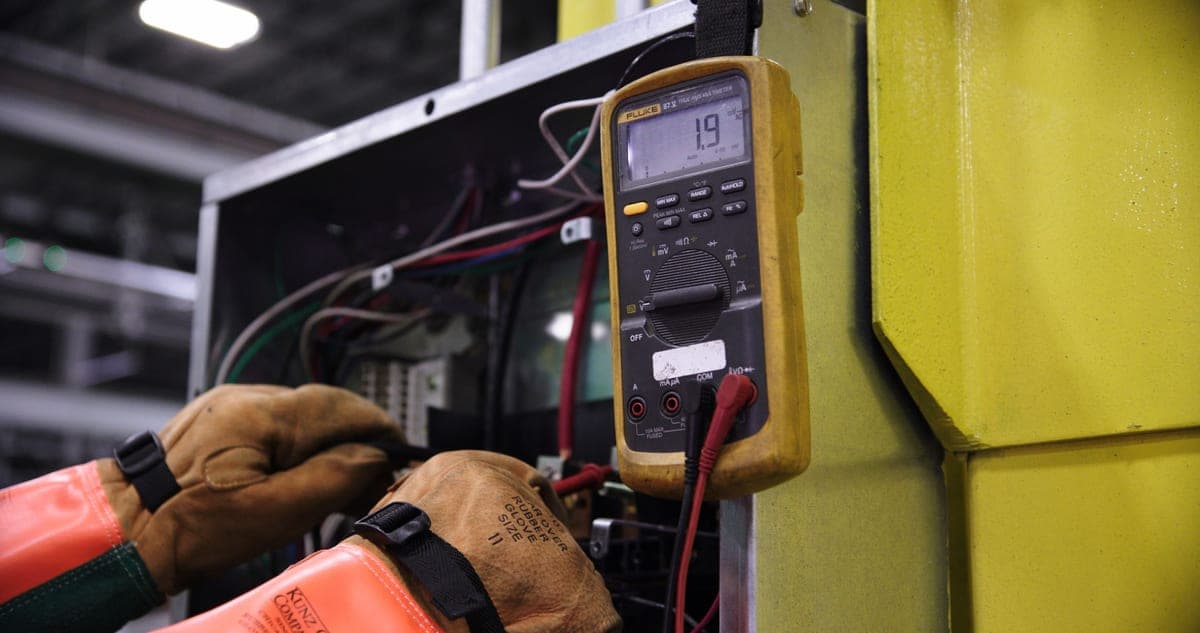
The other mistake is assuming a charger will revive any battery. It will not. A battery with a shorted cell reads low, takes a charge that goes nowhere, and needs replacing — which is why a cheap multimeter earns its place in the trunk kit. Can you overcharge a car battery covers the specific case where leaving a charger connected genuinely does harm, and where it does not.


Buying guides

Ranked picks with a comparison table, per-pick reasoning, and an honest note on who each one is wrong for.

A workshop wall hung with automotive hand tools

Best Battery Maintainers

Best Maintainers

Low-current maintainers for seasonal and stored vehicles, including the solar option for anything parked away from an outlet.

Top pick: Battery Tender Plus 12V 1.25A

Check price on Amazon

#ad Affiliate link · We show no price here; Amazon shows the current one

A car battery under an open hood with the terminals exposed

Best AGM Chargers

Best AGM Chargers

Chargers with a genuine AGM mode, what changes about the charge voltage, and how to tell which chemistry your car actually has.

Top pick: NOCO GENIUS5

Check price on Amazon

#ad Affiliate link · We show no price here; Amazon shows the current one

A portable solar panel array set up outdoors

Best Solar Maintainers

Best Solar Maintainers

Solar maintainers for vehicles stored away from an outlet, with a clear statement of what they cannot do and why a controller matters.

Top pick: Battery Tender Solar Maintainer

Check price on Amazon

#ad Affiliate link · We show no price here; Amazon shows the current one

Model reviews

Single products, assessed against the manufacturer's own published specifications.

A battery charger connected under an open car hood

Review

NOCO GENIUS5 Review

5 A, 6 V and 12 V, up to 120 Ah, -4 °F cold rating, 77-inch cable, three-year warranty. The default one-car answer.

Read it

Head to head

Direct comparisons, including the ones where the honest answer is "neither".

A battery charger connected under an open car hood

Head to head

Charger vs Maintainer

The difference in one table, why the amp rating is the giveaway, and which one solves the problem you actually have.

Read it

A close-up of a car engine bay with battery clamps

Head to head

Jump Starter vs Charger

The away-from-home tool against the at-home tool, which to buy first, and how to tell which your situation actually calls for.

Read it

Guides and how-tos

Sizing, specs, procedures and troubleshooting — the decision content behind the picks.

A car battery under an open hood with the terminals exposed

Guide

What Amp Do I Need?

Charge current sizing by battery capacity, with the 10% guideline shown in full and manufacturer capacity ranges to verify against.

Read it

A battery charger connected under an open car hood

Guide

How Long to Charge

A charge-time table by amps and capacity, the arithmetic behind it, and why the final stage is always slower than the calculation suggests.

Read it

Hands working on machinery in a garage

How to

How to Charge a Battery

The full sequence with a portable charger: connection order, chemistry setting, what the stages mean, and when to remove the battery first.

Read it

A car battery under an open hood with the terminals exposed

Guide

Can You Overcharge It?

What overcharging does to a battery, why a modern multi-stage charger cannot do it, and how to tell whether yours is the old kind.

Read it

A technician testing an electrical panel with a meter

Guide

Desulfation Explained

What sulfation is, what a repair or desulfation mode actually does, how much it recovers, and the batteries you should not use it on.

Read it

Common questions

What amp battery charger do I need for my car?
For a single passenger car, 5 amps is the sweet spot: it recharges overnight and then holds the battery indefinitely. Use 10 amps if you are charging several vehicles or a deep-cycle RV or marine battery, and 1-2 amps for motorcycle, ATV and lawn-equipment batteries. Check the charger's published capacity range against your battery's amp-hour rating rather than guessing.
How long does it take to charge a car battery?
Divide the amp-hours you need to replace by the charger's current, then add roughly 20% for charging inefficiency. A 60 Ah battery at 50% charge needs about 30 Ah, which is about seven hours at 5 amps or three and a half at 10. The final stage is always slower than the arithmetic suggests, because a smart charger tapers current as the battery approaches full.
Can you leave a battery maintainer connected all the time?
Yes, with a modern multi-stage maintainer — that is what it is designed for. Once the battery reaches full, the unit drops to a float voltage and supplies only enough current to offset self-discharge. The caution applies to old unregulated trickle chargers, which keep pushing current regardless and will boil off electrolyte over weeks.
Is a battery charger the same as a jump starter?
No, and they solve different halves of the same problem. A charger puts energy back into the battery over hours and needs a wall outlet. A jump starter supplies cranking current directly for a few seconds and works anywhere. If your battery keeps dying you need a charger; if you need to move the car right now, away from home, you need a pack.