Battery Chargers
Can you overcharge a car battery?
Yes, with the wrong charger. No, with the right one. The difference is whether the unit has a float stage — and it is easy to check.
Disclosure: we earn a commission if you buy through the Amazon links on this page, at no extra cost to you. Commission never decides a verdict or a ranking position — read our editorial policy and affiliate disclosure.
How we assessed these: figures here are published manufacturer specifications, cited inline, or arithmetic shown in full. Procedures follow the sequence manufacturers publish; your own charger's manual wins where it differs.
Short answer
Yes, with an old unregulated charger that pushes a fixed current regardless of state of charge. No, with a modern multi-stage charger, which drops to a float voltage once the battery is full. Battery Tender states plainly that its Plus will not overcharge however long it stays connected.
What overcharging actually does
Past full charge, the energy you keep supplying has nowhere useful to go, so it electrolyses the water in the electrolyte into hydrogen and oxygen. Three consequences follow:
- Water loss. The electrolyte level falls. On a serviceable flooded battery you can top it up with distilled water. On a sealed battery you cannot, and that is where overcharging turns permanent.
- Heat. Overcharging generates heat, which accelerates plate corrosion and shortens life independently of the water loss.
- Gas. Hydrogen is flammable. This is why charging happens in a ventilated space, and why a vigorously bubbling battery is a signal to stop.
In extreme cases the case can distort or split. Long before that, you have simply shortened the battery's life.
Why a modern charger cannot do this
A multi-stage charger measures the battery's voltage and changes what it does. Full current during bulk charge, tapering current during absorption, then a float stage where it holds a low voltage and supplies only the trickle needed to offset self-discharge. At float it is not pushing energy into a full battery; it is replacing what leaks out.
| Sign | Modern multi-stage | Old unregulated |
|---|---|---|
| Indicator lights showing stages | Yes | No, or a single lamp |
| Chemistry or battery-type selector | Common | No |
| Manual mentions float or maintenance mode | Yes | No |
| Safe to leave connected for months | Yes | No |
| Behavior once the battery is full | Drops to float | Keeps pushing current |
| Age | Anything current | Typically decades old |
If your unit has no lights, no selector and no mention of float in the manual, treat it as unregulated and do not leave it unattended.
Sealed batteries: the case where it is permanent
A sealed AGM or gel battery has no filler caps. Water lost to overcharging cannot be replaced, so capacity loss is permanent. This is why chargers have an AGM mode with a different absorption voltage, and why desulfation or repair modes come with warnings — those modes raise voltage deliberately.
Can the car itself overcharge the battery?
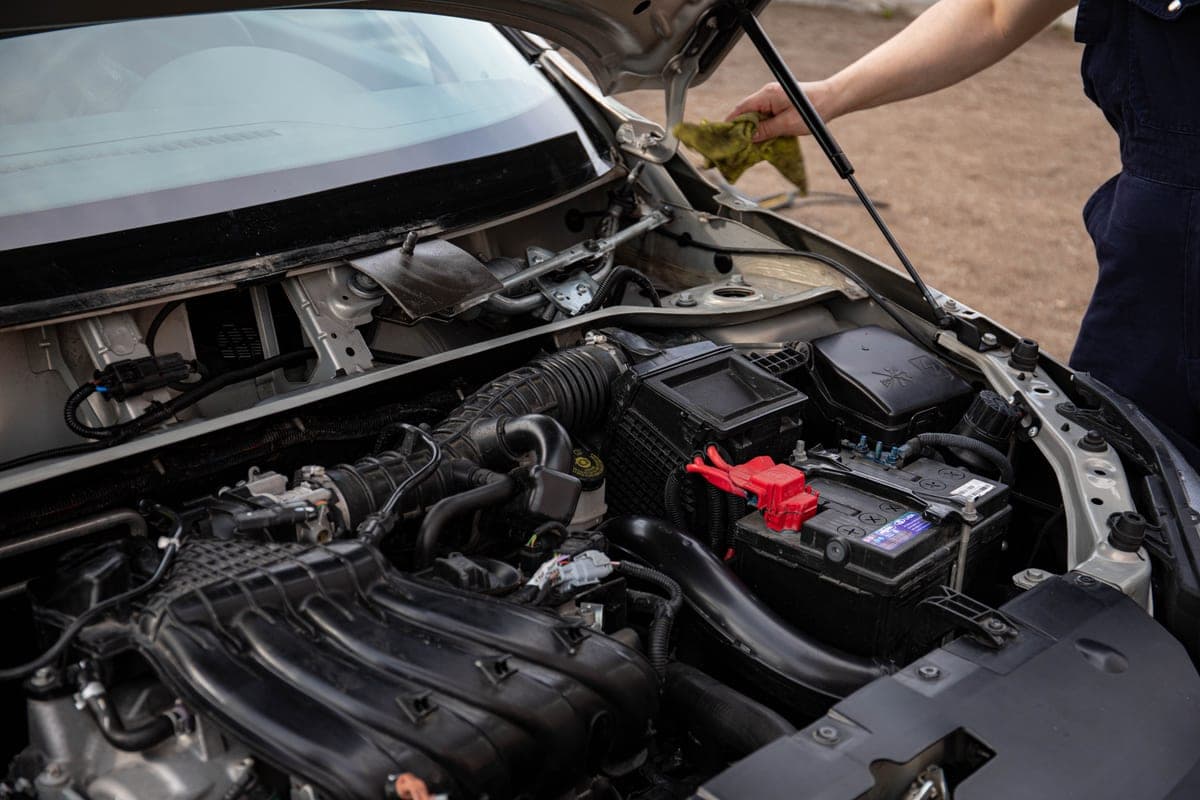
Yes, and it is worth knowing because it is a fault people misdiagnose as a bad battery. A failed voltage regulator in the alternator can push charging voltage above the normal range, cooking the battery over weeks.
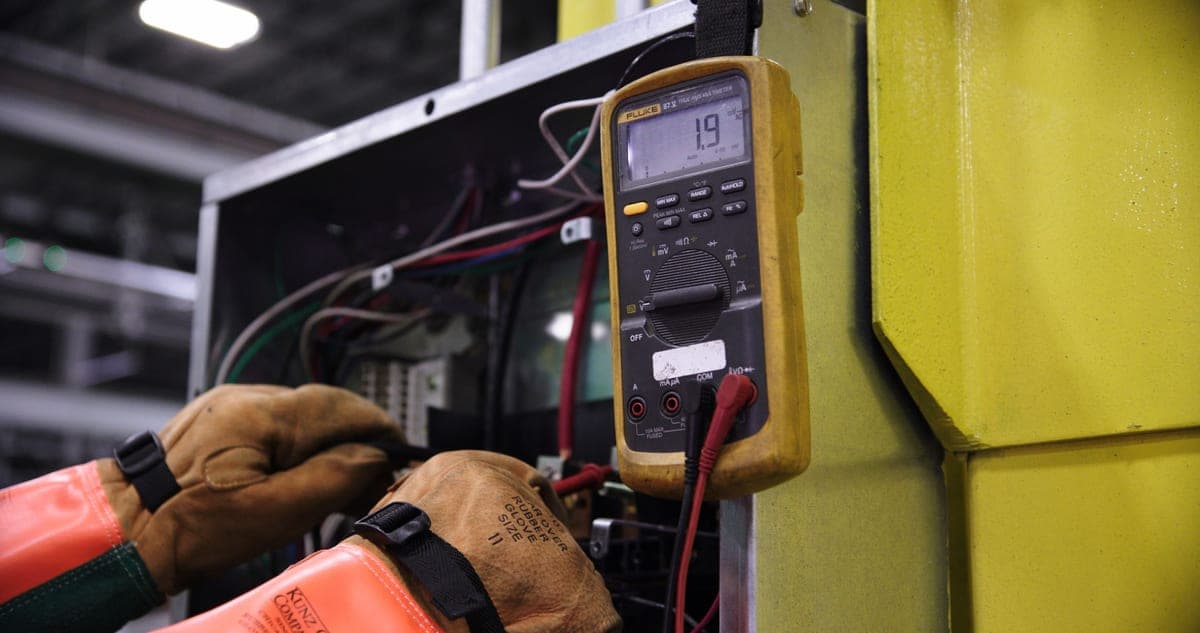
The check is quick: with the engine running, measure across the battery terminals. Roughly 13.7-14.7 V is normal. Substantially above that — well over 15 V — points at the charging system, not the battery, and replacing the battery will simply feed it a second victim. A multimeter is the tool.
The usual questions, answered directly
- Can you overcharge with a trickle charger? With a modern regulated maintainer, no. With a genuinely old unregulated trickle charger left on for weeks, yes.
- Can you overcharge with a 10 amp charger? Not if it is multi-stage — it will taper and float. What 10 A can do is deliver too much current to a *small* battery, which is a different fault with similar consequences.
- Can you overcharge with a 2 amp charger? Same answer: chemistry and regulation matter, current does not, provided the unit has a float stage.
- Does leaving it on overnight hurt? With any modern charger, no. That is the normal intended use.
The picks

1. Multi-stage, so it cannot overcharge
NOCO GENIUS5
NOCO · Best for one car, charging and maintaining
The single most useful charger for one vehicle: 5 amps, 6 V and 12 V, batteries up to 120 Ah, and it can be left connected indefinitely.
Published specifications
What works
- 5 A recharges a car battery overnight and then holds it — one unit does both jobs
- Rated down to -4 °F, so it works in an unheated garage
- The 77-inch cable reaches from a wall outlet to most engine bays without an extension
- 3-year warranty, against 1 year on the jump-starter line
What does not
- 5 A is slow for a deeply discharged large battery — a 100 Ah battery is an all-nighter
- The 120 Ah ceiling rules out larger deep-cycle banks
Skip it if
Not enough charger if you are reviving deep-cycle RV or marine batteries. Step up to the GENIUS10 and its 230 Ah range.
#ad Affiliate link · We show no price here; Amazon shows the current one
Raw specifications: NOCO’s own page for the NOCO GENIUS5.

2. Explicitly rated for indefinite connection
Battery Tender Plus 12V 1.25A
Battery Tender · Best for long-term storage on a car battery
The storage-maintainer benchmark: 1.25 amps, automotive batteries up to 80 Ah, a four-step program and a 10-year warranty behind it.
Published specifications
What works
- A 10-year warranty is the longest in this category by a wide margin
- 1.25 A is low enough to leave connected through a winter without heat build-up
- Covers flooded, AGM and gel without a chemistry switch to get wrong
What does not
- 1.25 A is a maintainer current — it will not revive a deeply flat battery quickly
- The 80 Ah ceiling rules out large truck and deep-cycle batteries
- No 6 V mode on the standard Plus; that is a different model in the line
Skip it if
Not the unit for recovering a flat battery on a deadline. Buy it for the car that sits, not the car that stranded you this morning.
#ad Affiliate link · We show no price here; Amazon shows the current one
Raw specifications: Battery Tender’s own page for the Battery Tender Plus 12V 1.25A.

3. Right current for a small battery
NOCO GENIUS2
NOCO · Best for motorcycles, atvs and lawn equipment
A 2-amp maintainer for the small batteries a car charger would cook: motorcycles, ATVs, mowers and anything that sits for months.
Published specifications
What works
- 2 A is the right order of magnitude for a 10-20 Ah powersports battery
- Safe to leave connected through a whole off-season
- Light and small enough to live on a shelf beside the bike
What does not
- The 40 Ah ceiling makes it a maintainer for a car battery, not a recovery charger
- Recharging a flat car battery at 2 A takes most of a weekend
Skip it if
Not the charger to buy if your actual problem is a flat car battery you need back tonight. That is a 5 A or 10 A job.
#ad Affiliate link · We show no price here; Amazon shows the current one
Raw specifications: NOCO’s own page for the NOCO GENIUS2.
Key takeaways
- Overcharging electrolyses water out of the electrolyte and generates heat.
- On a sealed AGM the water cannot be replaced, so the damage is permanent.
- A multi-stage charger drops to float and cannot overcharge.
- Old unregulated trickle chargers are the real risk — check for a float stage.
- A faulty alternator regulator can overcharge too; measure running voltage.
How we sourced this
Every figure on this page came from one of the following. Where a manufacturer or regulator does not publish a number, we say so rather than estimate it.
Common questions
- Can you overcharge a car battery?
- With an old unregulated charger, yes — it keeps pushing current regardless of state of charge, electrolyzing water out of the electrolyte and heating the battery. With a modern multi-stage charger, no, because it drops to a float voltage once the battery is full.
- What happens when you overcharge a car battery?
- The excess energy splits water in the electrolyte into hydrogen and oxygen, so the electrolyte level falls and the battery heats up. On a serviceable flooded battery you can top up with distilled water. On a sealed AGM you cannot, so the capacity loss is permanent.
- Can you overcharge a battery with a trickle charger?
- With a modern regulated maintainer, no — Battery Tender states its Plus will not overcharge however long it stays connected. With a genuinely old unregulated trickle charger left connected for weeks, yes, and that is the source of the reputation.
- Can my alternator overcharge the battery?
- Yes, if the voltage regulator fails. Measure across the terminals with the engine running: roughly 13.7-14.7 V is normal, and substantially above 15 V points at the charging system. Replacing the battery without fixing that simply damages the new one.
More in Battery Chargers
A jump pack gets you moving. A charger is how you stop needing one. This is the home half of the problem.
Read next
Guide
How Long Can You Leave It On?
Why modern maintainers are designed for permanent connection, what to check occasionally anyway, and the one kind of unit to never leave unattended.
Guide
Desulfation Explained
What sulfation is, what a repair or desulfation mode actually does, how much it recovers, and the batteries you should not use it on.
Best AGM Chargers
Best AGM Chargers
Chargers with a genuine AGM mode, what changes about the charge voltage, and how to tell which chemistry your car actually has.

How to
How to Charge a Battery
The full sequence with a portable charger: connection order, chemistry setting, what the stages mean, and when to remove the battery first.
Found something out of date, or a figure you can source better than we did? Tell us — corrections get read first. Our methodology explains how picks are made, and contact is one click away.