Jump Starters
Why won't my jump starter work?
Symptom, cause, fix. Most of these are a connection or a safety interlock rather than a dead pack.
Disclosure: we earn a commission if you buy through the Amazon links on this page, at no extra cost to you. Commission never decides a verdict or a ranking position — read our editorial policy and affiliate disclosure.
How we assessed these: procedures here follow the general sequence manufacturers publish for lithium jump packs. Always follow your own pack's and vehicle's manuals where they differ — designated jump points vary by vehicle.
Short answer
Work through it in this order: is the pack charged, are the clamps biting clean metal, is the pack showing a fault code, and is it correctly sized for the engine. Most apparent failures are a poor connection or a deliberate safety interlock, not a dead pack.
The pack will not turn on at all
- It is discharged. By far the most likely cause, and the reason quarterly charging is the whole habit. Put it on charge and see whether it wakes up.
- It has been heat-damaged. A pack that lived in a hot trunk may have lost enough capacity to be unusable. If it will not take a charge, that is the diagnosis.
- The charging cable or port has failed. Try a different cable and a different source before condemning the pack.
- The case is swollen. Stop. Do not charge it. Recycle it at a battery collection point.
The pack powers on but will not deliver current
This is almost always a safety interlock doing its job rather than a fault:
| Indication | Usual cause | What to do |
|---|---|---|
| Reverse-polarity warning | Clamps on the wrong terminals | Swap them. Red to positive, black to negative or the specified ground. |
| No battery detected | Battery voltage below the pack's detection threshold, or a clamp not making contact | Re-seat the clamps onto clean metal. If the battery is genuinely at near-zero volts, use the pack's manual override per its manual. |
| Short-circuit warning | Clamps touching each other or both touching the same metal | Separate them and re-connect properly. |
| Nothing happens on cranking | Corroded terminal, or the wrong connection point on the vehicle | Clean the terminal, and check the manual for designated jump points. |
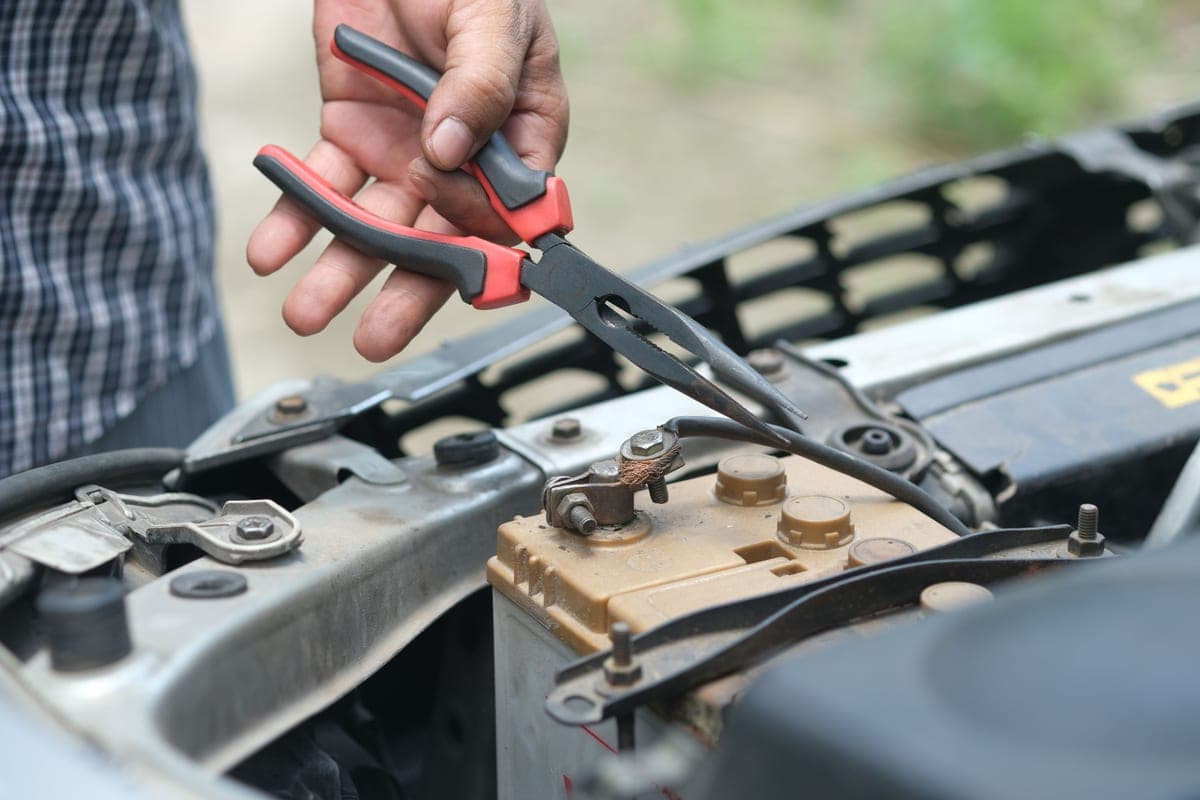
Corrosion deserves its own mention. A clamp resting on a layer of white or green terminal corrosion is not connected in any useful sense — at hundreds of amps that layer is an insulator. Wiggle the clamp until it bites into metal, or clean the terminal first.
The engine cranks but slowly, and will not catch
The pack is delivering, but not enough. Three causes, in order of likelihood:
- The pack is not fully charged. Partial charge means less available current.
- The pack is undersized for the engine. Check your engine against the published rating — the sizing table — remembering that diesel ratings run about half the gas figure.
- It is cold. Cold reduces what the pack delivers and raises what the engine needs. This is the case for buying margin.
It worked before and does not now
If the pack used to start this engine and no longer will, and it charges to full, the most likely explanation is permanent capacity loss from heat. That is not recoverable and it is not a defect. See storage and heat — and store the replacement somewhere cooler.
Is it the pack or the battery?
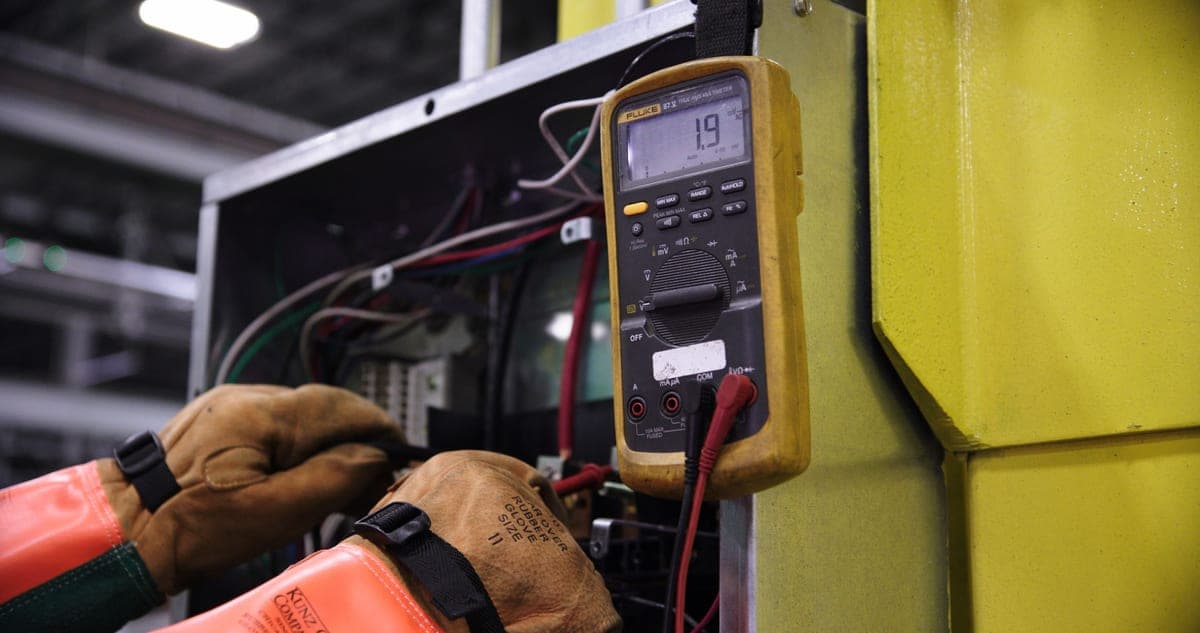
Thirty seconds with a multimeter settles it. Measure the battery's resting voltage, jump the car, then measure with the engine running — you should see roughly 13.7-14.7 V from the alternator. Shut off, wait a few hours, measure again: a battery that falls back to where it started is not holding charge and needs replacing. Whether a jump starter will start a dead battery walks through the full diagnosis.
What to have on hand
1. The tool that ends the guessing
INNOVA 3320 Digital Multimeter
INNOVA · Best for checking whether the battery is the problem
An auto-ranging meter is the difference between guessing and knowing whether you have a dead battery, a dead alternator or a parasitic drain.
This manufacturer does not publish a full specification table for this model on its own site. Rather than repeat figures we cannot source, the assessment below is limited to what the product category and the retailer listing genuinely establish.
What works
- Auto-ranging removes the main source of beginner error
- Reads resting and charging voltage, which is most of automotive electrical diagnosis
- Cheap enough that not owning one is hard to justify
What does not
- A voltage reading is not a load test — a battery can read 12.6 V and still fail under cranking load
- Entry-level leads are the weak point and are worth replacing
Skip it if
Not a scan tool. If you are chasing a check-engine light rather than an electrical fault, you want an OBD2 reader instead.
#ad Affiliate link · We show no price here; Amazon shows the current one
2. If the pack is genuinely finished
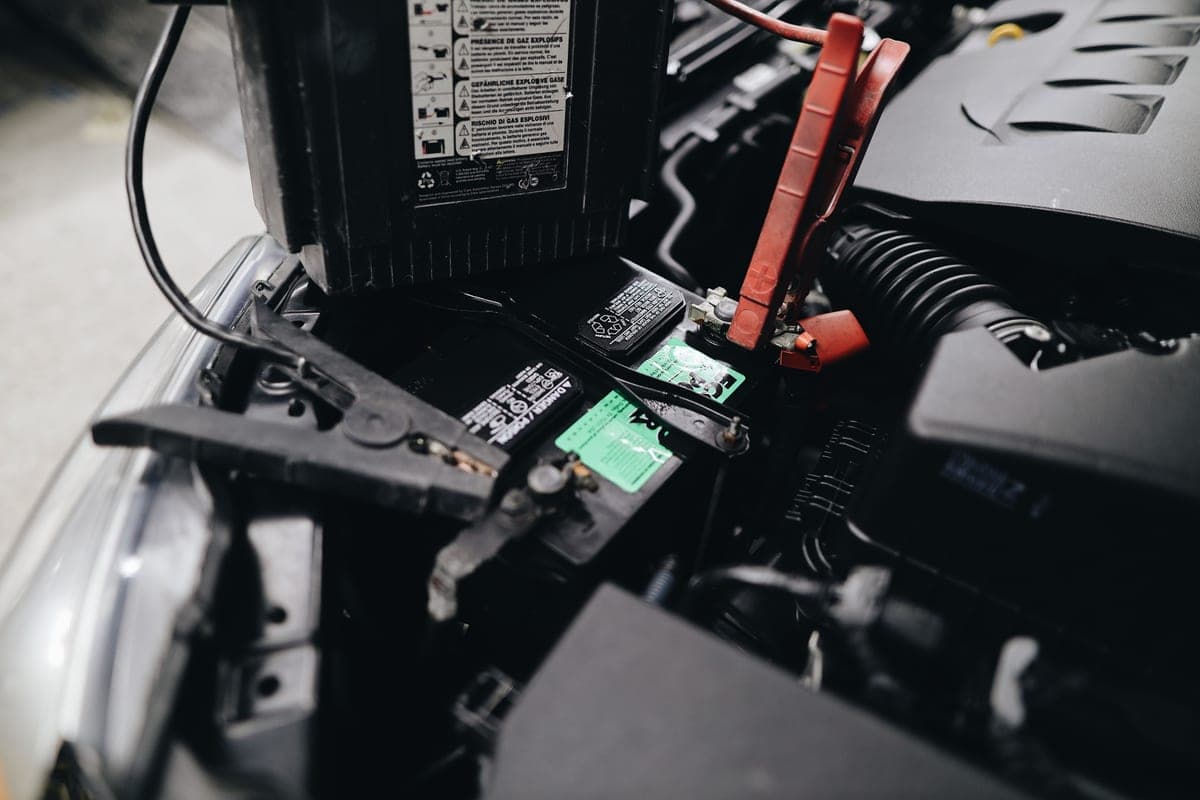
NOCO Boost Plus GB40
NOCO · Best for most cars and small suvs
The default answer for a four- or six-cylinder car: 1,000 peak amps, 24 watt-hours, and light enough that it actually stays in the trunk.
Published specifications
What works
- 24 Wh sits far under the 100 Wh carry-on threshold, so flying with it needs no airline approval
- 2.45 lb and pocketable — the size that decides whether a tool is still in the trunk six months later
- IP65 enclosure, so a wet shoulder in the rain is not a problem
- Reverse-polarity protection means a backwards clamp does not spark
What does not
- 1,000 peak amps runs out of headroom above a 6.0 L gas engine
- The 3.0 L diesel ceiling rules out most modern diesel pickups
- 24 Wh is a small reserve — it is a jump starter, not a power bank substitute
Skip it if
Not the one to buy if you drive a diesel pickup or a big V8. You would be at the edge of its rating on a cold morning, which is exactly when you want margin.
#ad Affiliate link · We show no price here; Amazon shows the current one
Raw specifications: NOCO’s own page for the NOCO Boost Plus GB40.
3. If the battery is the real problem
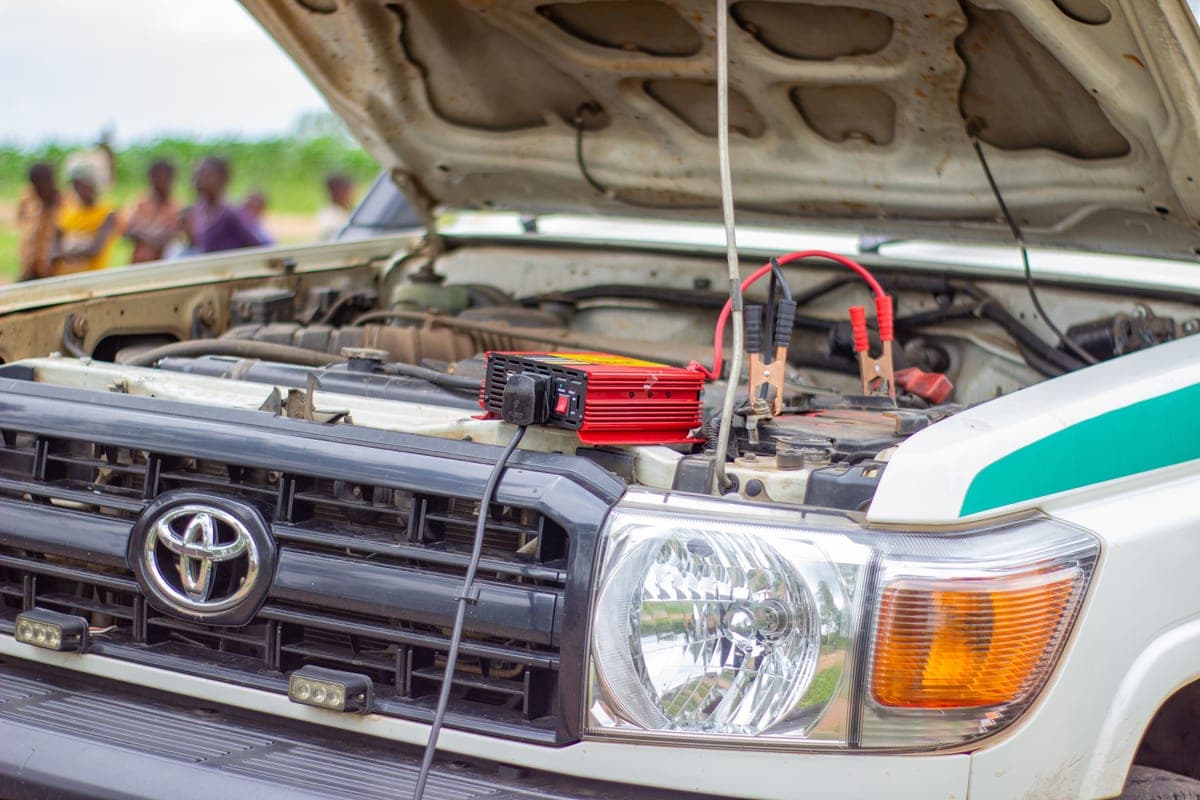
NOCO GENIUS5
NOCO · Best for one car, charging and maintaining
The single most useful charger for one vehicle: 5 amps, 6 V and 12 V, batteries up to 120 Ah, and it can be left connected indefinitely.
Published specifications
What works
- 5 A recharges a car battery overnight and then holds it — one unit does both jobs
- Rated down to -4 °F, so it works in an unheated garage
- The 77-inch cable reaches from a wall outlet to most engine bays without an extension
- 3-year warranty, against 1 year on the jump-starter line
What does not
- 5 A is slow for a deeply discharged large battery — a 100 Ah battery is an all-nighter
- The 120 Ah ceiling rules out larger deep-cycle banks
Skip it if
Not enough charger if you are reviving deep-cycle RV or marine batteries. Step up to the GENIUS10 and its 230 Ah range.
#ad Affiliate link · We show no price here; Amazon shows the current one
Raw specifications: NOCO’s own page for the NOCO GENIUS5.
Key takeaways
- Most apparent failures are a discharged pack or a clamp on corrosion.
- Fault indications are usually safety interlocks, not defects — read them.
- Slow cranking means undersized, undercharged, or cold.
- A pack that no longer starts an engine it used to has lost capacity to heat.
- Complete silence with the pack ready points to a starter or immobilizer fault.
How we sourced this
Every figure on this page came from one of the following. Where a manufacturer or regulator does not publish a number, we say so rather than estimate it.
Common questions
- Why won't my jump starter turn on?
- Most often it is discharged — a pack left uncharged for many months may not wake up until it has been on charge for a while. Try a different cable and power source before condemning it. If it will not take a charge at all, or the case looks swollen, it needs recycling rather than repairing.
- Why does my jump starter beep and not work?
- A beep or a warning light is usually a safety interlock: reversed clamps, no battery detected, or a short between the clamps. Check polarity, make sure both clamps are biting clean metal rather than corrosion, and keep the clamps apart. Only then consider the manual-override procedure in the pack's manual.
- Why does the engine crank slowly with a jump starter connected?
- The pack is supplying current but not enough of it. Either it is not fully charged, it is undersized for your engine — check the published rating, and remember diesel ratings are roughly half the gas figure — or it is cold, which reduces output while raising the engine's demand.
- My jump starter used to work and now doesn't. What changed?
- Most likely permanent capacity loss from heat. Sustained high temperature degrades lithium cells irreversibly, so a pack that spent summers in a hot trunk may charge to full and still have less capacity than it did new. Store the replacement in the cabin, out of direct sun.
More in Jump Starters
A jump pack is the one trunk tool that turns a tow truck into a five-minute inconvenience. This is how to size one, and which ones are worth the space.
Read next
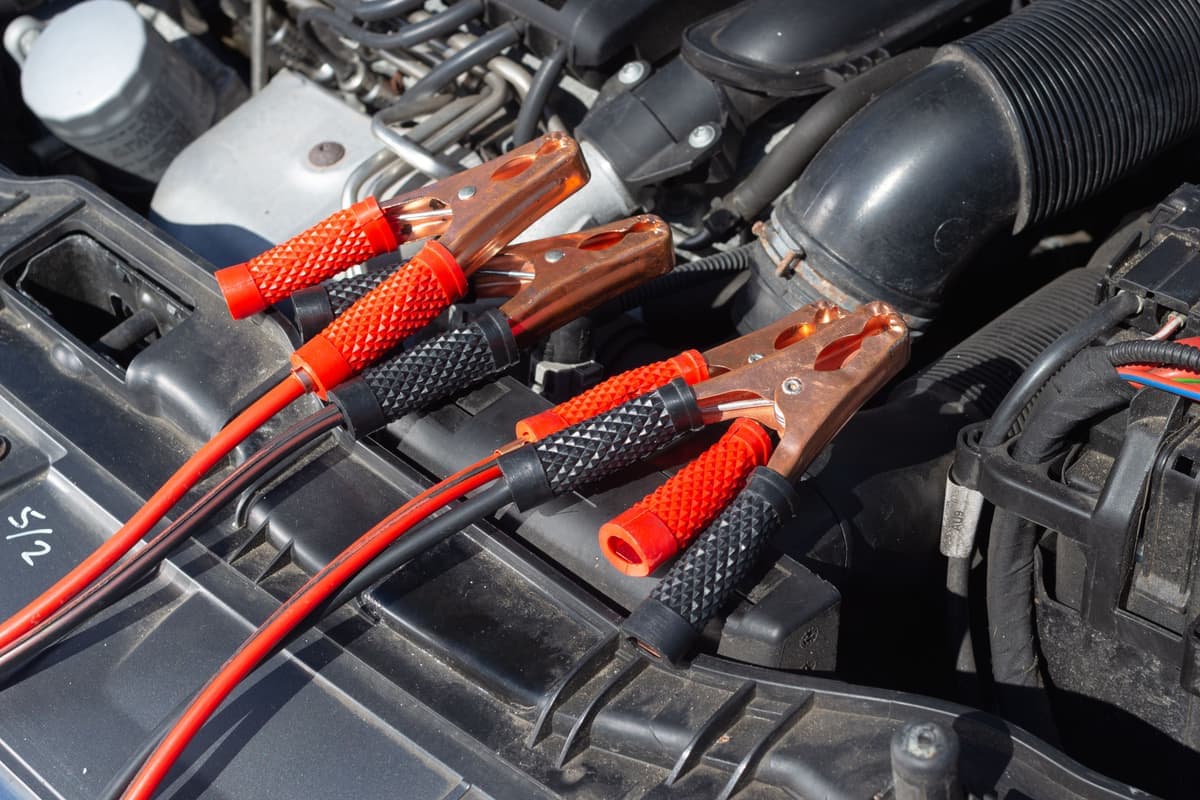
Guide
Will It Start a Dead Battery?
The difference between a discharged battery and a failed one, what a pack can and cannot do about each, and how to tell which you have.
How to
How to Charge One
Charging methods and times, how often to top up, and why a pack that sat in a hot car all summer needs checking before winter.

Guide
How Long Does One Last?
Charge retention, starts per charge and total service life, separated out — plus the one factor that shortens all three.
Best Automotive Multimeters
Best Multimeters
Meters for automotive electrical work, the readings that actually diagnose a no-start, and the one thing a voltmeter cannot measure.
Found something out of date, or a figure you can source better than we did? Tell us — corrections get read first. Our methodology explains how picks are made, and contact is one click away.