Trunk Kit
The roadside emergency kit checklist
Ordered by how likely each item is to get you home, not by how many pieces it lets a marketer claim.
Disclosure: we earn a commission if you buy through the Amazon links on this page, at no extra cost to you. Commission never decides a verdict or a ranking position — read our editorial policy and affiliate disclosure.
How we assessed these: picks are selected from manufacturer specifications, current retailer listings and published owner feedback — not from hands-on testing of every unit. Unpublished figures are left out rather than estimated.
Short answer
In priority order: reflective triangles, a jump starter sized to your engine, a tire inflator, a real flashlight with fresh batteries, work gloves, a blanket, basic first aid, a tire gauge, a multi-tool, and a phone power bank kept separate from the jump pack. Everything else is a refinement.
Most kit checklists are written by someone who has never had to fit the result around a stroller. A 94-item list is a fantasy: trunk space is finite, and every item you add has to still be there and still work in eighteen months. So this list is short, and it is ordered.
The order things earn their space
- Reflective triangles or flares. Cheap, batteryless, flat-packing, and the only item here that addresses the actual danger of a roadside stop rather than the inconvenience. Put them out *before* you open the hood.
- A jump starter, sized to your engine. The most common single failure, and the only one you can fix in two minutes with no second vehicle. Size it here.
- A tire inflator. The second most common failure, and the one that recurs monthly as a slow leak rather than arriving as an emergency. The roundup.
- A real flashlight, with fresh cells. Not the one that came in the kit. Half of roadside work happens in the dark or inside a wheel well.
- Work gloves. Engine bays are hot, sharp and filthy. Gloves are the difference between doing the job and deciding not to.
- A blanket and a jacket you would not mind ruining. Warmth that does not depend on the engine running.
- Basic first aid. Small, cheap, and the one item you hope stays unopened.
- A tire pressure gauge. Separate from the inflator, because built-in gauges drift.
- A multi-tool or a small set of pliers and a screwdriver. Enough to reattach something that has come loose.
- A phone power bank, separate from the jump pack. So one dead battery does not also take out navigation and the ability to call anyone.
What to skip, and why
| Item | Our view |
|---|---|
| Jumper cables, if you have a pack | Still worth carrying — they never go flat — but as the backup, not the plan. Why |
| Tow strap | Only if you have somewhere to attach it and someone to pull you. Improper recovery points cause real damage. |
| Spare fuses | Yes if your car's fuse box is accessible and you know which circuits matter. Otherwise it is weight. |
| Coolant and oil | A liter of the correct oil is sensible on an older car. Coolant is better dealt with at a shop unless you know the system is simply low. |
| Fire extinguisher | Reasonable if you will maintain it. An unchecked extinguisher after six hot summers is not a safety device. |
| Duct tape | Yes. It is genuinely useful and weighs nothing. |
| A full socket set | No. Roadside repairs you can actually complete rarely need one, and it is heavy. |
| Bottled water | Yes in hot or remote areas. Rotate it — plastic and heat do not mix well over years. |
Pre-built kit or assemble your own?
Buy a pre-built kit if you currently have nothing, because one purchase ends the procrastination and the small consumables — ties, tape, gloves, basic first aid — are things almost nobody buys individually. Then treat it as a base. The jumper cables and the flashlight in a pre-built kit are the first two items worth replacing, and no kit at this price point includes a jump starter or an inflator. The kit roundup is explicit about what is in the box.
Where to put it
- Triangles flat, near the top. You want them out before you want anything else, and digging for them defeats the point.
- The jump pack in the cabin, not the trunk, if you can — sustained heat permanently costs a lithium pack capacity. Storage and heat.
- Everything else in one bag, so it does not migrate around the trunk and so you can lift the whole kit out when you need the space.
- Nothing loose. A tool rolling around a trunk becomes a projectile in a collision.
The twice-a-year check
Tie it to the clock change and you will remember. Check that the jump pack holds charge, that flashlight cells have not leaked, that first-aid items are in date, that the spare tire is actually inflated, and that nothing has been borrowed and not returned — which is the most common reason a kit is incomplete when it matters.
The picks

1. Buy this first
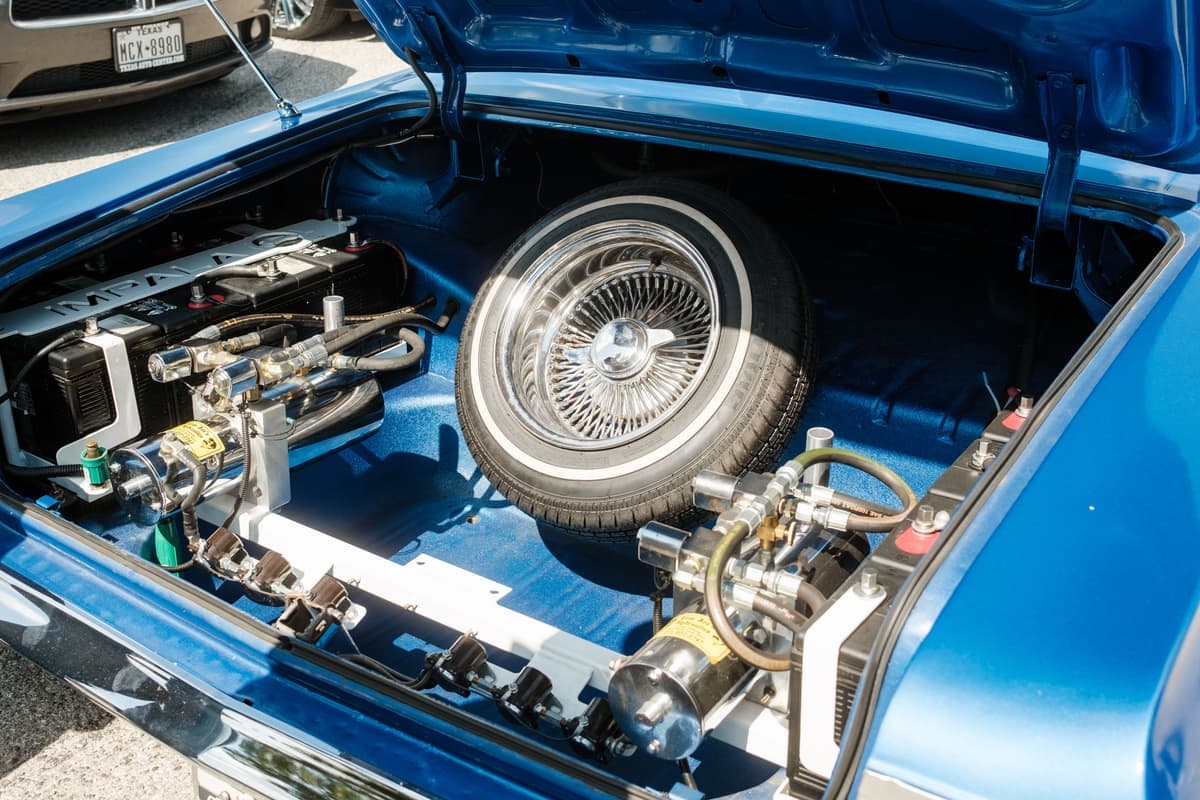
Reflective Warning Triangle Set
Various · Best for being seen before anything else
The cheapest item in the trunk that changes an outcome. Before you open the hood on a shoulder, you want traffic to know you are there.
This manufacturer does not publish a full specification table for this model on its own site. Rather than repeat figures we cannot source, the assessment below is limited to what the product category and the retailer listing genuinely establish.
What works
- Works without batteries, in any weather, for as long as you own the car
- Folds flat, so it costs almost no trunk space
- Visible far enough back to give traffic time to move over
What does not
- Only useful if you actually get out and place it, which takes a deliberate habit
- Plastic bases crack if they live loose under heavier gear
Skip it if
Not a substitute for hazard lights or for getting clear of the roadway. Placement matters more than the product.
#ad Affiliate link · We show no price here; Amazon shows the current one
2. The single most useful tool
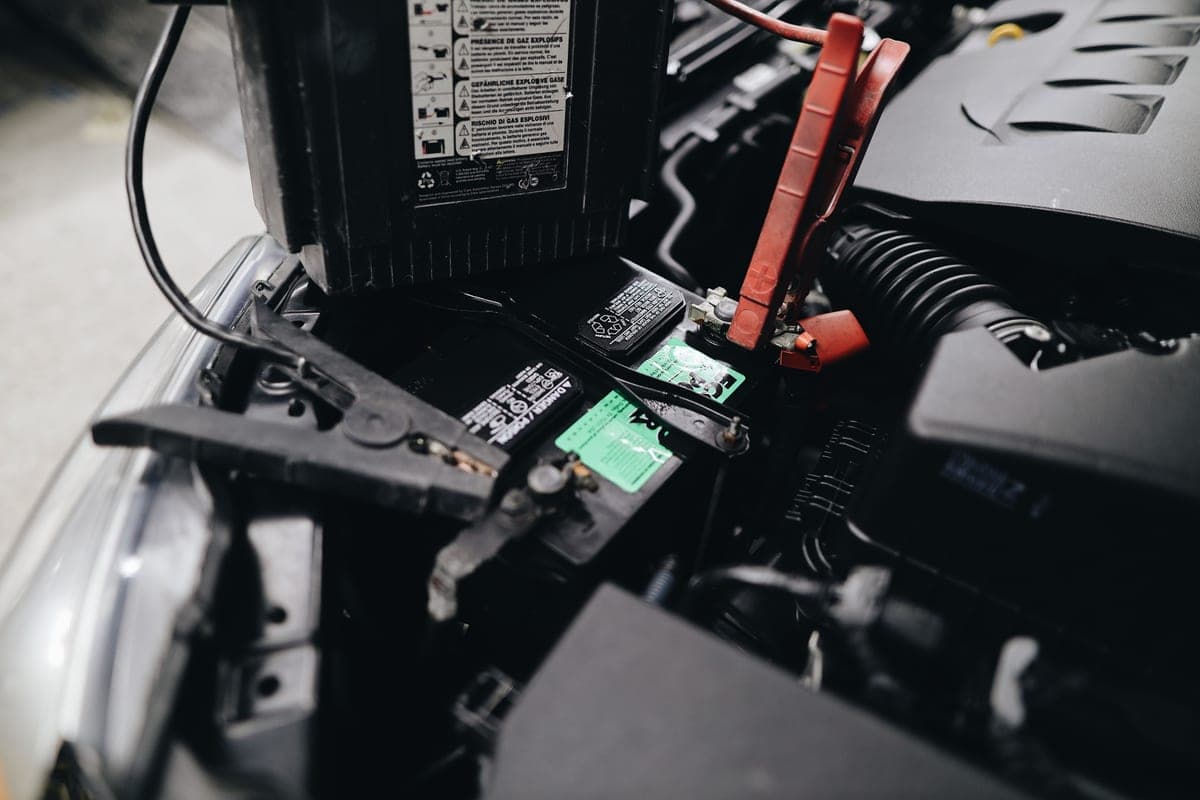
NOCO Boost Plus GB40
NOCO · Best for most cars and small suvs
The default answer for a four- or six-cylinder car: 1,000 peak amps, 24 watt-hours, and light enough that it actually stays in the trunk.
Published specifications
What works
- 24 Wh sits far under the 100 Wh carry-on threshold, so flying with it needs no airline approval
- 2.45 lb and pocketable — the size that decides whether a tool is still in the trunk six months later
- IP65 enclosure, so a wet shoulder in the rain is not a problem
- Reverse-polarity protection means a backwards clamp does not spark
What does not
- 1,000 peak amps runs out of headroom above a 6.0 L gas engine
- The 3.0 L diesel ceiling rules out most modern diesel pickups
- 24 Wh is a small reserve — it is a jump starter, not a power bank substitute
Skip it if
Not the one to buy if you drive a diesel pickup or a big V8. You would be at the edge of its rating on a cold morning, which is exactly when you want margin.
#ad Affiliate link · We show no price here; Amazon shows the current one
Raw specifications: NOCO’s own page for the NOCO Boost Plus GB40.
3. The most frequently used tool
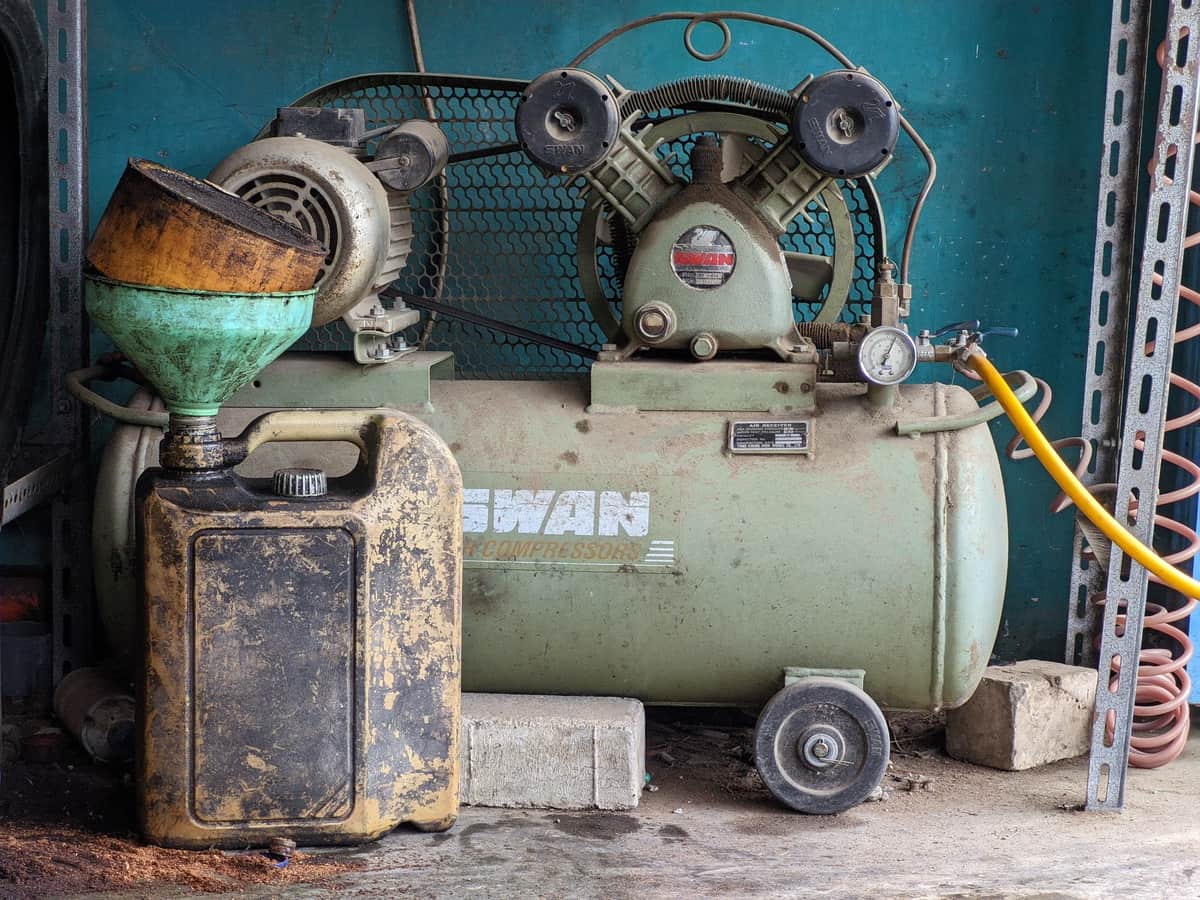
AstroAI 12V Tire Inflator
AstroAI · Best for the cheapest inflator still worth owning
A plain 12 V socket-powered inflator with a digital gauge and auto-shutoff — the baseline that covers a car's tires with no battery to maintain.
This manufacturer does not publish a full specification table for this model on its own site. Rather than repeat figures we cannot source, the assessment below is limited to what the product category and the retailer listing genuinely establish.
What works
- Powered from the 12 V socket, so it works whenever the car does
- Nothing to keep charged, which means it is never flat when the tire is
- Digital preset shutoff at the target pressure
What does not
- The cord limits where you can work, and reaching a rear tire can be tight
- Small-motor inflators in this tier run hot; large tires need rest intervals
- Gauge accuracy in this class varies unit to unit, so verify against a separate gauge
Skip it if
Not the pick if you regularly air down and back up for trails, or run light-truck tires. That is dedicated-compressor work.
#ad Affiliate link · We show no price here; Amazon shows the current one
4. The fastest way to stop having nothing
AAA Roadside Emergency Kit
AAA / Lifeline · Best for a ready-made starting point
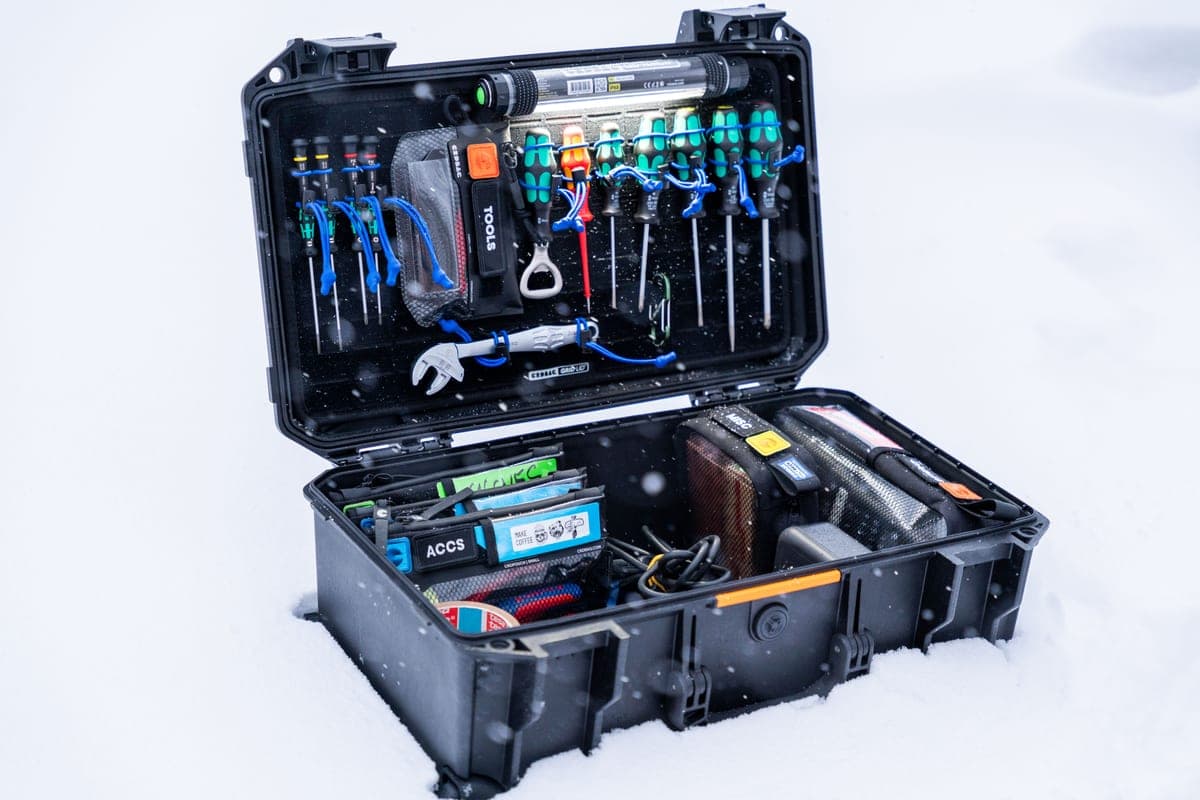
A pre-assembled kit is the fastest way to stop having no kit. Treat it as a base to upgrade, not a finished answer.
This manufacturer does not publish a full specification table for this model on its own site. Rather than repeat figures we cannot source, the assessment below is limited to what the product category and the retailer listing genuinely establish.
What works
- Removes the excuse — one purchase and there is something in the trunk tonight
- The bag and organization are usually better than what you would improvise
- Covers the small consumables nobody buys on their own: gloves, ties, tape, first aid
What does not
- The jumper cables and flashlight in pre-built kits are the first things worth replacing
- Advertised item counts include individual bandages, which inflates the apparent value
- No kit at this level includes a jump starter or an inflator — the two things that actually get you moving
Skip it if
Not sufficient on its own. If you buy one, budget for a jump starter and an inflator alongside it, because the kit will include neither.
#ad Affiliate link · We show no price here; Amazon shows the current one
Key takeaways
- Be seen first: triangles come out before the hood goes up.
- A jump starter and an inflator are the two items that actually get you moving.
- Replace the cables and the flashlight that come in pre-built kits.
- Keep the phone power bank separate from the jump pack.
- Check the kit twice a year, including the spare tire's pressure.
How we sourced this
Every figure on this page came from one of the following. Where a manufacturer or regulator does not publish a number, we say so rather than estimate it.
Common questions
- What should be in a roadside emergency kit?
- In priority order: reflective triangles, a jump starter sized to your engine, a tire inflator, a real flashlight with fresh batteries, work gloves, a blanket, basic first aid, a tire gauge, a multi-tool, and a phone power bank kept separate from the jump pack.
- What is the most important item in a car emergency kit?
- Reflective triangles, which is not the intuitive answer. They are the only item that addresses the real danger of a roadside stop — being hit — rather than the inconvenience of the breakdown. The jump starter is the most useful, but being visible comes first.
- How often should I check my car emergency kit?
- Twice a year, and tying it to the clock change makes it easy to remember. Check that the jump pack holds charge, flashlight batteries have not leaked, first-aid supplies are in date, and the spare tire is inflated.
- Do I still need jumper cables if I have a jump starter?
- They are worth carrying as the backup. A pack's one real failure mode is being flat when you need it, and cables never go flat. But cables need a second running vehicle, so they cannot be your only plan.
More in Trunk Kit
What actually lives in the trunk, in the order it earns its space — and the pre-built kits that are a starting point rather than an answer.
Read next
Best Roadside Kits
Best Emergency Kits
Pre-assembled kits worth buying as a base, what to replace immediately, and the two items no kit at this price includes.

Guide
Winter Car Kit
What gets added for winter: cold-margin power, warmth that does not need the engine, traction, and the things people forget until it is dark.
Best Portable Jump Starters
Best Portable Jump Starters
Our main roundup: five packs from compact to heavy-duty, ranked on the engine rating the manufacturer will actually stand behind.

Guide
Road Trip Car Kit
What changes when help is four hours away: margin on the pack, terrain-specific additions, and the things worth leaving at home.
Found something out of date, or a figure you can source better than we did? Tell us — corrections get read first. Our methodology explains how picks are made, and contact is one click away.