Trunk Kit
The best tire plug kits
A plug kit is the difference between a tow and a drive to the shop — as long as you buy one with steel tools, enough cords, and something to put the air back in.

Disclosure: we earn a commission if you buy through the Amazon links on this page, at no extra cost to you. Commission never decides a verdict or a ranking position — read our editorial policy and affiliate disclosure.
How we assessed these: picks are selected from manufacturer specifications, current retailer listings and published owner feedback, together with the repair limits the U.S. Tire Manufacturers Association publishes — not from hands-on testing of every kit on every tire. We publish no measured repair data, because we do not measure it.
Short answer
For most drivers the ARB Speedy Seal 2 is the kit to carry: steel insertion and reaming tools, cords ARB rates for up to 40 repairs, and spares in a case. Carry an inflator with it — a plug without air is still a flat tire. Treat any plug as a temporary repair and have the tire inspected.
Quick picks
Tap any row to jump to the full write-up. Scoring criteria are published in full on our methodology page.
| # | Product | Best for | Our read | Price |
|---|---|---|---|---|
| 1 | 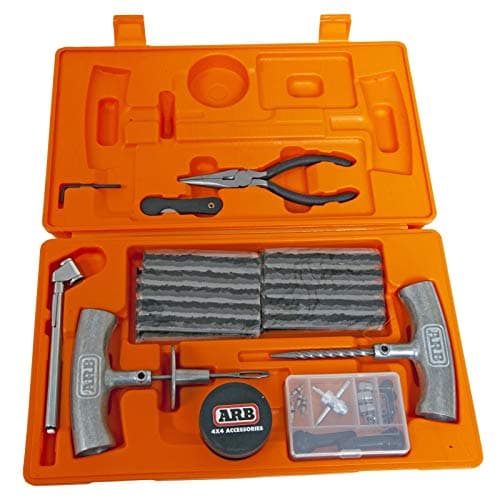 ARB Speedy Seal 2 Best overall | The kit you want when the puncture is real | Steel needle and reamer, cords for up to 40 repairs, real case | $54.95View on Amazon #ad Affiliate link · Price as of October 20, 2026 |
| 2 | 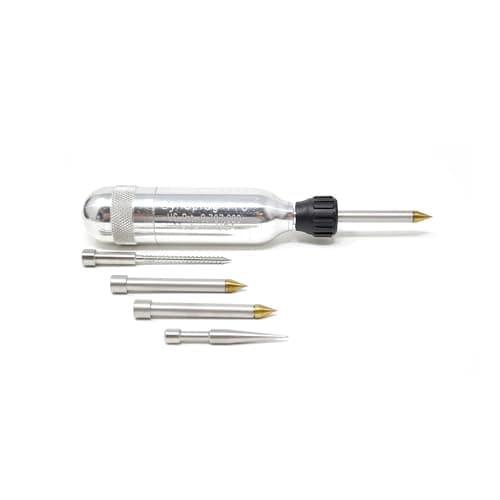 Dynaplug Pro Best compact kit | A plug kit small enough to always be with you | Pen-sized machined tool, 8 brass-tipped plugs, no cement | $64.99View on Amazon #ad Affiliate link · Price as of October 20, 2026 |
| 3 | 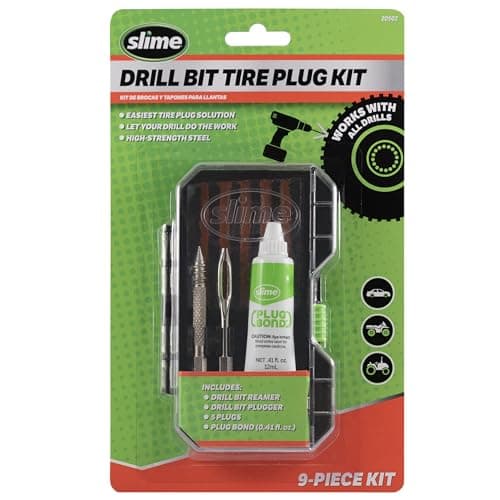 Slime Drill Bit Tire Plug Kit Best for least effort | Doing the hard part with a cordless drill | Reamer and plugger as drill bits — the muscle comes from the drill | $14.00$22.99View on Amazon #ad Affiliate link · Price as of October 20, 2026 |
| 4 | 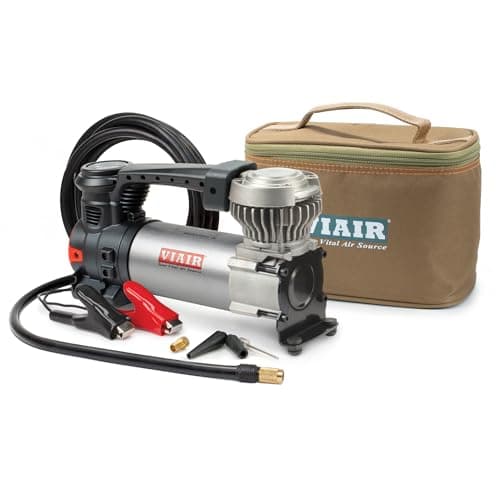 VIAIR 88P Portable Compressor Best companion inflator | Truck, SUV and off-road tires | The other half of the repair: 120 PSI from the battery terminals | $89.89$103.95View on Amazon #ad Affiliate link · Price as of October 20, 2026 |
A nail in the tread is the most common way a trip ends early, and it is also the most fixable. A plug kit is a few steel tools and a handful of rubber cords that let you close a puncture with the tire still on the vehicle, by the side of the road, in about ten minutes. It costs less than one tow and takes up less room in the trunk than a bottle of water.
What it is not is a permanent repair, and any page that tells you otherwise is selling something. We will deal with that honestly before the picks, because it changes what you should buy.
What the tire industry says a plug is
The U.S. Tire Manufacturers Association publishes the standard the repair trade works to, and it is unambiguous: a plug alone is an unacceptable repair. A proper repair fills the puncture path with a rubber stem and seals the inner liner with a patch, which can only be done with the tire removed from the wheel and inspected from the inside.
The same guidance sets two limits worth memorizing before you kneel down next to a tire. The injury must not be larger than a quarter of an inch across, and it must be in the tread — damage in the shoulder or the belt edge is not repairable at all. A sidewall puncture is a new tire, not a plug.
So the honest description of a roadside plug is this: an emergency repair that restores enough air to drive to a shop, where the tire gets demounted, inspected and repaired properly or condemned. Buy the kit with that job in mind, and the choices get much simpler.
The criteria we buy on
- Steel tools with real handles. The reamer and the insertion needle take genuine force, and a molded plastic handle is the part that snaps when the cord fights back — at the roadside, with the tire going down.
- Enough cords to matter. A kit with five plugs covers one incident; a kit with forty covers a decade and lets you practice on an old tire before you need the skill.
- A case that survives the trunk. Loose tools and a tube of cement rolling around a trunk liner is how a kit goes missing.
- Spares you actually need: valve cores, valve caps, a blade to trim the cord, pliers.
- Size and weight honest about where it will live. A pen-sized tool in the door pocket beats a perfect kit left in the garage.
- Something to put the air back in. No plug kit on the market includes an air source, and a sealed puncture at 8 PSI is still undrivable.
| Kit | Repairs supplied | Insertion method | Also included | Case |
|---|---|---|---|---|
| ARB Speedy Seal 2 (10000011) | 40 self-vulcanizing cords, rated by ARB for up to 40 tires | Spring-steel needle with cast handle, hardened steel reamer | Pliers, blade, lubricant, spare valve cores and caps, allen key, pencil gauge | High-visibility carry case |
| Dynaplug Pro | 8 brass-tipped repair plugs | Machined tool, 3 insertion tubes, no reaming or cement step | Air stopper, clearing attachment, pipe cleaner | Polyethylene case |
| Slime Drill Bit Tire Plug Kit (20502) | 5 brown 7-ply plugs | Reamer drill bit and plugger drill bit, for any drill | Plug Bond adhesive, 0.41 fl oz | Compact carrying case |
| VIAIR 88P | Not a plug kit — the air source | 120 PSI from battery clamps, 60% duty cycle at 30 PSI | Inline pressure gauge, 16 ft air hose | Carry bag |
Contents are each maker's own published lists, linked in Sources. ARB's cord count and Slime's plug count are the figures those makers publish, not our estimates.
Cord kits versus push-in plugs
There are two designs in this category and they suit different people. A cord kit — ARB, and almost every hardware-store kit — works by reaming the hole to a known size, loading a sticky rubber cord into a steel needle, and pushing it through until it folds into the tire. It is cheap per repair, the consumables are commodities, and it needs real force and both hands.
A push-in plug tool like the Dynaplug skips the reaming step entirely: the plug has a pointed brass tip that opens its own path, and the viscoelastic rubber behind it seals as it goes in. It is faster, far smaller, and doable one-handed in bad weather. You pay for that in consumables — eight plugs per kit and proprietary refills.
For one vehicle that mostly stays on pavement, the cord kit is the better value and the better practice tool. For a motorcycle, a bicycle rack, a glovebox or a second kit that lives in the bag you always carry, the push-in tool is the one that will actually be there. There is no reason not to own both, and plenty of overland rigs do.
The drill-bit variation, and when it makes sense
Slime's drill-bit kit replaces the two tools that take muscle — the reamer and the plugger — with bits that chuck into any drill, including an impact driver. If you have ever failed to get a reamer through a steel-belted tread, you will understand immediately why that exists: the drill does the work that your shoulder was doing.
Two honest limits. You have to be carrying a drill, which most people are not at the moment the puncture happens, so this is a garage-and-trailer kit more than a roadside one. And Slime states the application as tubeless off-highway tires — ATVs, dirt bikes, tractors, wheelbarrows, trailers — so on a highway tire treat it strictly as a get-to-the-shop repair. For a trailer that lives at the back of a property, or for anyone who cannot put real force through a T-handle, it is the most useful kit here.
The half of the job every kit leaves out
No plug kit includes air. The puncture that flattened the tire took it well below a drivable pressure, and sealing the hole does nothing about that — which is why the fourth pick here is an inflator rather than a kit. The VIAIR 88P is the one we point at because it connects to the battery terminals rather than a 12-volt socket, so a truck or SUV tire from near-flat is inside its published duty cycle.
If what you carry is a socket-powered inflator, that is fine for a car — just know its duty cycle before you need it. Our portable tire inflator picks cover the category, tire inflator duty cycle, explained explains the figure that decides whether it can finish the job, and what PSI should my tires be is where to find the number to inflate to.
Plugs versus sealant versus the spare
A can of sealant is smaller, cheaper and genuinely easier to use than a plug kit, and for a small puncture it will often get you moving. It also coats the inside of the tire and the TPMS sensor, which the shop has to clean out before it can repair anything, and it does nothing for a hole larger than it can bridge. Tire inflator versus sealant is the full argument.
The spare, where you still have one, remains the most complete answer — it is a whole tire. The catch is that a lot of new cars do not have one, and the ones that do often carry a temporary with a speed limit and a pressure most owners have never checked. What PSI should a spare tire be is the figure people are missing, and a flat tire on a road trip is the whole decision tree when it happens far from home.
The sensible trunk carries a plug kit, an inflator and the spare if the car has one. That combination covers the nail in the tread, the slow leak that shows up on a cold morning and the damage no plug can fix, which is most of what actually happens.
The picks
1. Best overall
ARB Speedy Seal 2
ARB · Best for the kit you want when the puncture is real
The complete plug kit: ARB publishes enough cords for up to 40 repairs, a spring-steel needle, a hardened reamer, pliers, spare valve cores and a pencil gauge, all in one high-visibility case.
Published specifications
- Part number
- 10000011 source
- Repairs per kit
- Up to 40 tubeless radial or cross-ply tires source
- Repair cords
- 40 self-vulcanizing cords source
- Insertion tools
- Spring-steel needle with cast handle, hardened steel reamer source
- Also included
- Pliers, blade, lubricant, spare valve cores and caps, allen key, dual-chuck pencil gauge source
- Case
- High-visibility carry case source
What works
- Enough cords for up to 40 repairs, so one kit covers years of punctures rather than one
- The reamer and needle are steel with real handles - the part cheap kits get wrong, because a plastic handle is what snaps when the cord fights back
- Pliers, a blade and spare valve cores mean you are not improvising with whatever is in the glovebox
- The included pencil gauge lets you set pressure after the repair without a second tool
What does not
- Bulkier than a pocket plug tool - this is a case that lives in the trunk, not the door pocket
- No air source of any kind, so it only finishes the job if you carry an inflator too
- ARB does not publish a speed or permanence rating for the repair, so treat it the way the industry does and get the tire inspected afterwards
Skip it if
Not the one if the appeal of a plug kit is that it disappears into a backpack. A compact tool with eight plugs is the better buy for a motorcycle or a bicycle.
#ad Affiliate link · Price as of October 20, 2026
Raw specifications: ARB’s own page for the ARB Speedy Seal 2.
2. Best compact kit
Dynaplug Pro
Dynaplug · Best for a plug kit small enough to always be with you
A machined tool the size of a marker pen that pushes a brass-tipped plug straight into the tread - no reaming, no cement, and small enough that it actually travels.
Published specifications
- Contents
- Tool, 8 repair plugs, 3 insertion tubes, air stopper, clearing attachment, case source
- Tire thickness range
- 3/16 in to 1-1/8 in at the puncture source
- Tool body
- Billet 6061 aluminum or 303 stainless steel source
- Insertion tube
- Hardened 316 stainless steel source
- Plug
- Viscoelastic impregnated rubber with a nonabrasive brass tip source
- Warranty
- Limited lifetime against manufacturing defects source
What works
- No reamer step and no rubber cement - the brass tip opens the hole as the plug goes in
- Small enough for a motorcycle tail bag or a door pocket, which is the whole argument for it
- Machined metal construction with a lifetime defects warranty rather than a stamped handle
- Fast enough to do at the roadside in weather, one-handed if you have to
What does not
- Eight plugs, and the refills are proprietary - you cannot buy them at a gas station
- The published range stops at 1-1/8 in of tread thickness, so very heavy light-truck tires are outside it
- Expensive for the number of repairs you get, measured against a cord kit
Skip it if
Not the value buy. If what you want is the most repairs per dollar in the trunk of one car, a 40-cord kit is the better answer.
#ad Affiliate link · Price as of October 20, 2026
Raw specifications: Dynaplug’s own page for the Dynaplug Pro.
3. Best for least effort
Slime Drill Bit Tire Plug Kit
Slime · Best for doing the hard part with a cordless drill
Slime replaces the two tools that take the muscle - the reamer and the plugger - with drill bits, which is the single biggest reduction in effort available in this category.
Published specifications
- Part number
- 20502 source
- Contents
- 9-piece set source
- Tools
- Reamer drill bit and plugger drill bit source
- Plugs supplied
- 5 brown 7-ply tire plugs source
- Adhesive
- Plug Bond, 0.41 fl oz source
- Drill compatibility
- All drills, including impact drills source
- Stated application
- ATVs, dirt bikes, tractors, wheelbarrows, trailers and other tubeless off-highway tires source
- Case
- Compact carrying case source
What works
- The drill does the reaming and the insertion, which is the difference between a two-minute repair and a wrestling match
- Five plugs and the bond in a case small enough to live under a seat
- Nothing in it is proprietary - refill plugs are a commodity
- A sensible choice for anyone who cannot put real force through a T-handle
What does not
- You have to be carrying a drill, which many people are not when the puncture happens
- Slime states the application as tubeless off-highway tires - ATVs, trailers, tractors - so on a highway tire treat it as a get-to-the-shop repair
- Five plugs is a small supply next to a 40-cord kit
Skip it if
Skip it if there is no drill in the vehicle. A kit whose two main tools need a power tool you left at home is worse than a plain T-handle set.
#ad Affiliate link · Price as of October 20, 2026
Raw specifications: Slime’s own page for the Slime Drill Bit Tire Plug Kit.
4. Best companion inflator
VIAIR 88P Portable Compressor
VIAIR · Best for truck, suv and off-road tires
A battery-clamp compressor built for the tire sizes socket-powered units cannot handle without stopping to cool down.
Published specifications
- Maximum working pressure
- 120 PSI source
- Air flow
- 1.97 CFM at 0 PSI source
- Duty cycle
- 25 minutes at 30 PSI source
- Supply
- 12 V, battery clamps source
- Maximum amp draw
- 20 A source
- Inrush current
- 45 A at 0 PSI source
- Ingress protection
- IP53 source
- Operating temperature
- -4 to 158 °F source
- Tire size rating
- Up to 33 in source
- Weight
- 4.75 lb source
- Power cord / air hose
- 10 ft / 16 ft source
What works
- Connects to the battery terminals rather than the 12 V socket, so socket fuse current is not the limit
- Built for larger tires and repeated fills — the duty cycle is the whole reason to buy it
- Metal body and a real air hose rather than a molded plastic assembly
What does not
- The battery-clamp connection means popping the hood every time
- Bigger and heavier than any glovebox inflator
- Overkill, and slower to set up, for a routine cold-morning top-up
Skip it if
Not the pick if you drive a sedan and just want to correct 4 PSI once a month. That is what a socket inflator is for.
#ad Affiliate link · Price as of October 20, 2026
Using a cord kit at the roadside
Find the object and leave it in place
Pull over somewhere flat and well clear of traffic, then find the nail or screw before you pull it. Mark the spot with chalk or a pen. A puncture you cannot find is a puncture you cannot plug.
Check that it is repairable
The injury must be in the tread, not the shoulder or sidewall, and no larger than a quarter of an inch across. Anything outside that is a spare or a tow, not a plug.
Pull the object and ream the hole
Pull it with the pliers, then work the reamer in and out a few times to clean and size the path. This is the step that takes force — keep the tool square to the tread.
Insert the cord
Thread a cord into the needle so equal lengths hang each side, add the lubricant if your kit includes it, and push it in until about a quarter of an inch stands above the tread. Pull the needle straight out; the cord stays.
Trim and inflate
Trim the cord flush with the blade. Inflate to the pressure on the door placard, not the number on the tire sidewall, and check the repair with soapy water if you have it.
Drive to a tire shop
Drive gently and get the tire demounted and properly repaired or replaced. The industry standard is a plug-and-patch from the inside, and the plug you just fitted is not that.
Key takeaways
- A plug is an emergency repair that gets you to a shop — the industry standard is a plug-and-patch fitted from inside the demounted tire.
- Repairs are limited to the tread, and to injuries no larger than a quarter of an inch.
- Buy steel tools with real handles; a plastic handle is what fails under load at the roadside.
- ARB's kit carries cords for up to 40 repairs, which is the difference between one incident and a decade of them.
- A push-in tool like the Dynaplug needs no reaming and no cement, and it is small enough to actually be with you.
- The drill-bit kit removes the muscle from the job, but you have to be carrying a drill — and Slime rates it for off-highway tires.
- No plug kit includes air. Carry an inflator, and know its duty cycle before you need it.
- Practice once on a dead tire. The first cord is much harder than the second.
How we sourced this
Every figure on this page came from one of the following. Where a manufacturer or regulator does not publish a number, we say so rather than estimate it.
- U.S. Tire Manufacturers Association — tire repair basics (puncture limits, plug-and-patch requirement)
- ARB Speedy Seal Tire Repair Kit 10000011 product page
- Dynaplug Pro published product information
- Slime Drill Bit Tire Plug Kit (#20502) product page
- VIAIR 88P portable compressor published specifications
- NHTSA TireWise — tire safety ratings and awareness
Common questions
- What is the best tire plug kit?
- The ARB Speedy Seal 2 for most drivers: a spring-steel needle with a cast handle, a hardened steel reamer, cords ARB rates for up to 40 repairs, plus pliers, a blade, spare valve cores and a pencil gauge in one case. For a kit small enough to always carry, the Dynaplug Pro.
- Is plugging a tire a permanent fix?
- No. The U.S. Tire Manufacturers Association states that a plug alone is an unacceptable repair — a proper repair fills the puncture and patches the inner liner, with the tire off the wheel. Treat a roadside plug as what gets you to the shop.
- How long does a tire plug last?
- Plenty of plugs hold for a long time, which is exactly why they are tempting to leave in. The honest answer is that nobody can tell you whether yours will, because the inner liner was never inspected and the casing may be damaged where you cannot see it. Have it checked.
- Can you plug a sidewall puncture?
- No. Repairs are limited to the tread area; damage in the shoulder or sidewall is not repairable and the tire has to be replaced. The flexing there is far greater than in the tread and no plug will stay sealed.
- Do I need an air compressor with a tire plug kit?
- Yes, and it is the most commonly skipped part of the kit. No plug kit includes an air source, and a sealed puncture at a few PSI is still undrivable. Pair the kit with an inflator that can take your tire size from near-flat inside its duty cycle.
- Plug kit or sealant — which should I carry?
- A plug kit handles a bigger range of punctures and does not coat the inside of the tire and the TPMS sensor, which is what makes sealant unpopular with tire shops. Sealant is smaller and easier under stress. If you carry only one, carry the plug kit and practice with it once.
- How big a hole can a tire plug fix?
- Up to a quarter of an inch across, per the industry's published limit, and only in the tread. Larger injuries, cuts and anything in the shoulder are a replacement rather than a repair.
More in Trunk Kit
What actually lives in the trunk, in the order it earns its space — and the pre-built kits that are a starting point rather than an answer.
Read next
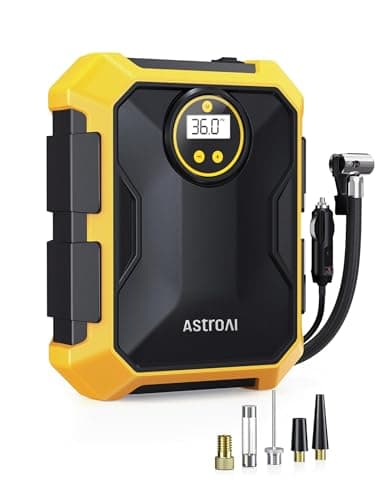
Head to head
Inflator vs Sealant
When air is enough, when you need sealant, what sealant does to a TPMS sensor and a future repair, and why most drivers should carry both.
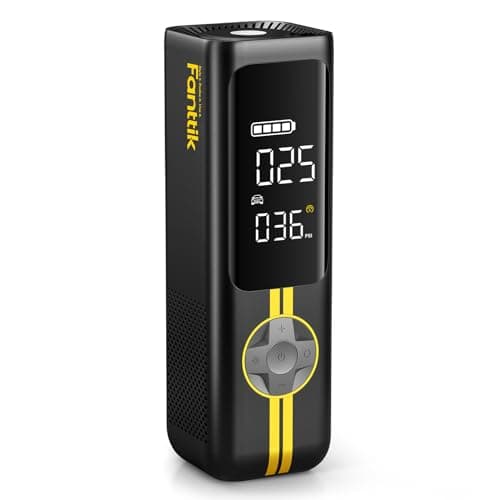
Guide
Flat Tire on a Road Trip
The order of operations when a tire goes down away from home: getting safe, telling a slow leak from real damage, and what actually gets you to the next town.
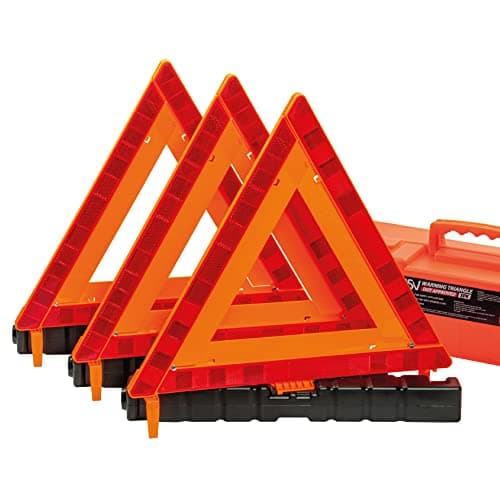
Guide
Emergency Kit Checklist
The short list that survives contact with a real trunk, in priority order, plus what to skip and what to check twice a year.
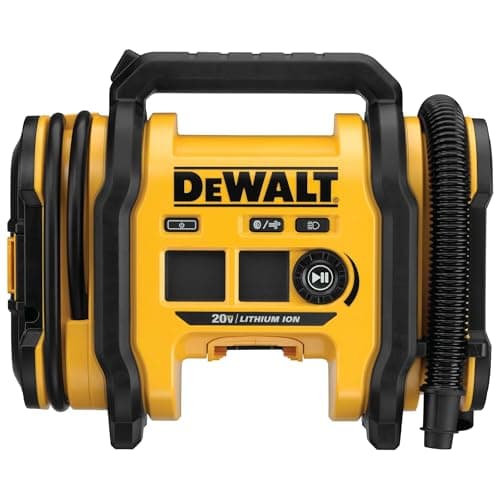
Best Portable Tire Inflators
Best Portable Tire Inflators
Our main inflator roundup: socket, cordless, tool-battery and battery-clamp units, matched to the tires you actually run.
Found something out of date, or a figure you can source better than we did? Tell us — corrections get read first. Our methodology explains how picks are made, and contact is one click away.