Trunk Kit
The best car emergency kit under $100
A pre-built kit is the fastest way to stop having no kit. Assembling your own inside the same bracket gets you a better one — here is the order to buy in.
Disclosure: we earn a commission if you buy through the Amazon links on this page, at no extra cost to you. Commission never decides a verdict or a ranking position — read our editorial policy and affiliate disclosure.
How we assessed these: picks are selected from manufacturers' published specifications, current retailer listings and the live price layer — not from hands-on testing of every unit. The bracket in the title describes the market tier; the live figure in each buy button, stamped with the date it was read, is the only price we stand behind.
Short answer
If you have nothing in the trunk tonight, buy the AUTODECO roadside kit: a bag, jumper cables, a folding shovel and a basic first-aid set in one purchase, which removes the excuse. Then spend the rest of the bracket on the two things no pre-built kit includes and you will actually use — a tire inflator, which on most cars is the likeliest roadside event, and a set of DOT-approved warning triangles, because being seen is what keeps a breakdown from becoming something worse. The budget pick is the Milton S-920 pencil gauge: it costs almost nothing, there is nothing in it to fail, and it tells you a tire is low, which is the most useful thing any of this does.
Quick picks
Tap any row to jump to the full write-up. Scoring criteria are published in full on our methodology page.
| # | Product | Best for | Our read | Price |
|---|---|---|---|---|
| 1 | 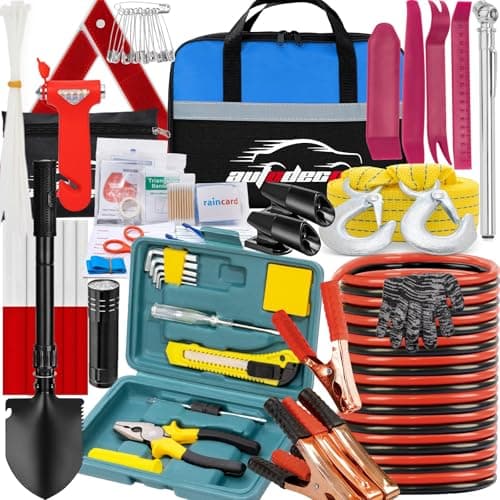 AUTODECO Roadside Emergency Kit Best ready-made starting point | A ready-made starting point | Bag, cables, shovel and first aid in one purchase | $26.99$29.99View on Amazon #ad Affiliate link · Price as of November 10, 2026 |
| 2 | 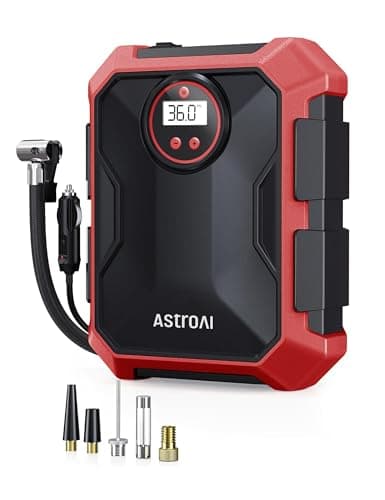 AstroAI 12V Tire Inflator Best first thing to add | The cheapest inflator still worth owning | Socket-powered inflator with a digital preset shutoff | $26.59$27.99View on Amazon #ad Affiliate link · Price as of November 10, 2026 |
| 3 | 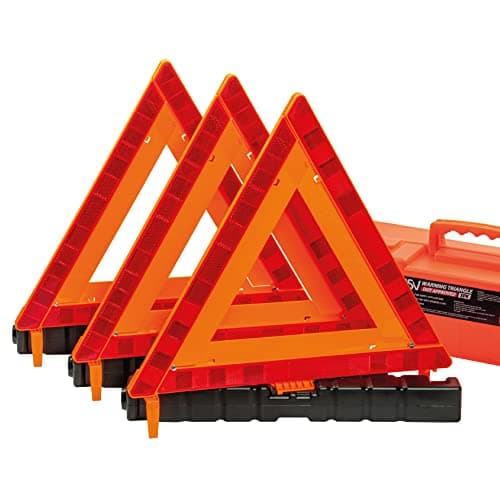 DSV Standard Warning Triangles, 3-Pack Best safety buy | Being seen before anything else | Three DOT-approved folding triangles with weighted bases | $29.99View on Amazon #ad Affiliate link · Price as of November 10, 2026 |
| 4 | 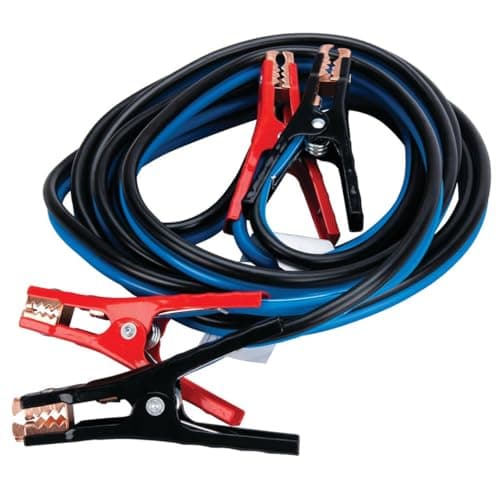 Performance Tool W1673 4-Gauge 20 ft Jumper Cables Best cables for the kit | One set of cables for a normal car or SUV | 4 AWG, 20 ft, 500 A continuous — the pre-built set's weak point | $37.03View on Amazon #ad Affiliate link · Price as of November 10, 2026 |
| 5 | 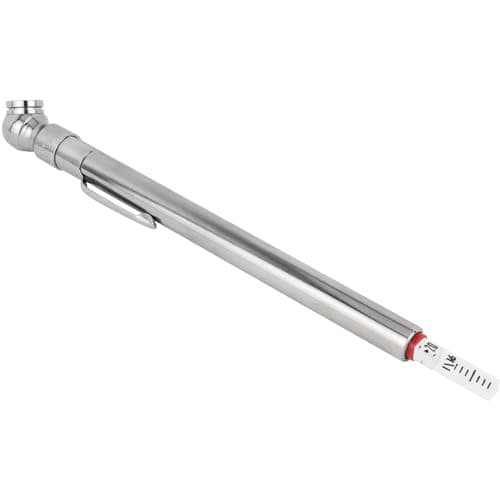 Milton S-920 Pencil Tire Gauge Budget pick | The gauge that is always in the car | Pencil gauge with a tread depth gauge, nothing to fail | $12.90View on Amazon #ad Affiliate link · Price as of November 10, 2026 |
There are two honest ways to spend this bracket, and they suit different people. One is a single purchase: a pre-assembled kit arrives, goes in the trunk, and you are no longer the person with nothing. The other is assembling your own from the items below, which produces a better kit for the same outlay and requires you to make four decisions instead of one.
We recommend starting with the kit and then upgrading its weakest parts, because a kit in the trunk beats a better kit you are still researching. Roadside emergency kit checklist is the full list, and best roadside emergency kits compares the pre-built options.
What a pre-built kit gets right and wrong
Right: the bag and the organization, which is usually better than what you would improvise, and the small consumables nobody buys on their own — gloves, cable ties, tape, bandages. Those items are cheap individually and annoying to source, and having them in a labeled bag is most of their value.
Wrong: the jumper cables and the flashlight, which are the first things worth replacing in almost every pre-built kit, and the advertised item count, which includes individual bandages and therefore means very little. The bigger gap is what is not in the box at all — no jump starter and no inflator, which are the two things that actually get a stopped car moving again.
| Item | What it does | How often you use it | Published detail |
|---|---|---|---|
| AUTODECO Roadside Emergency Kit | Bag, cables, shovel, first aid, consumables | The consumables, often; the cables, rarely | No manufacturer specification sheet; item list from the listing |
| AstroAI 12V Tire Inflator | Puts air back in a soft tire from the 12 V socket | Several times a year on most cars | 100 PSI, digital preset shutoff (listing) |
| DSV Standard Warning Triangles, 3-pack | Makes you visible before you open the hood | Every time you stop on a road | DOT-approved folding triangles, weighted bases, carry case |
| Performance Tool W1673 jumper cables | Jump from another vehicle | Rarely, and it matters enormously when you do | 4 AWG, 20 ft, 500 A continuous / 600 A peak |
| Milton S-920 pencil gauge | Tells you a tire is low before it is flat | Monthly, if you build the habit | 10 to 70 PSI, 2 lb increments, nickel-plated brass |
Where a maker publishes no specification sheet — which is the norm for pre-built kits and triangles — the detail column says where the information comes from instead.
Buy in the order of how often it gets used
The intuitive order is the dramatic order: jumper cables first, then a flashlight, then everything else. The useful order is different, because it follows how often each item is actually needed.
- Warning triangles. They are used every single time you stop on a road, before anything else happens, and they are the only item on this page that protects you rather than the car.
- A tire gauge. Monthly, for the whole life of the car, and it prevents the thing the rest of the kit is for.
- A tire inflator. On most cars a slow leak is the most common roadside event, and an inflator turns it into a stop at the next exit.
- Jumper cables or a jump pack. Rare, and decisive when it happens. Cables need a second vehicle; a pack does not — see jump starter vs jumper cables.
- The consumables and the bag, which is where a pre-built kit earns its place.
What this bracket cannot include
A jump starter and everything else, together. A pack with a published engine rating is most of this bracket on its own, which is why it is not on this page — and why, if you already own one, the sensible spend here is triangles, a gauge, an inflator and good cables.
Winter changes the list too: a blanket, a scraper and a shovel stop being optional, and the battery becomes the likeliest failure. Winter car emergency kit covers the cold-weather version, and road trip car kit covers the long-distance one.
The picks
1. Best ready-made starting point
AUTODECO Roadside Emergency Kit
AUTODECO · Best for a ready-made starting point
A pre-assembled kit is the fastest way to stop having no kit. This one covers the bag, jumper cables, a folding shovel and a basic first-aid set. Treat it as a base to upgrade, not a finished answer.
This manufacturer does not publish a full specification table for this model on its own site. Rather than repeat figures we cannot source, the assessment below is limited to what the product category and the retailer listing genuinely establish.
What works
- Removes the excuse — one purchase and there is something in the trunk tonight
- The bag and organization are usually better than what you would improvise
- Covers the small consumables nobody buys on their own: gloves, ties, tape, first aid
What does not
- The jumper cables and flashlight in pre-built kits are the first things worth replacing
- Advertised item counts include individual bandages, which inflates the apparent value
- No jump starter and no inflator in the box — the two things that actually get you moving
Skip it if
Not sufficient on its own. If you buy one, budget for a jump starter and an inflator alongside it, because the kit will include neither.
#ad Affiliate link · Price as of November 10, 2026
2. Best first thing to add
AstroAI 12V Tire Inflator
AstroAI · Best for the cheapest inflator still worth owning
A plain 12 V socket-powered inflator with a digital gauge and auto-shutoff — the baseline that covers a car's tires with no battery to maintain.
This manufacturer does not publish a full specification table for this model on its own site. Rather than repeat figures we cannot source, the assessment below is limited to what the product category and the retailer listing genuinely establish.
What works
- Powered from the 12 V socket, so it works whenever the car does
- Nothing to keep charged, which means it is never flat when the tire is
- Digital preset shutoff at the target pressure
What does not
- The cord limits where you can work, and reaching a rear tire can be tight
- Small-motor inflators in this tier run hot; large tires need rest intervals
- Gauge accuracy in this class varies unit to unit, so verify against a separate gauge
Skip it if
Not the pick if you regularly air down and back up for trails, or run light-truck tires. That is dedicated-compressor work.
#ad Affiliate link · Price as of November 10, 2026
3. Best safety buy
DSV Standard Warning Triangles, 3-Pack
DSV Standard · Best for being seen before anything else
The cheapest insurance in the trunk against the thing that actually hurts you: three DOT-approved folding triangles with weighted bases, in a carry case. Before you open the hood on a shoulder, you want traffic to know you are there.
This manufacturer does not publish a full specification table for this model on its own site. Rather than repeat figures we cannot source, the assessment below is limited to what the product category and the retailer listing genuinely establish.
What works
- Works without batteries, in any weather, for as long as you own the car
- Folds flat into its own case, so it costs almost no trunk space
- Three of them, which is what lets you mark a proper warning distance behind the vehicle
- Visible far enough back to give traffic time to move over
What does not
- Only useful if you actually get out and place it, which takes a deliberate habit
- Plastic bases crack if they live loose under heavier gear
Skip it if
Not a substitute for hazard lights or for getting clear of the roadway. Placement matters more than the product.
#ad Affiliate link · Price as of November 10, 2026
4. Best cables for the kit
Performance Tool W1673 4-Gauge 20 ft Jumper Cables
Performance Tool · Best for one set of cables for a normal car or suv
4 gauge, 20 feet, rated 500 amps continuous and 600 peak, with copper jaw clamps and a published cold rating down to minus 13 Fahrenheit - the size and length that covers most of what a driver actually meets.
Published specifications
What works
- 20 feet is the length that stops mattering where you park - it reaches a car nose-to-nose, side by side, or parked in the next bay over
- 4 gauge at 20 feet is the honest sweet spot: thick enough to crank a V6 without a long wait, thin enough to coil back into the bag
- Copper jaw clamps and a published low-temperature rating, which is more than most cables in this bracket disclose
- Performance Tool publishes continuous AND peak amps, so the 600 number is not doing all the work
What does not
- Performance Tool does not publish whether the conductor is pure copper or copper-clad aluminum, and that distinction changes real current capacity
- Not enough cable for a big diesel - a 6.7-liter engine that has been sitting in the cold wants 1 or 2 gauge
- The clamps are jaw-style rather than parrot-style, so badly corroded terminals need cleaning first
Skip it if
Not the set for a work truck, a dually or a tractor. If the engine you expect to start is diesel or over about 5 liters, go to 1 or 2 gauge and accept the bulk.
#ad Affiliate link · Price as of November 10, 2026
Raw specifications: Performance Tool’s own page for the Performance Tool W1673 4-Gauge 20 ft Jumper Cables.
5. Budget pick
Milton S-920 Pencil Tire Gauge
Milton · Best for the gauge that is always in the car
A nickel-plated brass pencil gauge reading 10 to 70 PSI in 2-pound steps, with a tread depth gauge and a deflator pin at the other end and a pocket clip so it never gets lost in the trunk.
Published specifications
- Pressure range
- 10 to 70 PSI / 60 to 500 kPa source
- Increments
- 2 lb source
- Body
- Nickel-plated brass tubing, corrosion resistant source
- Chuck
- Single-head air chuck source
- Also on the tool
- Tread depth gauge and built-in deflator pin source
- Indicator
- Nylon indicator bar source
- Carry
- Built-in pocket clip source
- Batteries
- None required source
What works
- Costs less than a tank of gas and fits in a door pocket, which is why it is the gauge that actually gets used
- The tread depth gauge on the same tool turns a pressure check into a tire check
- Nothing on it can go flat, run out of charge or lose calibration in a hot trunk the way electronics can
- Milton publishes the range and the increment, so you know exactly what you are reading
What does not
- 2-pound increments are the resolution - you cannot read 34 PSI on this gauge, only 34-ish
- No bleed valve, so letting air out means pressing the chuck sideways and guessing
- A pencil gauge has to be held dead square on the valve or it reads low, and it is the easiest gauge in the world to hold crooked
- No hold function - take it off the valve and the bar stays put, but a knock resets it
Skip it if
Not the gauge to set pressures with if you care about a specific number. It is the one that lives in the car and tells you a tire has lost 6 pounds, which is the job that actually matters.
#ad Affiliate link · Price as of November 10, 2026
Raw specifications: Milton’s own page for the Milton S-920 Pencil Tire Gauge.
Key takeaways
- A kit in the trunk tonight beats a better kit you are still researching — start with the pre-built one.
- Pre-built kits get the bag and the consumables right and the cables and flashlight wrong.
- No pre-built kit includes an inflator or a jump pack, which are the two items that get a car moving.
- Buy in order of use: triangles, gauge, inflator, then jumping gear.
- Advertised item counts include individual bandages and tell you almost nothing.
- A jump starter plus everything else does not fit this bracket; if you have one already, spend here on the rest.
How we sourced this
Every figure on this page came from one of the following. Where a manufacturer or regulator does not publish a number, we say so rather than estimate it.
- Performance Tool W1673 4-gauge 20 ft jumper cables — published amp rating and temperature range
- AstroAI 12V 100 PSI tire inflator product page
- Milton S-920 tire and tread pencil gauge — published range, increments and construction
- NHTSA TireWise — tire safety ratings and awareness
- STANLEY FATMAX J7CS published product information
Common questions
- What should be in a car emergency kit?
- Warning triangles, a tire gauge, a tire inflator, a way to jump the car, a flashlight, gloves and basic first aid. The triangles and the gauge are the two cheapest and the two most often used.
- Are pre-made car emergency kits worth it?
- As a starting point, yes — the bag and the consumables are worth more than assembling them yourself. Plan on replacing the jumper cables and the flashlight, and on adding an inflator, which they do not include.
- Can you build a car emergency kit for under $100?
- Yes, and a better one than a pre-built kit at the same outlay — triangles, a gauge, an inflator and 4-gauge cables fit inside the bracket. It takes four decisions instead of one.
- Should I buy a jump starter or an emergency kit first?
- If you have neither and a limited budget, a kit plus an inflator covers more scenarios. A jump pack is the better single purchase if your battery is the thing you worry about.
- What is the most important item in a car emergency kit?
- Warning triangles, on the grounds that they are the only item that protects you rather than the vehicle, and they are used every time you stop on a road.
More in Trunk Kit
What actually lives in the trunk, in the order it earns its space — and the pre-built kits that are a starting point rather than an answer.
Read next
Best Roadside Kits
Best Emergency Kits
Pre-assembled kits worth buying as a base, what to replace immediately, and the two items no kit at this price includes.
Guide
Emergency Kit Checklist
The short list that survives contact with a real trunk, in priority order, plus what to skip and what to check twice a year.
Guide
Winter Car Kit
What gets added for winter: cold-margin power, warmth that does not need the engine, traction, and the things people forget until it is dark.
Best jumper cables under $50
Best Under $50
Under $50 reaches real 4-gauge cables with published amp ratings. What the gauge number means, and why lower is thicker.
Found something out of date, or a figure you can source better than we did? Tell us — corrections get read first. Our methodology explains how picks are made, and contact is one click away.