Tire Inflators
Tire inflator PSI ratings, and how much you need
The number on the box is the highest pressure the pump can reach, not how fast it gets there. Those are different problems, and only one of them is yours.
Disclosure: we earn a commission if you buy through the Amazon links on this page, at no extra cost to you. Commission never decides a verdict or a ranking position — read our editorial policy and affiliate disclosure.
How we assessed these: picks are selected from manufacturer specifications, current retailer listings and published owner feedback — not from hands-on testing of every unit. Where a manufacturer does not publish a figure, it is left out rather than estimated.
Short answer
A 100 PSI inflator is enough for any passenger car — door-jamb placard pressures sit in the thirties, and even light-truck tires rarely pass 80. The PSI rating is a ceiling the pump can reach, not a measure of speed. What decides how long you stand there is air flow in CFM and the duty cycle, which most listings do not print.
This is the most consistently misread specification in the category. Two inflators, one rated 100 PSI and one rated 150, will fill a car tire at speeds that have nothing to do with those numbers — and the 150 PSI unit is just as likely to be the slower of the two.
Quick picks
Tap any row to jump to the full write-up. Scoring criteria are published in full on our methodology page.
| # | Product | Best for | Our read | Price |
|---|---|---|---|---|
| 1 | 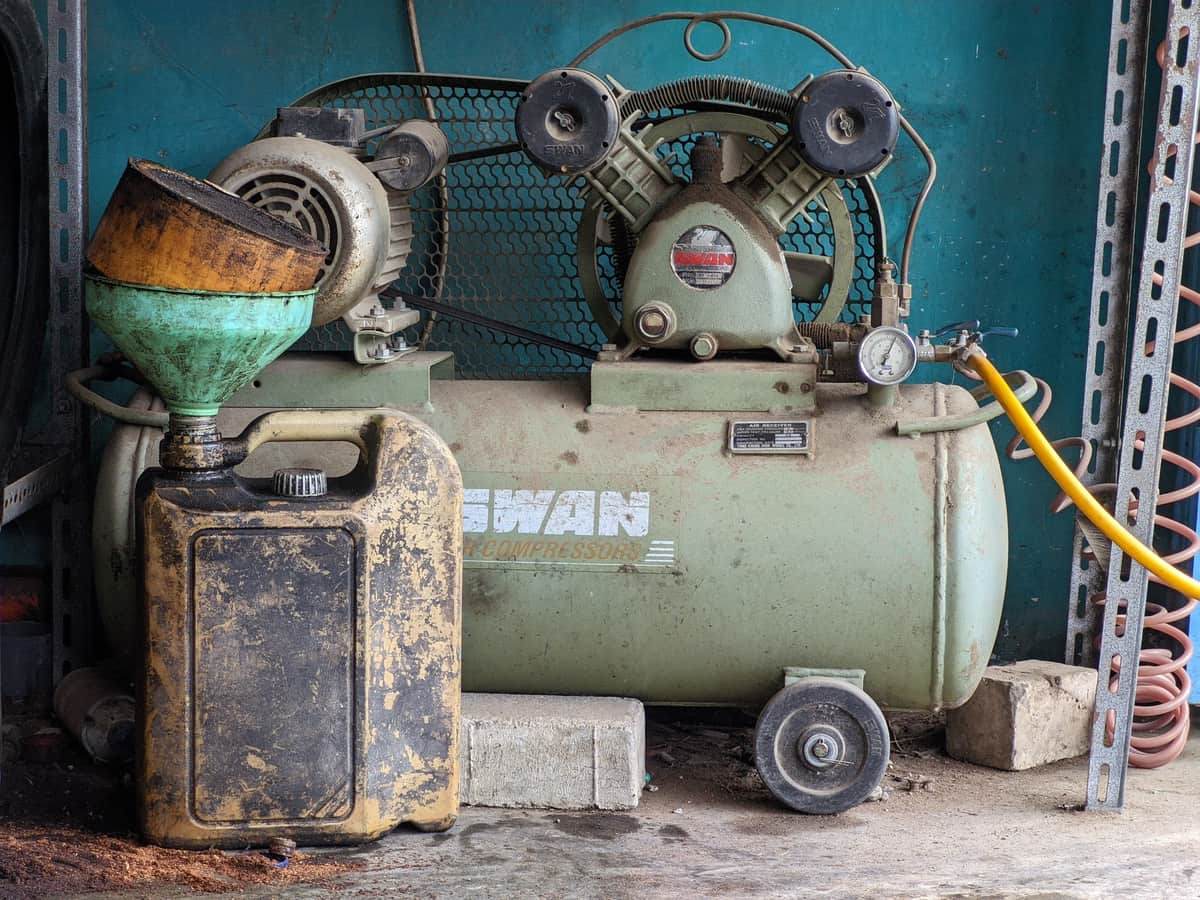 AstroAI 12V Tire Inflator Enough PSI for any car | The cheapest inflator still worth owning | 100 PSI ceiling, which a car never approaches | Check price on Amazon #ad Affiliate link · We show no price here; Amazon shows the current one |
| 2 |  Fanttik X8 Apex Headroom in a cordless body | Cordless top-ups from a glovebox | 150 PSI, 28.8 Wh, ±1 PSI claimed | Check price on Amazon #ad Affiliate link · We show no price here; Amazon shows the current one |
| 3 | 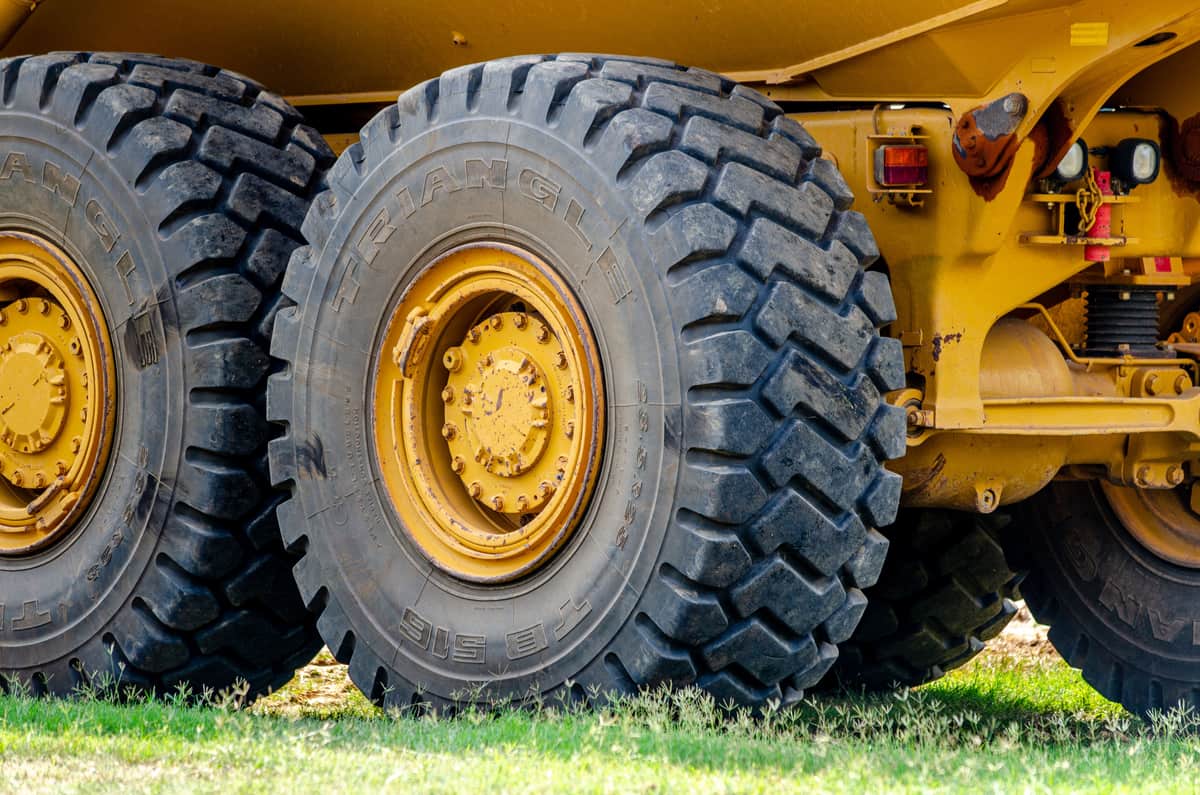 VIAIR 88P Portable Compressor Where throughput beats pressure | Truck, SUV and off-road tires | 120 PSI but 1.97 CFM and a real duty cycle | Check price on Amazon #ad Affiliate link · We show no price here; Amazon shows the current one |
| 4 | VIAIR 400P Portable Compressor High pressure and high volume | Airing back up after a trail | 150 PSI, 2.30 CFM, 33% at 100 PSI | Check price on Amazon #ad Affiliate link · We show no price here; Amazon shows the current one |
What the PSI rating actually means
It is the maximum working pressure: the highest pressure the compressor can continue to push air against before it stalls. Think of it as the top of the pump's range, in the same way a car's top speed is the top of its range. It tells you nothing about how quickly the pump gets anywhere below that.
The reason it matters at all is that pumps slow down as pressure rises. A unit rated to exactly the pressure you need will be crawling by the time it gets there. A unit with headroom is still working comfortably. That is the honest argument for a higher rating — margin, not speed.
What pressure your tires actually need
The figure that governs is on the Tire and Loading Information placard in the driver's door jamb, not the number molded into the tire sidewall. NHTSA's guidance is that the vehicle manufacturer's recommended pressure is the correct one; the sidewall figure is the tire's maximum, and the two typically differ by 15 to 20 PSI. What PSI should my tires be covers that properly.
| Vehicle | Typical working pressure | Inflator rating that covers it |
|---|---|---|
| Passenger car, placard pressure | Low to mid thirties | 100 PSI is ample |
| SUV and light truck | Thirties to low forties | 100 PSI is ample |
| Light truck at load rating | Up to around 80 | 120 PSI, with throughput to match |
| RV, travel trailer and larger | Often 80 and above | 150 PSI, and CFM matters more than the ceiling |
| Bicycle, road tires | Up to around 120 | 120 or 150 PSI, with a presta-capable chuck |
Working pressures here are the ranges these vehicle classes commonly run, not a specification for your vehicle. Your number is on the door-jamb placard. Inflators for RV tires covers the high-pressure end, and inflators for bikes the other.
The specs that actually decide how long you wait
Air flow, in CFM. This is the volume the pump moves, and it is the real speed figure. VIAIR publishes 1.97 CFM at 0 PSI for the 88P and 2.30 CFM for the 400P. Most small socket and cordless inflators do not publish a CFM figure at all, which is itself informative.
Duty cycle. How long the unit can run before it has to cool. VIAIR publishes 25 minutes at 30 PSI for the 88P and 33 percent at 100 PSI for the 400P. On a large tire this is the spec that decides whether you finish in one go or three. Tire inflator duty cycle explains how to read around the gap when it is not published.
Stated fill time, where a manufacturer gives one. Fanttik publishes 56 seconds to take a 215/55 R17 tire from 28 to 33 PSI on the X8 APEX. That is a specific, checkable claim about a specific tire and a specific five-PSI top-up — which is what most people actually do with an inflator.
The PSI setting — a different feature with the same name
Search results for inflator PSI mix two things together: the pressure rating, and the preset-and-stop control that lets you dial in a target and walk away. The second is the one that changes how it feels to use.
An inflator with a preset shuts off when it reaches the number you entered. Without it you are watching a gauge, overshooting, bleeding air back out and overshooting again in the other direction. Every pick on this page has auto-shutoff; it is close to standard now, and an inflator without it is a false economy.
What a preset does not give you is accuracy. The unit stops when its own gauge says the target is reached, and built-in gauges drift. Fanttik publishes a ±1 PSI figure for the X8 APEX; most manufacturers publish nothing. How accurate are tire inflator gauges covers how to find your own unit's offset in about a minute.
So which rating should you buy?
- A car and nothing else: 100 PSI is genuinely enough, and the money is better spent on auto-shutoff and a cord long enough to reach a rear tire.
- A truck, an SUV or occasional trailer duty: 120 PSI with a published CFM figure and battery clamps rather than a socket plug. The ceiling is not the constraint; sustained flow is.
- RV or high-pressure trailer tires: 150 PSI and a published duty cycle, because you are filling a lot of air at a pressure that slows any pump down.
- Bicycles alongside the car: 120 or 150 PSI, and check the chuck handles presta valves — that detail disqualifies more inflators than the pressure rating does.
The picks
1. Enough PSI for any car
AstroAI 12V Tire Inflator
AstroAI · Best for the cheapest inflator still worth owning
A plain 12 V socket-powered inflator with a digital gauge and auto-shutoff — the baseline that covers a car's tires with no battery to maintain.
This manufacturer does not publish a full specification table for this model on its own site. Rather than repeat figures we cannot source, the assessment below is limited to what the product category and the retailer listing genuinely establish.
What works
- Powered from the 12 V socket, so it works whenever the car does
- Nothing to keep charged, which means it is never flat when the tire is
- Digital preset shutoff at the target pressure
What does not
- The cord limits where you can work, and reaching a rear tire can be tight
- Small-motor inflators in this tier run hot; large tires need rest intervals
- Gauge accuracy in this class varies unit to unit, so verify against a separate gauge
Skip it if
Not the pick if you regularly air down and back up for trails, or run light-truck tires. That is dedicated-compressor work.
#ad Affiliate link · We show no price here; Amazon shows the current one
2. Headroom in a cordless body
Fanttik X8 Apex
Fanttik · Best for cordless top-ups from a glovebox
A self-contained cordless inflator small enough to live in a door pocket, with a backlit digital gauge and a preset target pressure.
Published specifications
- Maximum pressure
- 150 PSI source
- Internal battery
- 28.8 Wh lithium-ion source
- Stated gauge accuracy
- ±1 PSI source
- Stated runtime
- Up to 40 minutes continuous source
- Stated fill time
- 56 seconds, 215/55 R17 from 28 to 33 PSI source
- Weight
- 1.74 lb source
- Recharging
- USB-C, 5 V / 3 A adapter source
- Work light
- 40 lumens source
What works
- No cable to the car at all — it runs off its own internal battery
- Small enough that it stays in the vehicle, which is most of the battle
- Preset-and-stop pressure control avoids the overshoot you get chasing an analogue gauge
What does not
- An internal battery is one more thing to keep charged, and cold weather cuts into it
- Cordless inflators this size heat up on large tires; expect to work in stages
- Manufacturer duty-cycle figures for this class are not consistently published
Skip it if
Not the pick for light-truck or RV tires. Small cordless units are built for top-ups, not for taking a 35-inch tire from flat to 60 PSI.
#ad Affiliate link · We show no price here; Amazon shows the current one
3. Where throughput beats pressure
VIAIR 88P Portable Compressor
VIAIR · Best for truck, suv and off-road tires
A battery-clamp compressor built for the tire sizes socket-powered units cannot handle without stopping to cool down.
Published specifications
What works
- Connects to the battery terminals rather than the 12 V socket, so socket fuse current is not the limit
- Built for larger tires and repeated fills — the duty cycle is the whole reason to buy it
- Metal body and a real air hose rather than a molded plastic assembly
What does not
- The battery-clamp connection means popping the hood every time
- Bigger and heavier than any glovebox inflator
- Overkill, and slower to set up, for a routine cold-morning top-up
Skip it if
Not the pick if you drive a sedan and just want to correct 4 PSI once a month. That is what a socket inflator is for.
#ad Affiliate link · We show no price here; Amazon shows the current one
4. High pressure and high volume
VIAIR 400P Portable Compressor
VIAIR · Best for airing back up after a trail
A step up from the 88P for people who air down deliberately: 150 PSI, a published 33 percent duty cycle at 100 PSI, and a 25-foot hose that reaches all four corners.
Published specifications
- Maximum working pressure
- 150 PSI source
- Air flow
- 2.30 CFM at 0 PSI source
- Duty cycle
- 33% at 100 PSI source
- Supply
- 12 V or 24 V, battery clamps source
- Maximum amp draw
- 30 A at 12 V, 15 A at 24 V source
- Inrush current
- 81 A at 0 PSI (PN 40043) source
- Ingress protection
- IP54 source
- Weight
- 10.40 lb source
- Power cord / air hose
- 8 ft / 25 ft source
What works
- Battery-clamp connection, so the 12 V socket's fuse is not the ceiling on throughput
- A published duty cycle — 33 percent at 100 PSI — which almost nothing in this category gives you
- 25 feet of air hose reaches every corner of a vehicle from one hookup
- Metal construction and a real air hose rather than a molded plastic assembly
What does not
- 10.40 lb and the bulk that goes with it — dedicated recovery-gear territory, not a glovebox tool
- 30 A at 12 V rules out any accessory socket; it is battery clamps or nothing
- Slower to set up than a socket inflator for a routine cold-morning top-up
Skip it if
Overkill for a car that needs 4 PSI once a month. That is a socket inflator's job, and this is a lot of equipment to carry for it.
#ad Affiliate link · We show no price here; Amazon shows the current one
Key takeaways
- PSI rating is a ceiling, not a speed — it says nothing about fill time.
- A car placard pressure sits in the thirties, so 100 PSI is ample for any passenger vehicle.
- CFM and duty cycle are the specs that decide how long you stand there.
- A high ceiling with no published flow figure is a reason to look harder, not to buy.
- The preset-and-stop control is a separate feature from the rating, and it is the one you notice.
How we sourced this
Every figure on this page came from one of the following. Where a manufacturer or regulator does not publish a number, we say so rather than estimate it.
- NHTSA TireWise — tire safety ratings and awareness
- NHTSA — Tire Safety: Everything Rides On It (PDF)
- VIAIR 88P portable compressor published specifications
- VIAIR 400P portable compressor published specifications
- Fanttik X8 APEX tire inflator published specifications
- AstroAI 12V 100 PSI tire inflator product page
Common questions
- How much PSI do I need in a tire inflator?
- For a passenger car, 100 PSI is more than enough — door-jamb placard pressures sit in the thirties. For light-truck tires at their load rating, 120 PSI gives useful margin. For RV and high-pressure trailer tires, look for 150 PSI and a published duty cycle, because flow rather than ceiling is the real constraint there.
- Is a 150 PSI tire inflator better than a 100 PSI one?
- Not automatically, and not for speed. The rating is the highest pressure the pump can reach, and both units fill a car tire to the mid thirties using the same physics. A 150 PSI rating buys headroom, which keeps the pump away from its stall point — useful on truck and RV tires, irrelevant on a sedan.
- What does a tire inflator with a PSI setting do?
- It lets you enter a target pressure and shuts the pump off when its gauge reads that figure, so you are not watching a dial and bleeding air back out. It is close to a standard feature now. It controls the stopping point, not the accuracy of the gauge doing the reading.
- Why is my tire inflator slow at high pressure?
- Every compressor slows as the pressure it is pushing against rises, because the air it is compressing fights back harder. That is normal and it is why a unit rated close to the pressure you need feels sluggish, while one with headroom does not. Air flow in CFM is the specification that predicts it.
More in Tire Inflators
The cheapest tool that prevents the second-most-common roadside stop. Here is which type fits your tires, and the two specs that actually matter.
Read next

Guide
What PSI Should My Tires Be?
The single most common tire mistake, fixed in two minutes: placard versus sidewall, checking cold, and what cold weather does to the reading.
Guide
Duty Cycle Explained
What duty cycle means, why it decides whether an inflator can handle large tires, and what to infer when the manufacturer stays silent.
Guide
Gauge Accuracy
Why built-in gauges drift, how to check yours against a reference, and why we will not publish per-model deviation numbers we have not measured.
Best Portable Tire Inflators
Best Portable Tire Inflators
Our main inflator roundup: socket, cordless, tool-battery and battery-clamp units, matched to the tires you actually run.
Guide
Power Draw
Published amp draws and what they work out to in watts, why clamp-on compressors exist at all, and what it means for running one off a power station.
Found something out of date, or a figure you can source better than we did? Tell us — corrections get read first. Our methodology explains how picks are made, and contact is one click away.