Road Trip & Travel
The best tire inflators for RV tires
Higher pressures and much larger volumes. A pocket inflator is not slow here — it is the wrong class of tool.
Disclosure: we earn a commission if you buy through the Amazon links on this page, at no extra cost to you. Commission never decides a verdict or a ranking position — read our editorial policy and affiliate disclosure.
How we assessed these: picks are selected from manufacturer specifications, current retailer listings and published owner feedback — not from hands-on testing of every unit. Regulatory figures are cited to the FAA and TSA pages in the sources block.
Short answer
Buy a battery-clamp compressor. RV and trailer tires combine higher pressures with much larger air volumes, and a socket-powered unit is capped by the socket's fuse current. Duty cycle and throughput decide this, not the maximum-PSI figure on the box.
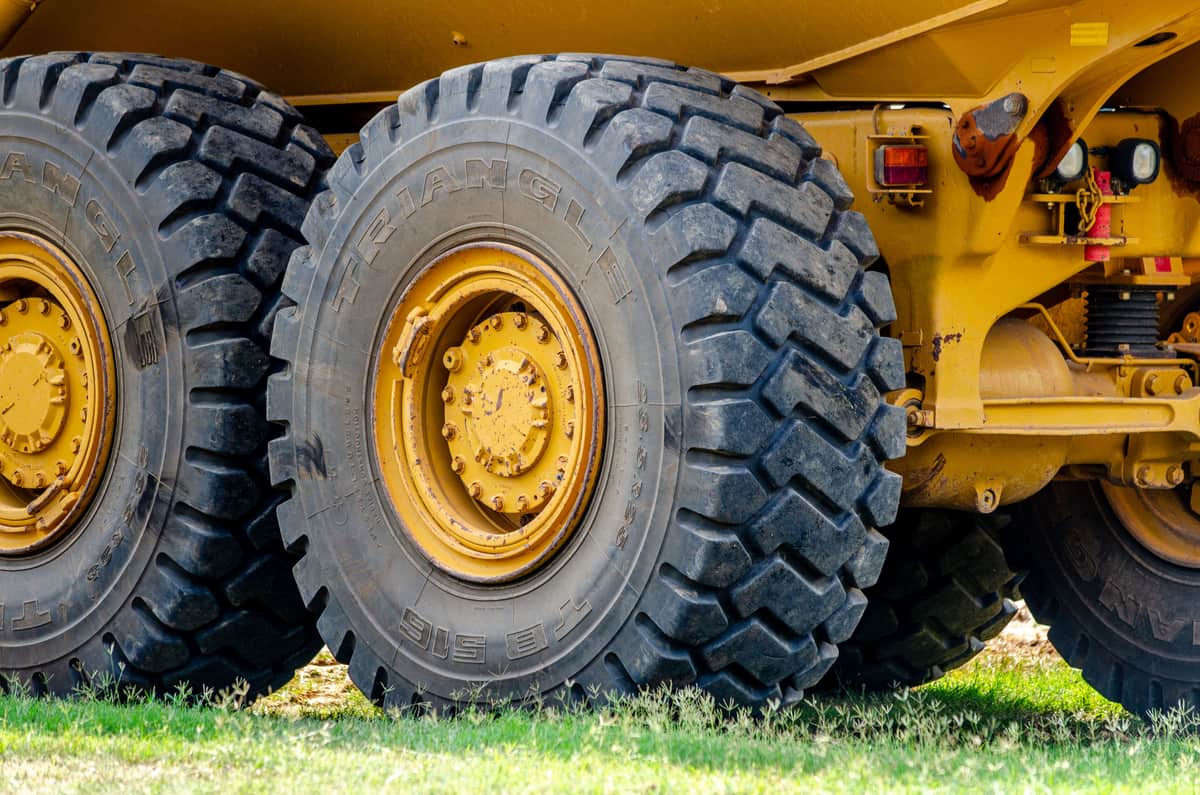
The arithmetic is brutal and it is worth understanding before you buy. An RV tire holds far more air than a car tire, and it needs that air at a substantially higher pressure. Both factors multiply the work the compressor has to do.
Quick picks
Tap any row to jump to the full write-up. Scoring criteria are published in full on our methodology page.
| # | Product | Best for | Our read | Price |
|---|---|---|---|---|
| 1 | VIAIR 88P Portable Compressor Best for RV and trailer tires | Truck, SUV and off-road tires | Battery clamps, and built for the volume | Check price on Amazon #ad Affiliate link · We show no price here; Amazon shows the current one |
| 2 |  DEWALT DCC020IB 20V MAX Inflator Best for top-ups on the road | Anyone already on DEWALT 20V batteries | Three power sources, threaded chuck | Check price on Amazon #ad Affiliate link · We show no price here; Amazon shows the current one |
| 3 |  AstroAI 12V Tire Inflator Adequate only for the tow car | The cheapest inflator still worth owning | Not the tool for an 80 PSI RV tire | Check price on Amazon #ad Affiliate link · We show no price here; Amazon shows the current one |
Why higher pressure makes it much harder, not slightly
A compressor does not move a fixed amount of air regardless of pressure. As the pressure in the tire rises, the compressor has to work against it, so its output falls and its motor heats faster. A unit that fills a car tire to 35 PSI without complaint may be barely moving air at 80 PSI, while running hot enough to trip its thermal cut-out.
That is why maximum-PSI badges mislead here. A pocket inflator rated to 150 PSI will genuinely reach 150 PSI, into a small volume, slowly. It says nothing about filling a large tire to 80. Duty cycle, explained is the concept that matters.
And the socket fuse caps it anyway
A 12 V accessory socket is typically protected at 10-20 A, which caps the electrical power a socket-powered inflator can draw — and therefore caps the air it can move. No motor improvement gets past that ceiling. Connecting directly to the battery terminals bypasses it, which is the entire reason battery-clamp compressors exist.
| Inflator class | Tow-car tire top-up | RV tire top-up | RV tire from low |
|---|---|---|---|
| Pocket cordless | Easily | Slowly, if at all | No |
| 12 V socket | Easily | Slowly, with cooling breaks | Not practically |
| Tool-battery | Easily | Yes, in stages | Marginal |
| Battery-clamp compressor | Easily | Yes | Yes — this is the job |
This describes product classes rather than measured times for named models. We publish no fill-time figures because we do not measure them.
RV tire pressure is its own discipline
Unlike a car, where the door-jamb placard gives you one or two numbers and you are done, RV tire pressure depends on the actual load on each axle. The correct pressure comes from the tire manufacturer's load-and-inflation table for your tire size, read against your weighed axle loads — which is why serious RV owners get their rig weighed.
What we will not do is publish a pressure figure for your RV, because there is no single correct one. What we can say firmly is the same rule as everywhere else: do not use the maximum pressure molded into the sidewall as a target. NHTSA's guidance that the vehicle manufacturer's figure governs applies here too — it is just that for an RV the figure is load-dependent. Check the placard and your tire maker's load table.
Practical technique
- Run the engine while using a clamp or socket compressor, so you are drawing from the alternator rather than the battery.
- Work cold, before driving, as with any tire. Heat from rolling raises the reading and hides underinflation.
- Use a separate, accurate gauge. Built-in gauges drift, and the consequences of being 5 PSI out are larger at 80 PSI than at 35. Gauge accuracy.
- Check every tire including duals and the spare. An inner dual is the tire nobody checks and the one that fails.
- Get an extension hose if your valve stems are recessed behind a wheel cover, which on RVs they often are.
The picks
1. Best for RV and trailer tires
VIAIR 88P Portable Compressor
VIAIR · Best for truck, suv and off-road tires
A battery-clamp compressor built for the tire sizes socket-powered units cannot handle without stopping to cool down.
This manufacturer does not publish a full specification table for this model on its own site. Rather than repeat figures we cannot source, the assessment below is limited to what the product category and the retailer listing genuinely establish.
What works
- Connects to the battery terminals rather than the 12 V socket, so socket fuse current is not the limit
- Built for larger tires and repeated fills — the duty cycle is the whole reason to buy it
- Metal body and a real air hose rather than a molded plastic assembly
What does not
- The battery-clamp connection means popping the hood every time
- Bigger and heavier than any glovebox inflator
- Overkill, and slower to set up, for a routine cold-morning top-up
Skip it if
Not the pick if you drive a sedan and just want to correct 4 PSI once a month. That is what a socket inflator is for.
#ad Affiliate link · We show no price here; Amazon shows the current one
2. Best for top-ups on the road
DEWALT DCC020IB 20V MAX Inflator
DEWALT · Best for anyone already on dewalt 20v batteries
Three power sources in one body — 20V MAX battery, 12 V socket or 110 V wall — with a digital gauge and auto-shutoff, which is what makes an inflator usable everywhere.
Published specifications
What works
- The 12 V socket option means a dead tool battery never leaves you stranded
- A threaded chuck screws onto the valve stem instead of clamping — the difference between a solid seal and a hissing one
- Set-and-walk-away auto-shutoff at your target pressure
- High-volume mode handles air mattresses and inflatables, not just tires
What does not
- Sold as a bare tool — battery, charger and AC adapter are separate purchases
- Bigger and heavier than a pocket 12 V inflator, so it wants trunk space
Skip it if
Not the pick if you own no DEWALT batteries and only ever top up car tires. A plain 12 V inflator is smaller and cheaper for that job.
#ad Affiliate link · We show no price here; Amazon shows the current one
Raw specifications: DEWALT’s own page for the DEWALT DCC020IB 20V MAX Inflator.
3. Adequate only for the tow car
AstroAI 12V Tire Inflator
AstroAI · Best for the cheapest inflator still worth owning
A plain 12 V socket-powered inflator with a digital gauge and auto-shutoff — the baseline that covers a car's tires with no battery to maintain.
This manufacturer does not publish a full specification table for this model on its own site. Rather than repeat figures we cannot source, the assessment below is limited to what the product category and the retailer listing genuinely establish.
What works
- Powered from the 12 V socket, so it works whenever the car does
- Nothing to keep charged, which means it is never flat when the tire is
- Digital preset shutoff at the target pressure
What does not
- The cord limits where you can work, and reaching a rear tire can be tight
- Small-motor inflators in this tier run hot; large tires need rest intervals
- Gauge accuracy in this class varies unit to unit, so verify against a separate gauge
Skip it if
Not the pick if you regularly air down and back up for trails, or run light-truck tires. That is dedicated-compressor work.
#ad Affiliate link · We show no price here; Amazon shows the current one
Key takeaways
- Higher pressure reduces a compressor's output and heats it faster — it compounds.
- The 12 V socket's fuse caps throughput; battery clamps bypass it.
- RV pressures are load-dependent; use the tire maker's load table, not the sidewall max.
- Trailer tires age out before they wear out — inspect for sidewall cracking.
- Check inner duals and the spare, which are the tires nobody checks.
How we sourced this
Every figure on this page came from one of the following. Where a manufacturer or regulator does not publish a number, we say so rather than estimate it.
Common questions
- What tire inflator do I need for an RV?
- A battery-clamp compressor. RV tires combine larger air volumes with higher pressures, and a 12 V socket inflator is capped by the socket's fuse current. What you are buying is throughput and duty cycle, not a higher maximum-PSI rating.
- What pressure should RV tires be?
- It depends on the load on each axle, which is why there is no single correct figure. Use your tire manufacturer's load-and-inflation table for your tire size against your weighed axle loads, and the vehicle's placard. Never use the maximum pressure molded into the sidewall as a target.
- Why won't my portable inflator fill my RV tire?
- Two reasons compounding. A compressor's output falls as tire pressure rises, so it moves much less air at 80 PSI than at 35, and it heats faster doing it. Small units hit their thermal cut-out long before a large tire reaches pressure.
- How often should I check RV tire pressure?
- Before every trip, cold, and including the spare and any inner duals. Trailer tires in particular sit unchecked for whole seasons, and they tend to age out from UV and sidewall cracking before they wear out.
More in Road Trip & Travel
What changes when the nearest parts store is four hours away, the pack has to survive a hot trunk, and the airline has an opinion about your lithium battery.
Read next
Best for Trucks & SUVs
For Trucks & SUVs
Battery-clamp compressors and heavy-duty units for light-truck and off-road tires, with the duty-cycle reasoning spelled out.

Best for RVs
Best for RVs
Packs sized for motorhome chassis engines, why the diesel rating is the column that matters, and where the house battery fits in.
Guide
Duty Cycle Explained
What duty cycle means, why it decides whether an inflator can handle large tires, and what to infer when the manufacturer stays silent.

Guide
What PSI Should My Tires Be?
The single most common tire mistake, fixed in two minutes: placard versus sidewall, checking cold, and what cold weather does to the reading.
Found something out of date, or a figure you can source better than we did? Tell us — corrections get read first. Our methodology explains how picks are made, and contact is one click away.