Jump Starters
The best portable jump starters for ATVs
Small battery, rough environment, and usually the furthest you will ever be from a second vehicle.
Disclosure: we earn a commission if you buy through the Amazon links on this page, at no extra cost to you. Commission never decides a verdict or a ranking position — read our editorial policy and affiliate disclosure.
How we assessed these: picks are selected from manufacturer specifications, current retailer listings and published owner feedback — not from hands-on testing of every unit. Where a manufacturer does not publish a figure, it is left out rather than estimated.
Short answer
Buy a small, sealed pack. An ATV battery is powersports-sized, so 500 peak amps is ample and a 2.1 lb IP65 unit fits a storage box. Size up only if the same pack also has to start the truck that tows the machine.
The electrical requirement here is modest and well understood — it is essentially the motorcycle case. What is different is the environment and the consequence of failure.
Quick picks
Tap any row to jump to the full write-up. Scoring criteria are published in full on our methodology page.
| # | Product | Best for | Our read | Price |
|---|---|---|---|---|
| 1 | 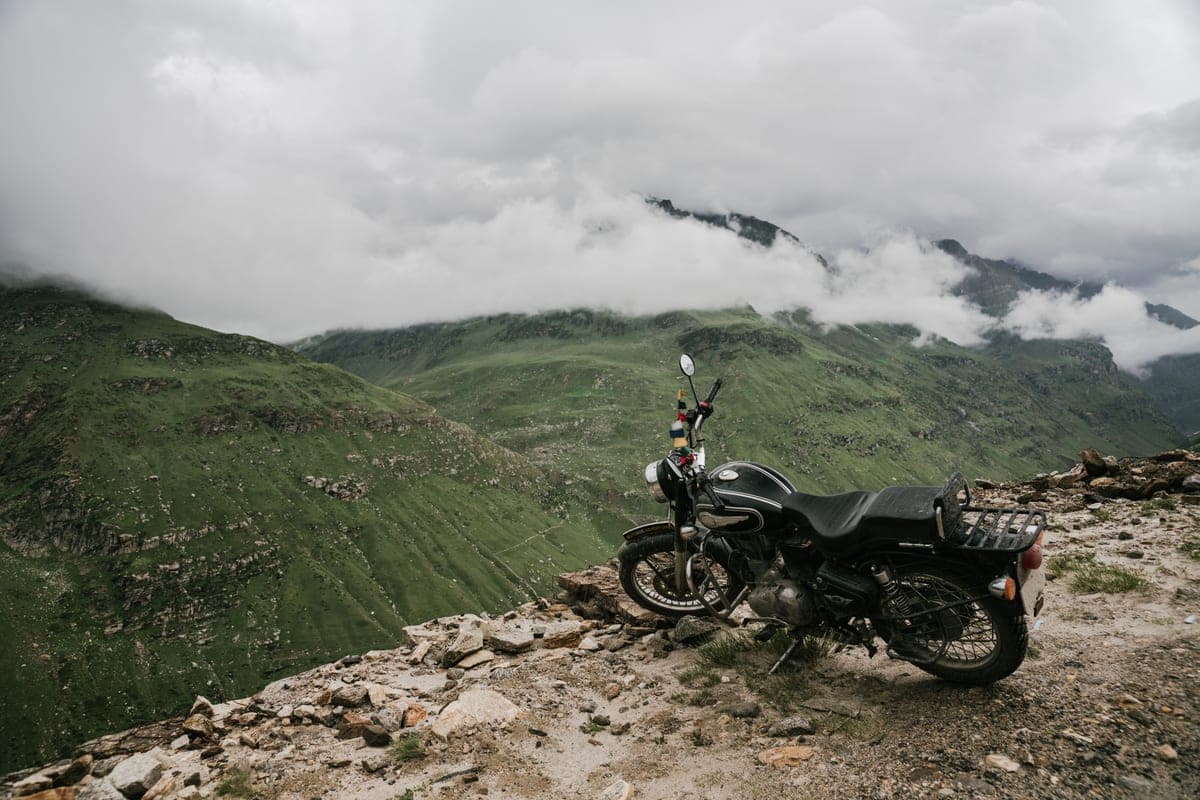 NOCO Boost Sport GB20 Best for ATVs and UTVs | Motorcycles, ATVs and small engines | 500 A, 2.1 lb, IP65, fits a storage box | Check price on Amazon #ad Affiliate link · We show no price here; Amazon shows the current one |
| 2 | 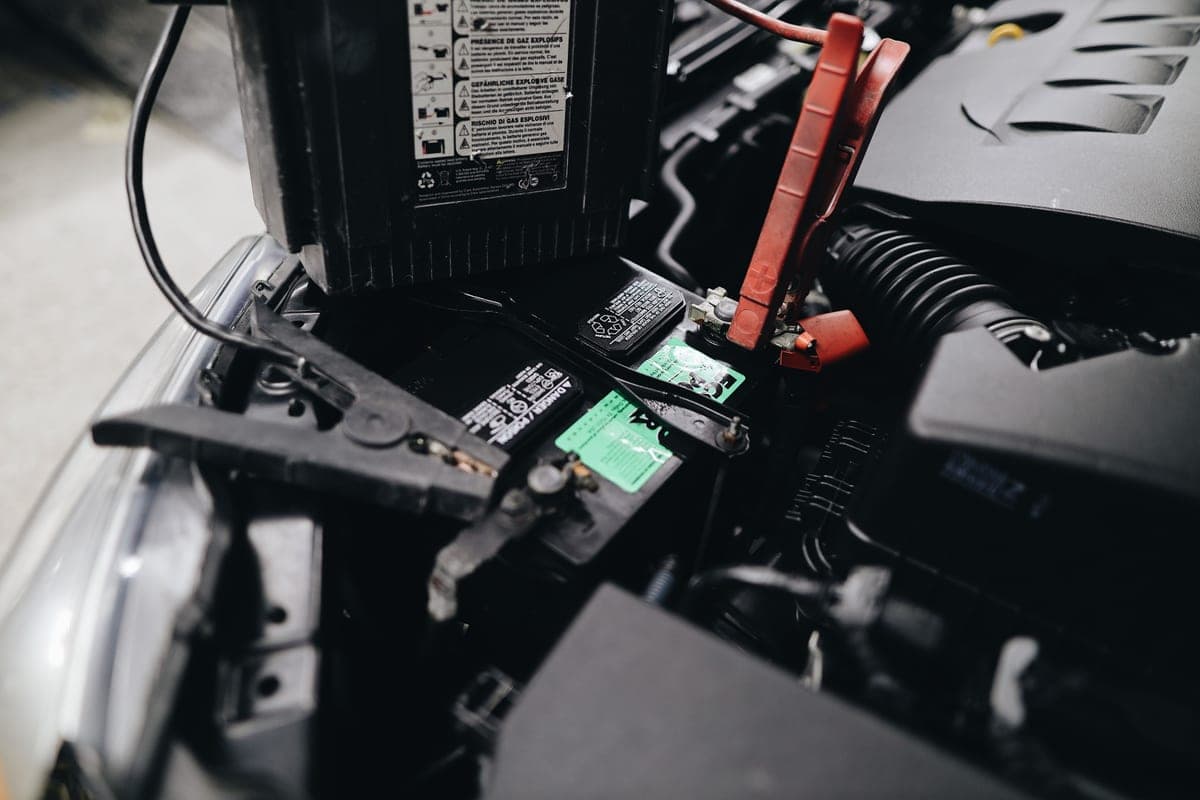 NOCO Boost Plus GB40 Best if it covers the tow vehicle too | Most cars and small SUVs | 6.0 L gas — the quad and the truck | Check price on Amazon #ad Affiliate link · We show no price here; Amazon shows the current one |
| 3 | NOCO GENIUS2 For the off-season | Motorcycles, ATVs and lawn equipment | 2 A maintainer stops the spring no-start | Check price on Amazon #ad Affiliate link · We show no price here; Amazon shows the current one |
Environment is the real specification
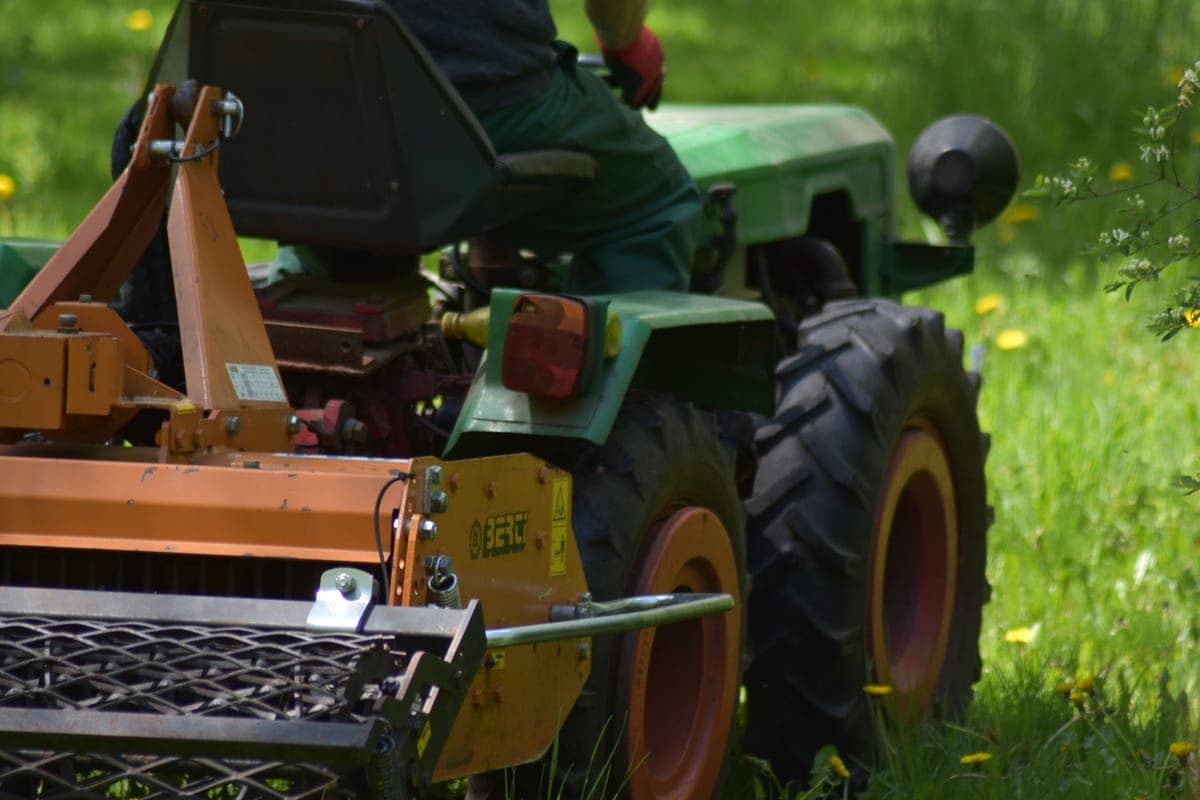
An ATV pack does not live in a climate-controlled trunk. It lives in a plastic storage box on a machine that is deliberately driven through dust, mud and water, and it gets vibrated continuously. Three things follow:
- A sealed enclosure matters more than usual. An IP65 rating covers dust ingress and low-pressure water jets, which is the right specification for this use. NOCO publishes IP65 across the Boost line.
- Physical size is a hard constraint. Storage boxes on quads are small and already hold other things. 2.1 lb and a compact case is not a luxury here.
- Heat cycling is severe. A dark box in the sun gets hot, and sustained heat permanently costs a lithium pack capacity — storage and heat applies with force. Bring the pack indoors between uses if you can.
Why ATV batteries die
Same mechanism as a motorcycle: sitting. ATVs are seasonal for most owners, and a small battery left partly discharged over months sulfates and permanently loses capacity. That is why the third pick on this page is a maintainer rather than another pack.
Use 1-2 amps. A car-sized 5 or 10 amp charger is far more current than a powersports battery is built to accept — the sizing guide covers the arithmetic. A maintainer left on through the off-season is the single most effective thing you can do about spring no-starts.
One pack or two?
If you trailer the machine, the tow vehicle is the bigger engine and the harder start. A GB40 at 6.0 L gas covers a truck and a quad for about a third of a pound more than the GB20 — if you are buying one pack for both, buy that. If the pack lives permanently on the ATV, the smaller unit is the better fit.
The picks
1. Best for ATVs and UTVs
NOCO Boost Sport GB20
NOCO · Best for motorcycles, atvs and small engines
The smallest pack in the range and the right one for powersports: 500 peak amps, 2.1 lb, and a gas rating that stops at 4.0 liters — which is all a bike or a quad ever asks for.
Published specifications
What works
- 2.1 lb — light enough to live under a motorcycle seat or in an ATV storage box, which is the whole point
- 500 peak amps is correctly sized for powersports batteries rather than wildly over them
- Same IP65 enclosure and reverse-polarity protection as the larger packs
- 24 Wh, so it flies in carry-on baggage like the rest of the range
What does not
- The 4.0 L gas ceiling rules out most cars, so it is not a do-everything pack
- NOCO states diesel is not recommended at all for this model — read that as a hard limit
- Small reserve, so cold-weather attempts eat into it quickly
Skip it if
Do not buy it as your car's pack as well. NOCO's own rating stops at 4.0 L gas and says not recommended for diesel, and a bike pack asked to start a car is exactly the wrong economy.
#ad Affiliate link · We show no price here; Amazon shows the current one
Raw specifications: NOCO’s own page for the NOCO Boost Sport GB20.
2. Best if it covers the tow vehicle too
NOCO Boost Plus GB40
NOCO · Best for most cars and small suvs
The default answer for a four- or six-cylinder car: 1,000 peak amps, 24 watt-hours, and light enough that it actually stays in the trunk.
Published specifications
What works
- 24 Wh sits far under the 100 Wh carry-on threshold, so flying with it needs no airline approval
- 2.45 lb and pocketable — the size that decides whether a tool is still in the trunk six months later
- IP65 enclosure, so a wet shoulder in the rain is not a problem
- Reverse-polarity protection means a backwards clamp does not spark
What does not
- 1,000 peak amps runs out of headroom above a 6.0 L gas engine
- The 3.0 L diesel ceiling rules out most modern diesel pickups
- 24 Wh is a small reserve — it is a jump starter, not a power bank substitute
Skip it if
Not the one to buy if you drive a diesel pickup or a big V8. You would be at the edge of its rating on a cold morning, which is exactly when you want margin.
#ad Affiliate link · We show no price here; Amazon shows the current one
Raw specifications: NOCO’s own page for the NOCO Boost Plus GB40.
3. For the off-season
NOCO GENIUS2
NOCO · Best for motorcycles, atvs and lawn equipment
A 2-amp maintainer for the small batteries a car charger would cook: motorcycles, ATVs, mowers and anything that sits for months.
Published specifications
What works
- 2 A is the right order of magnitude for a 10-20 Ah powersports battery
- Safe to leave connected through a whole off-season
- Light and small enough to live on a shelf beside the bike
What does not
- The 40 Ah ceiling makes it a maintainer for a car battery, not a recovery charger
- Recharging a flat car battery at 2 A takes most of a weekend
Skip it if
Not the charger to buy if your actual problem is a flat car battery you need back tonight. That is a 5 A or 10 A job.
#ad Affiliate link · We show no price here; Amazon shows the current one
Raw specifications: NOCO’s own page for the NOCO GENIUS2.
Key takeaways
- 500 peak amps is ample for a powersports battery — small is correct.
- A sealed IP65 case matters more here than in a car trunk.
- Heat in a storage box permanently costs lithium capacity; store it cooler.
- ATV batteries mostly die from sitting — a 2 A maintainer prevents it.
- Buying one pack for the quad and the tow vehicle means sizing for the truck.
How we sourced this
Every figure on this page came from one of the following. Where a manufacturer or regulator does not publish a number, we say so rather than estimate it.
Common questions
- What size jump starter do I need for an ATV?
- A small one. An ATV battery is powersports-sized, so a pack rated around 500 peak amps is ample. Compactness and a sealed case matter more than amps, because the pack has to fit a storage box and survive dust, water and vibration.
- Will a jump starter survive living on an ATV?
- A sealed pack with an IP65 rating is built for dust and low-pressure water, which is the right specification for this use. The bigger long-term threat is heat: a dark storage box in the sun permanently costs a lithium pack capacity, so bring it indoors between uses if you can.
- Why does my ATV battery go flat over winter?
- Because it sits. A small battery left partly discharged for months sulfates and permanently loses capacity, which is why seasonal machines so often will not start in spring. A 1-2 amp maintainer left connected through the off-season prevents it.
More in Jump Starters
A jump pack is the one trunk tool that turns a tow truck into a five-minute inconvenience. This is how to size one, and which ones are worth the space.
Read next
Best for Motorcycles
Best for Motorcycles
Compact packs correctly sized for powersports batteries, plus why a bike battery dies differently from a car's.
Best Battery Maintainers
Best Maintainers
Low-current maintainers for seasonal and stored vehicles, including the solar option for anything parked away from an outlet.

Guide
Storage and Heat
Why a hot trunk permanently costs a lithium pack capacity, where to store it instead, and the one case where lead-acid genuinely wins.
Guide
What Size Do I Need?
The sizing table by engine displacement and fuel type, using ratings manufacturers publish and warrant rather than peak-amp marketing.
Found something out of date, or a figure you can source better than we did? Tell us — corrections get read first. Our methodology explains how picks are made, and contact is one click away.