Battery Chargers
The best Group 34 batteries
Group 34 is a case size and a terminal layout, not a performance tier. Once the group is settled, the only honest way to separate these batteries is on the figures their makers publish.
Disclosure: we earn a commission if you buy through the Amazon links on this page, at no extra cost to you. Commission never decides a verdict or a ranking position — read our editorial policy and affiliate disclosure.
How we assessed these: this page is a documentation and fitment assessment, not a load-test report. We compare the published cold-cranking, reserve-capacity and weight figures each maker states for its own Group 34 models, and we say plainly where a brand publishes nothing. We have not bench-tested these batteries and do not claim to have.
Short answer
For most vehicles that take a Group 34, the ODYSSEY Performance ODP-AGM34 is the one to buy: ODYSSEY publishes 1,000 cold cranking amps and 130 minutes of reserve capacity at 46.6 pounds. The Extreme ODX-AGM34 publishes slightly more — 1,050 CCA and 135 minutes — for nearly 3 pounds more weight and a real price step. If anything in the vehicle draws power with the engine off, the OPTIMA YellowTop D34/78 is the dual-purpose answer at a published 50 amp-hours. The RedTop 34/78 is the lowest outlay of the four at a published 800 CCA.
Quick picks
Tap any row to jump to the full write-up. Scoring criteria are published in full on our methodology page.
| # | Product | Best for | Our read | Price |
|---|---|---|---|---|
| 1 | 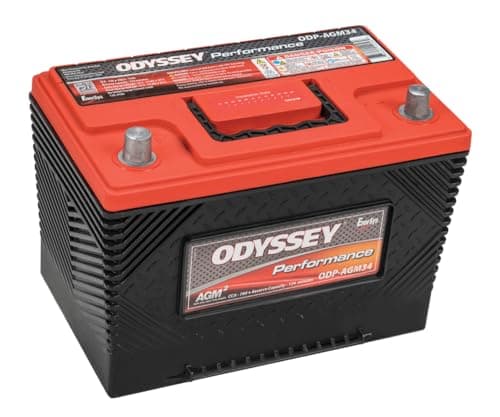 ODYSSEY Performance ODP-AGM34 Best overall | Group 34 AGM without the Extreme premium | 1,000 CCA and 130 minutes reserve, 2.9 lb lighter than the Extreme | $339.67$361.99View on Amazon #ad Affiliate link · Price as of November 28, 2026 |
| 2 | 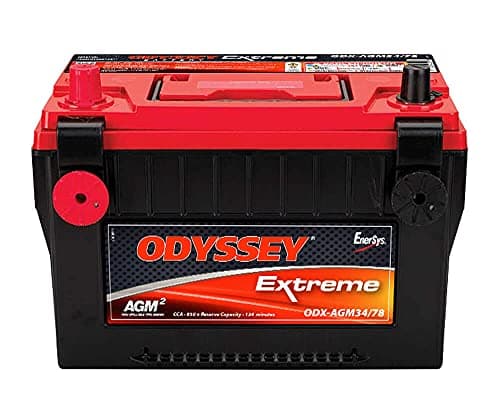 ODYSSEY Extreme ODX-AGM34 (34-PC1500T) Best for maximum cranking | Maximum cranking in Group 34 | 1,050 CCA and 135 minutes — the highest figures we could source | $366.64View on Amazon #ad Affiliate link · Price as of November 28, 2026 |
| 3 | 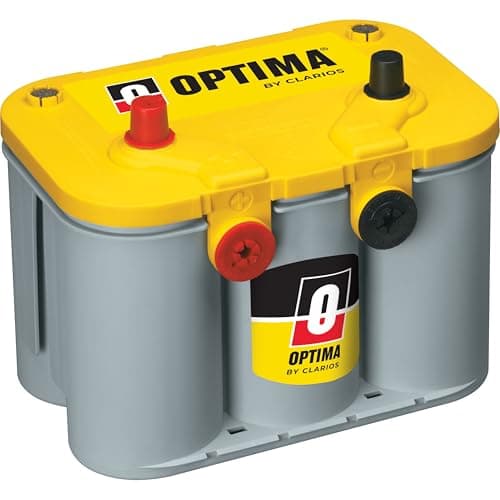 OPTIMA YellowTop D34/78 Best dual-purpose | Starting plus genuine deep cycling | 50 Ah, built to be discharged and recharged repeatedly | $316.55View on Amazon #ad Affiliate link · Price as of November 28, 2026 |
| 4 | 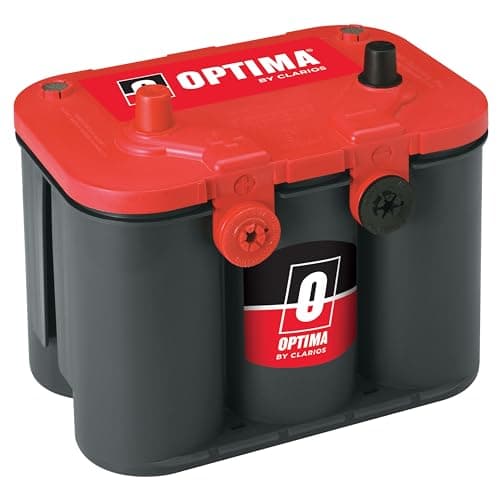 OPTIMA RedTop 34/78 Budget pick | A pure starting battery, dual terminals | 800 CCA with both top and side terminals, lowest outlay here | $289.99View on Amazon #ad Affiliate link · Price as of November 28, 2026 |
What Group 34 actually means
A BCI group number describes a battery's case: its length, width and height, where the terminals sit, and what type they are. It says nothing at all about how much current the battery delivers or how long it lasts. That is why "Group 34" is the first thing to settle and the last thing that should decide your purchase — it tells you what will physically drop into the tray and bolt to the cables, and then every meaningful difference is in the figures the maker publishes.
Group 34 is one of the most common sizes in North America, which is good news and bad news. The good news is that every serious brand builds one, so there is real choice. The bad news is that it sits next to several groups that look similar and are not interchangeable — 35, 48/H6, 47/H5 and 65 among them. Before you shop anything on this page, read the group number off the label of the battery currently in the vehicle, or off the door placard, and match it. A battery that does not fit is the most expensive mistake in this category, because it is heavy, it has a core charge attached, and returning it is a chore.
How we separated them
We do not bench-test batteries, and we are not going to pretend otherwise. What we can do is read what each maker publishes and rank on it, because in this category the disclosure gap between brands is wider than the performance gap. Four figures carry the decision:
- Cold cranking amps (CCA). The current the battery delivers at 0 °F for 30 seconds while holding usable voltage. This is the number that decides whether a cold engine turns over, and it is the figure most worth having published.
- Reserve capacity. How many minutes the battery can carry a 25-amp load on its own. This is the alternator-failure number: it is how far you get when the charging system quits, and it is the specification almost nobody looks at until the day they need it.
- Terminal layout. Top posts, side terminals, or both. A fitment question disguised as a detail.
- Weight. In lead-acid, weight is a rough proxy for how much lead is inside, and it is also a practical matter — a 49-pound battery lifted into a fender well at arm's length is a different job from a 38-pound one.
All four picks here are AGM — absorbed glass mat — rather than flooded. That is partly because AGM is what the premium Group 34 market has become, and partly because AGM is sealed, non-spillable and tolerant of vibration, which matters if the battery is mounted anywhere other than upright in a ventilated tray. AGM is a construction type and not a performance tier, and it carries one requirement people miss: a charge profile suited to it. The best AGM battery chargers covers that, and the best AGM car batteries is the wider construction-first view across group sizes.
| Battery | Cold cranking amps | Reserve capacity | Terminals | Weight | Built for |
|---|---|---|---|---|---|
| ODYSSEY Performance ODP-AGM34 | 1,000 A | 130 minutes | Group 34, SAE top posts | 46.6 lb | Starting, with real margin |
| ODYSSEY Extreme ODX-AGM34 | 1,050 A | 135 minutes | Group 34, SAE top posts | 49.5 lb | Maximum cranking |
| OPTIMA YellowTop D34/78 | Not published per model | Not published per model | Top and side (34/78) | Not published per model | Starting plus deep cycling |
| OPTIMA RedTop 34/78 | 800 A | Not published per model | Top and side (34/78) | Not published per model | Starting only |
ODYSSEY publishes a full specification table for both Series, linked in the sources below. OPTIMA publishes headline figures in article form rather than a per-model specification table, which is why several cells read "not published" rather than carrying a number scraped from a retail listing. OPTIMA does publish 50 amp-hours of capacity for the YellowTop D34/78 and describes its 800 CCA RedTop rating as conservative.
The picks
1. Best overall
ODYSSEY Performance ODP-AGM34
ODYSSEY · Best for group 34 agm without the extreme premium
Within 50 cold cranking amps of the Extreme and nearly 3 lb lighter — the Performance line is where most Group 34 buyers should actually land.
Published specifications
What works
- 1,000 CCA and 130 minutes reserve — within 5% of the Extreme on both figures
- 2.9 lb lighter than the Extreme, which you notice lifting it into a fender well
- Same AGM construction and the same published-specification transparency
- An ODP-AGM34R variant exists for reversed terminal positions
What does not
- Still a heavy, premium-priced battery next to a stock flooded replacement
- The Extreme's extra 50 CCA and 5 reserve minutes cost more than they are worth to most drivers, which makes this line the better buy and the less exciting one
- Group 34 only
Skip it if
Not the right battery if your vehicle takes a Group 48/H6, 47/H5 or 65 — check the door placard or the old battery's label before you shop anything on this page.
#ad Affiliate link · Price as of November 28, 2026
Raw specifications: ODYSSEY’s own page for the ODYSSEY Performance ODP-AGM34.
2. Best for maximum cranking
ODYSSEY Extreme ODX-AGM34 (34-PC1500T)
ODYSSEY · Best for maximum cranking in group 34
The highest published cranking figures in Group 34 we could source: 1,050 CCA and 135 minutes of reserve capacity, at the cost of nearly 50 lb on the shelf.
Published specifications
What works
- 1,050 CCA is the highest published cold-cranking figure we found in Group 34
- 135 minutes of reserve capacity is real margin when the alternator quits away from home
- AGM construction, so it is sealed, non-spillable and tolerant of vibration
- ODYSSEY publishes a full specification table, which is rarer in this category than it should be
What does not
- 49.5 lb is heavy even for a Group 34 — awkward to carry and expensive to ship
- Priced well above a mainstream flooded battery for cranking power most engines never draw
- Group 34 only — it fits what it fits, and no amount of specification makes it fit anything else
Skip it if
Skip it if your vehicle is a commuter that starts fine today. You are buying cold-morning and accessory-load margin, and a stock-replacement battery in the right group size starts the same engine for far less.
#ad Affiliate link · Price as of November 28, 2026
Raw specifications: ODYSSEY’s own page for the ODYSSEY Extreme ODX-AGM34 (34-PC1500T).
3. Best dual-purpose
OPTIMA YellowTop D34/78
OPTIMA · Best for starting plus genuine deep cycling
The dual-purpose answer: OPTIMA rates the D34/78 at 50 Ah and builds it to start an engine and then be discharged and recharged repeatedly, which a RedTop is not.
Published specifications
- Capacity
- 50 Ah source
What works
- Built for starting AND deep cycling, which is the combination winches, inverters and big audio actually need
- Same dual top-and-side terminal case as the RedTop 34/78
- Sealed spiral-cell AGM, so it can be mounted in places a flooded battery should not
What does not
- OPTIMA publishes little beyond headline figures for this model, so there is less to verify than we would like
- Dual-purpose construction means it is a compromise at both jobs against a dedicated starting or dedicated deep-cycle battery
- Premium price for capability a standard commuter never uses
Skip it if
Skip it if nothing in your vehicle draws power with the engine off. You would be paying for deep-cycle capability you will never discharge into, and a straight starting battery is the better buy.
#ad Affiliate link · Price as of November 28, 2026
Raw specifications: OPTIMA’s own page for the OPTIMA YellowTop D34/78.
4. Budget pick
OPTIMA RedTop 34/78
OPTIMA · Best for a pure starting battery, dual terminals
A starting-only AGM in a spiral-cell case, rated by OPTIMA at 800 cold cranking amps, with both top and side terminals so it drops into a wider range of vehicles.
Published specifications
- Cold cranking amps
- 800 A (OPTIMA describes this as conservatively rated) source
What works
- The 34/78 case carries both top and side terminals, which widens what it fits
- Spiral-cell AGM construction is sealed, non-spillable and vibration tolerant
- Widely stocked, so a replacement is easy to find when you need one quickly
What does not
- OPTIMA does not publish a full specification table for this model the way ODYSSEY does, so there are fewer figures here to check
- A starting battery only — it is not built for repeated deep discharge
- 800 CCA is below the Group 34 AGM models above, though ample for most engines
Skip it if
Not the one if you run a winch, a big audio system or camp off the battery. Repeated deep discharge is what the YellowTop line exists for, and a RedTop asked to do that job will not last.
#ad Affiliate link · Price as of November 28, 2026
Raw specifications: OPTIMA’s own page for the OPTIMA RedTop 34/78.
Why the Performance is the pick over the Extreme
This is the one judgment call on the page worth defending, because the Extreme wins on paper. ODYSSEY publishes 1,050 cold cranking amps and 135 minutes of reserve for the Extreme ODX-AGM34, against 1,000 and 130 for the Performance ODP-AGM34. That is a 5 percent cranking difference and roughly 4 percent of reserve — margins thinner than the difference a cold night or a tired starter makes.
What you pay for that 5 percent is a real price step and 2.9 pounds, which brings the Extreme to 49.5 pounds. There is a scenario where it is the right purchase: an engine that is genuinely hard to crank, a climate where mornings are well below freezing for months, or a vehicle with a winch and a light bar where the reserve minutes get used. Outside those, the Performance line is where most Group 34 buyers should land, and the fact that it is the less exciting answer does not make it the wrong one.
Both ODYSSEY models share the thing that put them at the top of this page: a published specification table you can check, model by model, with CCA, pulse hot cranking amps, reserve capacity and weight in it. That is rarer in car batteries than it should be, and it is the reason the two brands on this page are not ranked level.
When the OPTIMA dual-terminal case is the deciding factor
The 34/78 case carries both SAE top posts and GM-style side terminals, which widens what it drops into — and on some vehicles it is the difference between a battery that connects and one that needs adapters. If your current battery has side terminals, that is reason enough to shortlist the OPTIMA pair before the ODYSSEY pair, regardless of the figures.
Between the two OPTIMAs, the question is what draws power when the engine is off. The RedTop is a starting battery: spiral-cell AGM, rated by OPTIMA at 800 cold cranking amps, described by OPTIMA as conservatively rated, and not built for repeated deep discharge. The YellowTop D34/78 is the dual-purpose model, published at 50 amp-hours and built to be discharged and recharged repeatedly — which is what a winch, an inverter, a big audio system or camping off the battery actually needs. RedTop versus YellowTop is the direct comparison, and starting versus deep-cycle batteries explains why asking one to do the other's job shortens its life.
The honest cost of choosing OPTIMA here is verifiability. OPTIMA does not publish a per-model specification table the way ODYSSEY does, so there is less to check before you buy and less to hold anyone to afterward. We have not filled those gaps with figures from retail listings, because a number without a publisher behind it is not a specification. If the specification table is how you decide, buy the brand that publishes one.
What none of these batteries will fix
A new Group 34 battery solves exactly one problem: a battery that has lost the capacity to hold a charge. It does not solve a parasitic drain, a failing alternator, or a car that sits for three weeks at a time. If you are replacing a battery that is less than three years old, something else is wrong, and the replacement will arrive at the same place on the same schedule.
Two pages cover that properly before you spend a few hundred dollars: how to tell if a car battery is bad separates a flat battery from a finished one, and can you overcharge a car battery covers the charging side. If the vehicle simply sits — a weekend car, a second car, anything stored for the season — a maintainer is the cheaper purchase and the one that extends whichever battery you buy: the best battery maintainers and trickle chargers is the page for that.
And if the cranking problem shows up away from home, the battery is not the item you can fix at the roadside. NOCO GBX45 alternatives and the best portable jump starters cover the pack that gets you moving; this page covers the purchase that stops it happening again.
What we would buy
A Group 34 fitment with SAE top posts, and no unusual accessory load: the ODYSSEY Performance ODP-AGM34. It publishes 1,000 CCA and 130 minutes of reserve, it is the lighter of the two ODYSSEY models, and it is within 5 percent of the Extreme on both headline figures.
A hard-starting engine, a long cold season, or accessory draw that uses the reserve minutes: the Extreme ODX-AGM34, accepting 49.5 pounds and the premium. Side terminals, or a 34/78 fitment: the OPTIMA pair — the YellowTop D34/78 if anything draws power with the engine off, the RedTop 34/78 if the battery only ever starts the car and the lowest outlay of the four is the point. If you are not yet certain the group number is 34 at all, go back to the best car batteries, which is organized group-size-first for exactly that reason.
Two neighboring pages: the best Group 78 batteries covers the side-terminal fitment that these 34/78 dual-terminal cases also serve, and the best car batteries under the 500-dollar cap works the same shelf from the price side.
Key takeaways
- Group 34 is a case size and terminal layout. It says nothing about cranking power — confirm it from the old battery's label or the door placard first.
- ODYSSEY publishes a per-model specification table; OPTIMA publishes headline figures in article form. That gap is why the ranking looks the way it does.
- Performance ODP-AGM34: 1,000 CCA, 130 minutes reserve, 46.6 lb — the pick for most Group 34 buyers.
- Extreme ODX-AGM34: 1,050 CCA, 135 minutes, 49.5 lb. Roughly 5 percent more cranking for a real price and weight step.
- The "34/78" OPTIMA case carries both top and side terminals, which can decide the purchase on its own.
- YellowTop D34/78 is published at 50 Ah and built for repeated discharge; the RedTop is a starting battery only.
- All four are AGM, which needs an AGM-appropriate charge profile — not every charger provides one.
How we sourced this
Every figure on this page came from one of the following. Where a manufacturer or regulator does not publish a number, we say so rather than estimate it.
- ODYSSEY Performance Series battery specifications
- ODYSSEY Extreme Series battery specifications
- ODYSSEY ODX-AGM34 product page
- OPTIMA 34/78 published rating
- OPTIMA — which OPTIMA battery is better, red or yellow?
- ODYSSEY Battery — frequently asked questions (winter storage, parasitic drain, maintainer use)
Common questions
- What is the best Group 34 battery?
- On published figures, the ODYSSEY Performance ODP-AGM34 is the one most Group 34 buyers should pick: ODYSSEY publishes 1,000 cold cranking amps, 130 minutes of reserve capacity and 46.6 pounds. The Extreme ODX-AGM34 publishes 1,050 CCA and 135 minutes for nearly 3 pounds more and a higher price, which is worth it only for a hard-starting engine or a heavy accessory load.
- Is a Group 34 battery the same as a 34/78?
- Not quite. A 34/78 is a dual-terminal case carrying both SAE top posts and GM-style side terminals, which is why OPTIMA sells it under both numbers. A plain Group 34 battery such as the ODYSSEY ODX-AGM34 or ODP-AGM34 has SAE top posts only. If your cables attach to side terminals, that difference decides the purchase.
- How many cold cranking amps does a Group 34 battery have?
- It varies by model, not by group, which is the whole point of this page. Among the four here, the published figures run from OPTIMA's 800 CCA on the RedTop 34/78 to ODYSSEY's 1,050 CCA on the Extreme ODX-AGM34. The group number constrains the case size, not the current.
- Do I need an AGM charger for these batteries?
- You need a charger with an AGM-appropriate profile, which most modern smart chargers have as a selectable mode. AGM batteries want a different absorption voltage than flooded lead-acid, and an old-style unregulated charger can overcharge them. Our AGM battery charger roundup covers which units state AGM support explicitly.
- Is a RedTop or a YellowTop better for a Group 34 fitment?
- The RedTop if the battery only ever starts the engine, and the YellowTop if anything draws power with the engine off — a winch, an inverter, a big audio system, or camping off the battery. OPTIMA publishes 50 amp-hours for the YellowTop D34/78 and builds it for repeated discharge and recharge, which a RedTop asked to do the same job will not survive for long.
- Why is the Extreme heavier than the Performance?
- More lead. ODYSSEY publishes 49.5 pounds for the Extreme ODX-AGM34 and 46.6 pounds for the Performance ODP-AGM34, which tracks the Extreme's slightly higher cranking and reserve figures. In practice the 2.9-pound difference is more noticeable lifting the battery into a fender well than it is at the starter motor.
More in Battery Chargers
A jump pack gets you moving. A charger is how you stop needing one. This is the home half of the problem.
Read next
Best Car Batteries
Best Car Batteries
Batteries ranked by published cranking and reserve figures, organized around the fitment check that has to come first.
Best AGM Car Batteries
Best AGM Batteries
What AGM construction changes, which vehicles require it, and six AGM batteries ranked on the figures their makers actually publish.
Head to head
RedTop vs YellowTop
The starting-versus-dual-purpose decision in OPTIMA's own terms, including the resting voltages the maker publishes for each line and what that means for your charger.
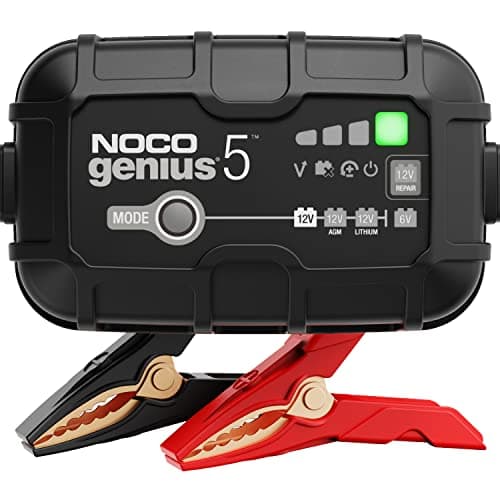
Best AGM Chargers
Best AGM Chargers
Chargers with a genuine AGM mode, what changes about the charge voltage, and how to tell which chemistry your car actually has.
Guide
Starting vs Deep Cycle
What separates a cranking battery from a deep-cycle one, what dual-purpose genuinely means, and which charger each needs.
Guide
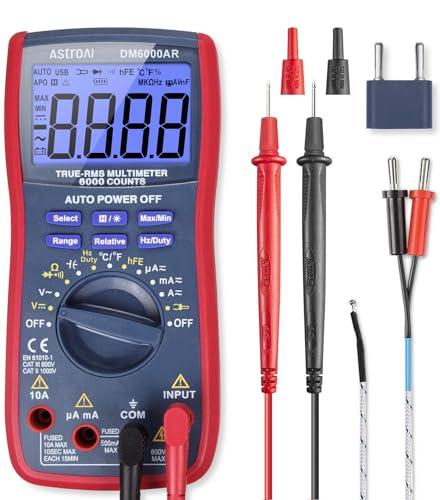
Is the Battery Bad?
The resting-voltage table, the cranking and charging checks, and how to tell a failed battery from a failing alternator or a parasitic drain.
Found something out of date, or a figure you can source better than we did? Tell us — corrections get read first. Our methodology explains how picks are made, and contact is one click away.